
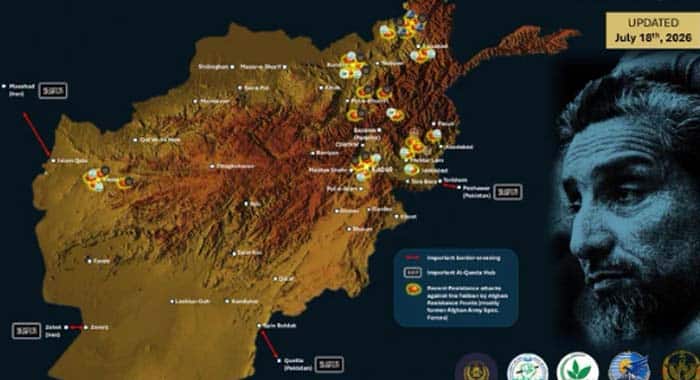
Armed resistance activities against the Taliban have shown a notable increase during June and July, with a total of 30 reported attacks carried out by former Afghan Special Forces–linked resistance groups across various parts of Afghanistan.
According to available information, the operations were conducted by multiple anti-Taliban resistance organizations, highlighting the continued presence and coordination of armed opposition movements despite the Taliban’s control of the country.
The reported attacks include:
- National Resistance Front (NRF): 11 attacks
- Afghan Freedom Front (AFF): 12 attacks
- Afghan Green Trend: 2 attacks
- Homeland Soldiers Front: 3 attacks
- National Mobilization Front: 2 attacks
Collectively, these organizations are reported to have conducted 30 resistance operations during the two-month period, targeting Taliban positions in different areas of Afghanistan.
The figures indicate that the Afghan Freedom Front accounted for the highest number of reported operations, followed closely by the National Resistance Front, while other resistance organizations also remained operational through smaller but sustained activities.
Security observers note that the continued tempo of attacks reflects the persistence of armed resistance networks, many of which include former members of Afghanistan’s security forces. These groups have largely relied on guerrilla tactics, including targeted assaults, ambushes, and hit-and-run operations, rather than attempts to hold territory.
The reported operations underscore the evolving security dynamics in Afghanistan, where multiple resistance organizations continue to challenge Taliban authority despite the movement’s nationwide control. The emergence and sustained activity of several independent groups also point to an increasingly fragmented but active resistance landscape.
While the long-term impact of these operations on Afghanistan’s overall security environment remains uncertain, the reported frequency of attacks during June and July suggests that organized armed opposition continues to remain a factor in the country’s internal security situation.
Developments surrounding these resistance activities are expected to remain closely monitored as Afghanistan’s security landscape continues to evolve.



