
Another complaint has surfaced from Khyber Pakhtunkhwa’s terror-hit tribal belt, adding to the growing heap of grievances from victims who say the provincial government remains disengaged from both the war on terror and those who paid its price.
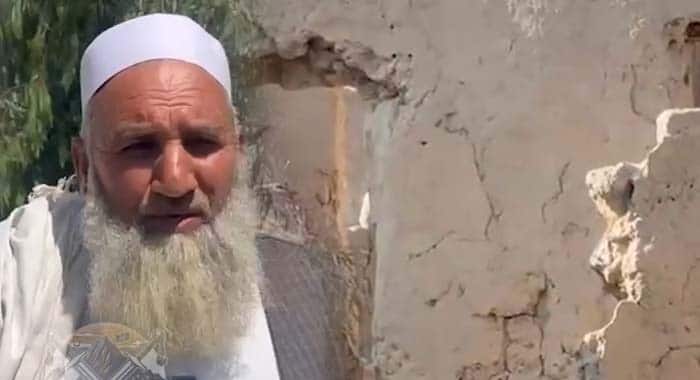
A resident of Tehsil Safi in Mohmand district has appealed to the government for compensation and rehabilitation, saying entire communities were devastated during years of terrorism and subsequent operations, yet remain abandoned.
“My name is Sherullah and I belong to the Habibzai tribe of Tehsil Safi,” the resident said in a video message.
“I am not speaking only for myself. Our entire tribe has suffered injustice.”
He said homes were demolished, shops and hujras were destroyed, and families across Habibzai, Qandhari, Masood and Gurbaz were left homeless, but no compensation has been paid.
“My own house was demolished. I had gone for four months for preaching, and when I returned, my home had been destroyed,” he said.
“Everyone suffered losses. We became homeless.”
Sherullah compared the government to parents responsible for consoling their children in times of distress and urged authorities to take care of the affected communities.
“We demand that the government look after the entire tribe,” he said.
The latest complaint adds to a growing pattern of unresolved compensation and rehabilitation issues in militancy-hit areas of Khyber Pakhtunkhwa.
Years after the war on terror devastated tribal districts, thousands of families remain without compensation or rehabilitation despite repeated promises and massive federal financial allocations.
Residents of Mohmand have repeatedly reported that homes destroyed during military operations were never rebuilt, while funds reportedly ranging between Rs600 billion and Rs700 billion allocated for anti-terrorism, rehabilitation and development remain under scrutiny.
Critics have repeatedly questioned the provincial government over the utilization of these funds and demanded transparency.
The issue has become more politically charged after the Khyber Pakhtunkhwa government rejected bulletproof vehicles provided by the federal government for KP Police, who remain on the frontline of counter-terrorism efforts.
The provincial government termed the vehicles substandard, while the federal government rejected the claim and insisted the vehicles met operational standards.
Opposition figures and civil society criticized the move, calling it politically motivated and accusing the provincial leadership of prioritizing optics over the safety of police personnel.
The latest complaint from Mohmand echoes similar cases reported across the province.
In Bannu, Umar Ayaz said his daughter was martyred in a terrorist blast and his house collapsed in the explosion, but despite reports of approved compensation, he never received any financial help.
In another case from Mohmand, Meera Khan has been seeking justice for nearly eight years after his son, Isa Khan, embraced martyrdom while serving in the Khasadar Force in an IED blast.
According to the family, Isa Khan’s salary was suspended after his martyrdom, and despite court proceedings and official assurances, the family remains without proper support.
Earlier this month, Abdul Qadeer Khogakhel, from Bajaur, also accused the provincial government of ignoring terror victims in his locality, saying residents of other tribal districts received compensation while his community remained excluded.
Similar concerns surfaced during the recent Tirah displacement crisis, where around Rs4 billion was reportedly released for affected tribesmen, yet questions persist over transparency and disbursement.
Political analysts say the growing list of complaints highlights an increasing disconnect between the provincial government’s claims of being aligned with national counter-terrorism efforts and the realities faced by victims on the ground.
Observers argue that while the province continues to battle terrorism, extremism, poverty and displacement, the political focus of the provincial leadership appears centered on broader national politics rather than governance and relief.
As more voices emerge from the rubble of Pakistan’s war on terror, pressure continues to mount on the Khyber Pakhtunkhwa government to move beyond rhetoric and address the long-standing grievances of victims still waiting for justice.



