
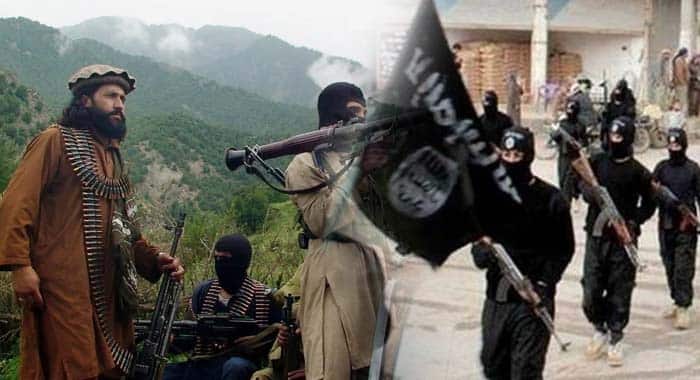
A fresh wave of infighting has erupted among terrorist factions in Khyber Pakhtunkhwa, as the banned Tehreek-e-Taliban Pakistan (TTP) terrorists and Daesh Khorasan terrorists reportedly engaged in a deadly clash in Orakzai district.
According to sources, heavy exchange of fire took place near a seminary in the Arghunjo area between Daesh Khorasan terrorists and banned TTP’s Ajl Mullah group commander, identified as Baryat. The intense gun battle spread fear and panic across the area, with residents reporting continuous firing and movement of armed terrorists in nearby localities.
Sources said casualties were reported on both sides, though the exact number of terrorists eliminated or injured could not immediately be confirmed.
The latest clash is being seen as part of a widening pattern of fragmentation and turf wars among terrorist groups operating in southern and tribal districts of Khyber Pakhtunkhwa.
Security analysts say such confrontations often stem from disputes over territory, extortion networks, recruitment and operational dominance.
The incident comes amid recent reports of internal disputes within the banned TTP and other factions, including tensions with Ittehad-ul-Mujahideen in North Waziristan, Tank and Bannu, indicating cracks within the broader terrorist ecosystem.
This is not the first violent confrontation between the TTP and Daesh Khorasan in Orakzai.
Earlier, intense clashes broke out in the mountainous areas of Upper Orakzai, particularly in the Ghaljo and Narik regions, where police sources said the TTP launched a targeted assault on Daesh Khorasan positions.
That confrontation reportedly resulted in the elimination of Daesh Khorasan’s central commander, Haji Rehman alias Haji Dada, along with four of his associates.
In another clash last week, at least 10 terrorists were reportedly eliminated, including Daesh Khorasan sub-commander Hamza, underscoring the violent rivalry between the two groups as they compete for control of strategic locations in Orakzai.
Police had confirmed intermittent firing in the Ghlajo mountains during previous confrontations, while security forces monitored the situation and assessed the operational landscape.
Authorities have urged residents to remain vigilant and avoid affected areas as investigations continue.
Security experts warn that while such infighting may weaken the operational cohesion of terrorist networks in the short term, it can also trigger retaliatory violence and destabilize adjacent districts if left unchecked.
Law enforcement agencies continue to closely monitor terrorist movements to prevent further escalation and ensure civilian safety.



