
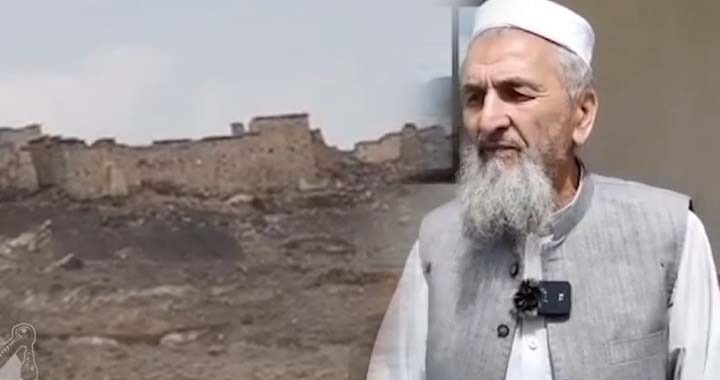
Another case highlighting unresolved compensation and rehabilitation issues in terrorism-affected areas has surfaced from Mohmand District, where victims and families continue to allege prolonged neglect despite repeated assurances.
The latest concerns come amid a pattern of complaints from across the newly merged districts, where affected communities say compensation for destroyed homes and martyred personnel remains delayed or, in some cases, entirely unpaid.
In Bajaur tehsil of Mohmand, Abdul Qadeer Khogakhel, a member of the Khogakhel tribe, has criticized the provincial government, stating that victims of terrorism in his area have yet to receive compensation for homes destroyed during years of violence. He said that while residents in other tribal districts were granted financial assistance, reportedly up to Rs400,000 per household for reconstruction, those in his locality remain excluded.
Lamenting what he described as official indifference, Khogakhel said families in his area lost homes, property, and livelihoods during the wave of terrorism that affected Mohmand and surrounding districts. “We made sacrifices for the country, yet we are still waiting for basic relief,” he said, urging authorities to ensure immediate compensation and rehabilitation.
In a separate but related case from the same district, Meera Khan, a resident of Alingar Tehsil Safi, has appealed for justice nearly eight years after his son, Isa Khan, was martyred while serving in the Khasadar Force.
Isa Khan embraced martyrdom in 2018 in an improvised explosive device (IED) blast during duty at the Alingar BHO post. He had recently married and left behind a widow and an infant child.
According to Meera Khan, the salary of his martyred son was suspended following his death, and the family has not received any financial support since. “My son laid down his life in service of the state, but instead of being honored, his service was terminated,” he said, adding that his daughter-in-law and grandchild are living in severe financial hardship.
He further said that despite pursuing legal avenues, justice remains elusive. “The court awarded Rs3 million, but the amount was taken by lawyers. My case is still pending,” he claimed. He added that families of other martyred Khasadar personnel received compensation or employment under existing policies, but his family was excluded without explanation.
Calling for restoration of employment, Meera Khan said another of his sons is willing to serve. “We have sacrificed before and are ready to do so again,” he stated.
These cases add to a growing list of grievances from terrorism-hit districts, particularly in Khyber Pakhtunkhwa, where residents allege that compensation for both human and material losses remain stalled.
Residents in Mohmand and other tribal districts have previously reported that houses destroyed during security operations were not compensated, raising broader concerns about implementation gaps in rehabilitation policies.
Critics note that the province has received substantial financial allocations, reportedly exceeding Rs700 billion, from the federal government under various heads related to the war on terror, including compensation, rehabilitation, and development. However, federal authorities and other quarters have repeatedly raised questions over the utilization of these funds, with the provincial government yet to provide a clear and satisfactory account.
Similar concerns surfaced during the recent Tirah displacement crisis, where approximately Rs4 billion was reportedly released for affected tribesmen. However, questions persist regarding the disbursement and transparency of these funds as well, with no detailed public accounting available so far.
The issue has drawn further attention in light of recent statements by provincial leadership asserting alignment with national counterterrorism efforts. Observers argue that such claims are difficult to reconcile with the continued struggles of affected families.
Political analysts also point to a widening disconnect between rhetoric and ground realities, noting that while political discourse remains dominated by broader national issues, grievances directly tied to terrorism victims often receive limited attention.
Meera Khan, however, maintains that his demand is straightforward. “I only want what is my right. Whatever law applies to other families of martyrs should apply to us as well,” he said.
As more such cases emerge, pressure continues to build on the provincial government to address long-standing complaints and ensure that those affected by terrorism receive the support and recognition promised to them.



