
Intensive diplomatic engagements involving the United States, the Islamic Republic of Iran, and multiple regional stakeholders have reportedly resulted in significant progress toward a potential peace framework, with discussions now entering the final stages of negotiation and political review.
According to statements attributed to US President Donald Trump, a comprehensive agreement has been “largely negotiated,” although he emphasized that the arrangement remains subject to finalisation. The proposed framework is understood to include multiple strategic and political components, including provisions related to maritime access through the Strait of Hormuz, a critical global energy transit route.
President Trump, speaking via his Truth Social platform, noted that discussions have involved several regional actors, including Turkey and Pakistan, alongside key Middle Eastern states such as Saudi Arabia, the United Arab Emirates, Qatar, Egypt, Jordan, and Bahrain. He further confirmed that he held separate high-level discussions with Israeli Prime Minister Benjamin Netanyahu, which he described as positive.
Reports indicate that the evolving framework envisions a phased diplomatic process aimed at de-escalation, cessation of hostilities, and the gradual establishment of broader political understandings between Washington and Tehran. Sources suggest that the Strait of Hormuz remains a central and sensitive point of negotiation, with differing interpretations emerging regarding its future operational status and governance.
Iranian state-linked media, however, has rejected the notion of any finalized agreement on the issue, stating that the Strait of Hormuz will remain under Iranian management according to the latest exchanged drafts. Iranian officials have characterized external announcements as premature and not fully aligned with ongoing negotiations.
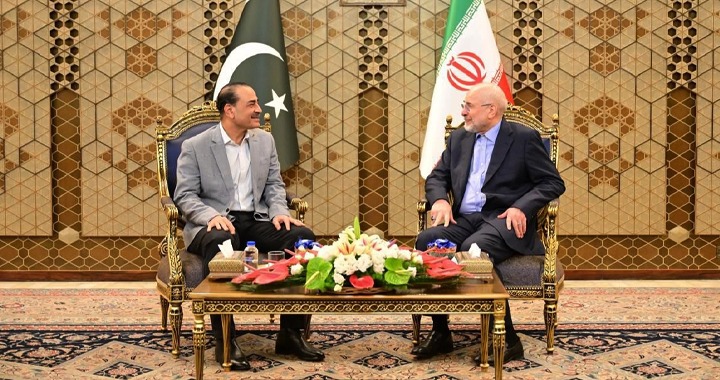
The diplomatic process has been significantly supported by third-party mediation efforts, including Pakistan’s active engagement. According to official sources, Chief of Army Staff and Chief of Defence Forces Field Marshal Syed Asim Munir recently concluded a high-level visit to Iran, where intensive discussions contributed to what officials described as “encouraging progress” toward a preliminary understanding.
The Inter-Services Public Relations (ISPR) stated that the visit took place in a constructive environment and played a meaningful role in advancing consultative efforts aimed at regional de-escalation and long-term stability. Pakistani officials, along with other regional interlocutors, are reported to have facilitated communication channels between the concerned parties.
Iranian leadership, including senior political and security figures, engaged in multiple rounds of talks during the mediation process. These discussions reportedly focused on establishing a structured 14-point framework for a broader understanding, with Iranian officials indicating that a preliminary memorandum of understanding is under consideration.
Despite signs of progress, Iranian officials have maintained a cautious stance, stressing that significant gaps remain on core issues. Tehran has reiterated that while diplomatic engagement continues, no final consensus has yet been reached on several strategic matters, particularly those related to Iran’s nuclear programme and regional security architecture.
Iran’s Foreign Ministry has also highlighted what it describes as persistent contradictions in the negotiating positions of the United States, while reaffirming its commitment to continued dialogue. Officials have suggested that, if momentum continues, a draft framework agreement could be further developed within a 30 to 60-day timeframe.
Meanwhile, senior Iranian negotiators have issued strong warnings regarding the potential consequences of renewed hostilities, asserting that Iran’s armed forces remain fully prepared to respond to any escalation. These statements come amid ongoing geopolitical tensions and concerns over the stability of the ceasefire environment established earlier in the year.
In parallel diplomatic activity, leaders from Qatar, Saudi Arabia, and other regional states have engaged in coordinated calls with both US and Iranian leadership to support de-escalation efforts and encourage a negotiated settlement. A separate conversation between the Qatari Emir and US President Donald Trump was also reported, focusing on regional stability and political resolution pathways.
Officials involved in the mediation process have described the emerging draft proposal as potentially structured in multiple phases, including an initial cessation of hostilities, followed by staged negotiations on broader strategic issues and a defined timeline for implementation.
Despite the diplomatic momentum, uncertainty remains regarding final approval from all parties involved. Key negotiators, including senior US and Iranian representatives, are reported to have reviewed draft elements, but final political endorsement is still pending at the highest levels.
In Washington, signals of possible breakthrough developments have been accompanied by heightened political activity, with senior officials indicating that further decisions may be taken in the immediate term following internal consultations.
As discussions continue, all sides have expressed cautious optimism, while simultaneously maintaining firm positions on core national interests. The outcome of the ongoing negotiations is expected to have far-reaching implications for regional stability, global energy security, and the geopolitical balance in the Middle East.



