
(Brigadier (Retd.) Mehmood Shah)
Pakistan’s security landscape has once again entered a critical phase as the country continues its efforts to eliminate militant threats through Operation Shaban. The operation has become a major focus of national security discussions after reports indicated that 126 terrorists have been killed so far. However, the real challenge extends far beyond battlefield achievements. The central questions facing Pakistan are not only about how many militants have been eliminated, but also how long this operation will continue, how militant organizations continue to survive, and who provides the financial and technical support that allows these networks to operate.
The fight against terrorism has never been a simple military challenge. Around the world, successful counterterrorism campaigns have shown that defeating armed groups requires a combination of military strength, intelligence capabilities, effective governance, financial restrictions and regional cooperation. Pakistan’s experience over the past several decades proves that militant movements cannot be dismantled overnight because they often rely on complex networks involving recruitment, funding, weapons supplies and ideological influence.
Security experts believe that Operation Shaban could continue for an extended period because the current threat is more complicated than previous insurgencies. Pakistan has faced similar challenges in the past, particularly in areas such as Balochistan, where security operations continued for years due to difficult geography, militant mobility and external factors. The lessons from those experiences show that patience, consistency and a long-term strategy are essential.
The nature of terrorism has also changed. Earlier militant groups relied mostly on traditional weapons and local support networks, but modern terrorist organizations have developed more advanced methods. They use digital communication, propaganda platforms, illegal financial channels and increasingly sophisticated tactics. This transformation means that security forces must constantly adapt to new threats.
Balochistan remains one of the most challenging areas in Pakistan’s security environment. The province’s vast territory, mountainous landscape and long borders create serious difficulties for law enforcement agencies. In many areas, large distances between settlements make surveillance and rapid response extremely challenging. These geographical realities provide opportunities for militant groups to move, hide and organize attacks.
The security situation in Balochistan demonstrates that military operations alone cannot solve the problem. A successful strategy must strengthen civilian institutions, particularly the police system. Local law enforcement agencies are often the first responders during terrorist attacks, and their ability to defend communities can significantly influence the outcome of security incidents.
In many vulnerable areas, police stations and security installations require better infrastructure, modern equipment and stronger defensive capabilities. When local security institutions are weak, militants attempt to exploit these gaps. Strengthening police forces, improving intelligence sharing and increasing cooperation between civilian and military institutions are necessary steps toward lasting peace.
The sacrifices of police personnel and security officials highlight the seriousness of the challenge. Many officers working in difficult areas have lost their lives while protecting communities from terrorist attacks. Their sacrifices demonstrate that counterterrorism is not only fought on major battlefields but also through daily efforts by local security personnel.
Another important aspect of the current security debate is the question of militant financing. Terrorist organizations cannot survive without money. Behind every armed group exists a financial structure that supports recruitment, weapons purchases, transportation, communication networks and propaganda activities.
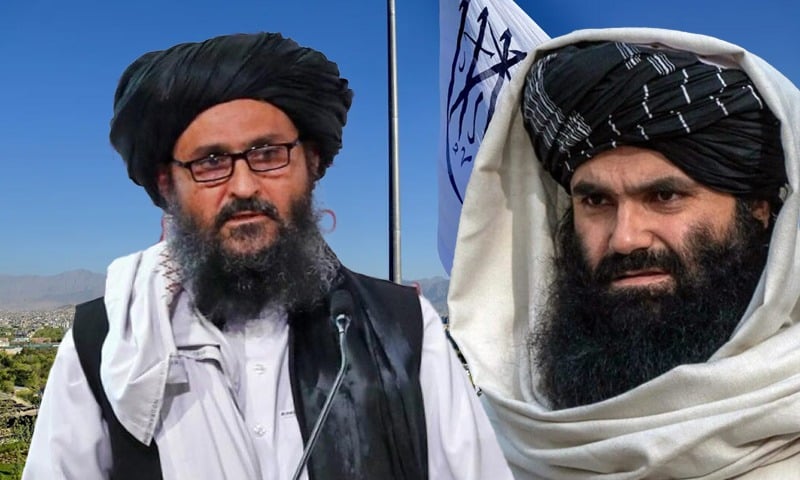
According to reports discussed by security analysts, the annual income of the Afghan Taliban is estimated at approximately $400 million from different sources. The exact nature and scale of militant financing remain subjects of international debate, but there is no doubt that money plays a central role in sustaining armed organizations.
The global experience of counterterrorism shows that cutting financial networks is one of the most effective ways to weaken militant groups. Military action may eliminate fighters, but if funding channels remain open, organizations can rebuild and replace their losses. Therefore, financial intelligence, international cooperation and strict monitoring of illegal funding sources are essential parts of any effective security strategy.
The availability of weapons is another major concern. Decades of conflict in Afghanistan have created a large weapons market, and the movement of arms across borders has contributed to instability throughout the region. Illegal weapons networks allow militant groups to maintain their capabilities and continue attacks.
The problem of weapons proliferation is not limited to one country. It is a regional challenge affecting Pakistan, Afghanistan and other neighbouring states. Preventing the movement of illegal arms requires stronger border management, intelligence coordination and cooperation between countries.
Pakistan’s security concerns are closely connected with developments in Afghanistan. The two countries share a long border, historical ties and significant economic connections. However, security tensions have increased because of concerns regarding militant groups operating near the border.
Pakistan has repeatedly stated that militant organizations should not be allowed to use Afghan territory for attacks against Pakistan. From Pakistan’s perspective, border security and action against terrorist groups are essential requirements for improving bilateral relations.
At the same time, Afghanistan’s instability has also created difficulties for its own population. Economic challenges, limited trade opportunities and political uncertainty have affected ordinary Afghans. A peaceful and stable Afghanistan would benefit not only Afghanistan itself but also Pakistan and the entire region.
Trade and regional connectivity remain important factors in Afghanistan’s future. The country’s economy depends heavily on access routes through neighbouring states. Stability, cooperation and predictable policies are necessary for economic growth and development.
However, security experts argue that Afghanistan’s future also depends on governance and leadership choices. A country cannot achieve progress without investing in education, healthcare, economic opportunities and human development.
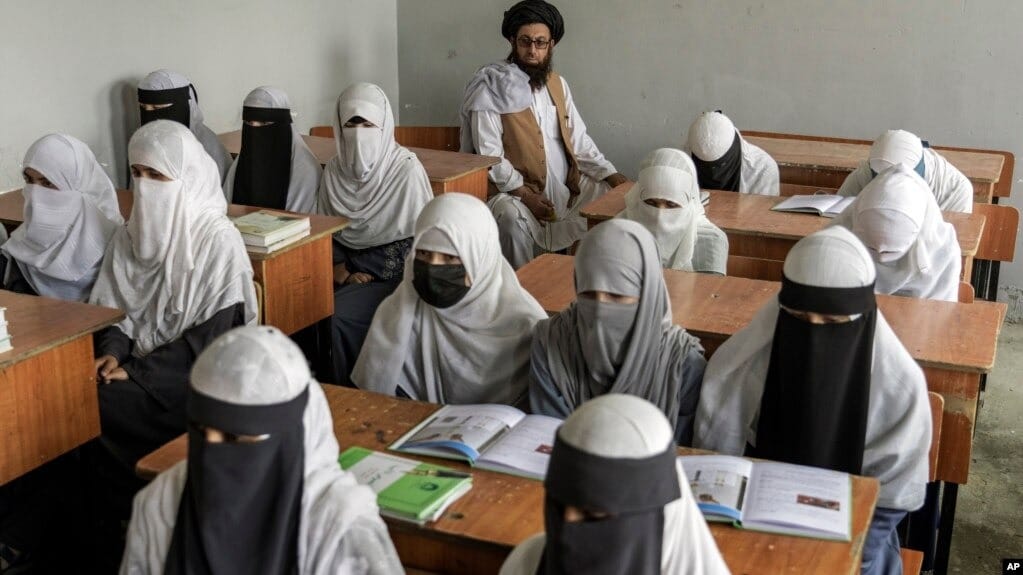
One of the most debated issues regarding Afghanistan’s future is the role of women in society. Women represent nearly half of any population, and their participation in education and professional fields is essential for national development. Healthcare systems require female doctors and nurses, schools require qualified teachers, and economies benefit from the participation of skilled workers.
Restrictions on women’s education and professional opportunities create long-term challenges for any society. Education is not only an individual right but also a foundation for economic and social progress. Countries that invest in education generally create stronger institutions and more stable economies.
The security situation in the region is also influenced by broader geopolitical competition. South Asia has long been affected by rivalries between neighbouring countries, and accusations of external involvement in militant activities remain part of political discussions.
Pakistan has repeatedly expressed concerns about foreign support for groups targeting its security interests. Other countries have presented different perspectives on these issues. These competing narratives demonstrate the complexity of regional politics.
However, beyond political disagreements, the fundamental reality remains that terrorism causes suffering for ordinary people. Civilians, security personnel and communities affected by violence pay the highest price. Regional stability requires countries to move beyond accusations and focus on preventing extremist groups from operating freely.
Operation Shaban represents an important moment in Pakistan’s continuing battle against terrorism. The success of the operation will not only be measured by the number of militants eliminated but also by whether Pakistan can prevent terrorist networks from returning.
A complete counterterrorism strategy requires a combination of force and reform. Security operations must be supported by better governance, stronger institutions, economic development and public confidence. Communities affected by terrorism need opportunities, education and economic stability so that extremist organizations cannot exploit frustration and poverty.
Pakistan has already suffered immensely because of terrorism. Thousands of civilians, soldiers and police officers have lost their lives over decades of violence. The country’s determination to fight terrorism reflects the desire of its people for peace and stability.
The road ahead will not be easy. Militancy is a challenge that evolves with time, and security policies must evolve as well. The future success of Pakistan’s efforts will depend on the ability to combine military capability with intelligence strength, diplomatic engagement and institutional improvement.
The battle against terrorism is ultimately not only a fight against armed groups. It is a fight for stability, economic development and a secure future for generations to come.
Operation Shaban may be one chapter in Pakistan’s long struggle, but the larger mission remains clear: dismantle terrorist networks, protect citizens and create conditions where peace becomes stronger than violence.