
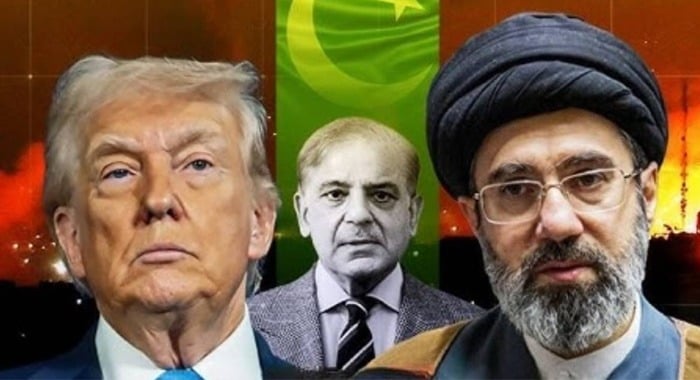
The ongoing tensions between the United States and Iran have entered a complex and prolonged deadlock, with both sides holding firm on core demands while engaging in calculated brinkmanship. Analysts note that despite sustained diplomatic efforts particularly by Pakistan the situation remains delicately balanced between confrontation and negotiation.
Pakistan’s role as a facilitator has been widely acknowledged in diplomatic circles, with its political and military leadership maintaining engagement aimed at reducing tensions and encouraging dialogue between the two principal actors.
Experts describe the current phase of the conflict as a classic case of “brinkmanship,” a strategy rooted in Cold War dynamics. The concept involves deliberate escalation and strategic signaling to pressure an adversary into concessions without crossing into full-scale conflict.
For brinkmanship to succeed, analysts emphasize, threats must be credible and accompanied by a perceived willingness to act. However, the strategy carries inherent risks, including miscalculation, unintended escalation, and the collapse of diplomatic channels.
Observers point to historical precedents where brinkmanship shaped global outcomes. During the Cuban Missile Crisis, the United States and the Soviet Union came close to nuclear conflict before resolving tensions through backchannel diplomacy. Similarly, events such as the Berlin Crisis of 1961 and the Korean War demonstrated how calculated escalation can both heighten risks and create leverage.
More recent examples, including the Russian invasion of Ukraine, highlight how brinkmanship can fail when perceived red lines are crossed, leading to outright military confrontation rather than negotiated outcomes.
In South Asia, the Kargil War is often cited as a case where escalation prompted international intervention, while more recent tensions between India and Pakistan demonstrated a comparatively calibrated approach focused on controlled signaling and restraint.
In the present standoff, Iran’s strategic leverage over the Strait of Hormuz a critical route for global energy supplies adds a significant economic dimension to the crisis. Analysts suggest that Tehran is seeking to maximize its bargaining position while avoiding escalation that could trigger broader economic consequences.
On the other hand, the United States, under President Donald Trump, faces both geopolitical and domestic political considerations. Observers note that public rhetoric and signaling have increasingly shaped the negotiating environment, sometimes constraining diplomatic flexibility.
One of the primary obstacles identified by experts is the persistent lack of trust between the two sides. Iran is expected to seek guarantees related to sanctions relief and long-term security assurances, while the United States may prioritize immediate steps such as reopening maritime routes and addressing concerns related to nuclear activities.
This sequencing dilemma who makes the first concession remains a central sticking point in negotiations.
Additionally, analysts warn that public statements and hardline rhetoric from both sides risk entrenching positions, making compromise politically difficult. Such dynamics can reduce space for behind-the-scenes diplomacy, which has historically played a crucial role in resolving high-stakes crises.
Amid the impasse, Pakistan continues to engage as a neutral intermediary, advocating for dialogue and peaceful resolution. Diplomatic observers suggest that Islamabad’s efforts could help facilitate backchannel communication, similar to mechanisms that proved effective during past international crises.
Experts caution that prolonged instability could have far-reaching consequences, not only for the Middle East but also for global energy markets and economic stability. The situation underscores the interconnected nature of modern geopolitical conflicts, where regional tensions can quickly translate into global challenges.
Analysts emphasize that the current standoff represents a critical test of leadership and statecraft on both sides. The balance between strategic pressure and diplomatic restraint will likely determine whether the situation moves toward resolution or escalation.
Historical experience suggests that while brinkmanship can intensify crises, it can also create openings for negotiation—provided there is sufficient political will to pursue compromise.
For now, the international community continues to monitor developments closely, with hopes that sustained diplomatic engagement will ultimately prevail over confrontation.



