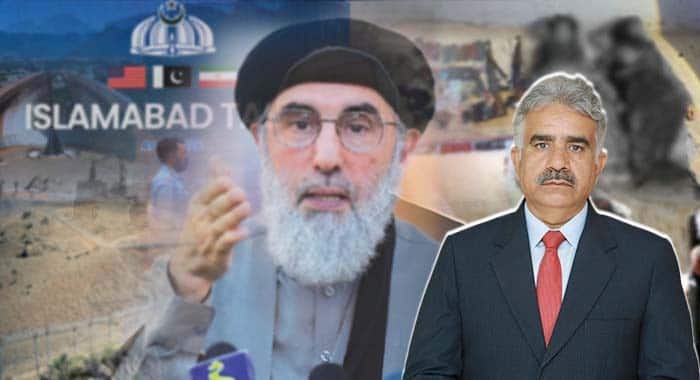
Zahir Shah Shirazi
The region we inhabit today is not merely passing through another phase of instability it is undergoing a structural transformation shaped by internal fractures, shifting alliances, and the gradual erosion of old assumptions. From Afghanistan’s deepening internal divisions to Pakistan’s recalibration of its security and economic strategies, and from grassroots resistance against militancy to high-stakes diplomacy unfolding in Islamabad, the entire landscape demands sober reflection rather than rhetorical posturing.
What we are witnessing is not a series of isolated developments, but interconnected crises that reveal a single, overarching truth: power without legitimacy, security without inclusion, and policy without foresight inevitably produce instability.
The prevailing narrative that Afghanistan has entered a phase of stability under Taliban rule is increasingly difficult to sustain. Beneath the surface lies a fragmented reality marked by competing centers of influence, ideological divergence, and a glaring absence of inclusive governance.
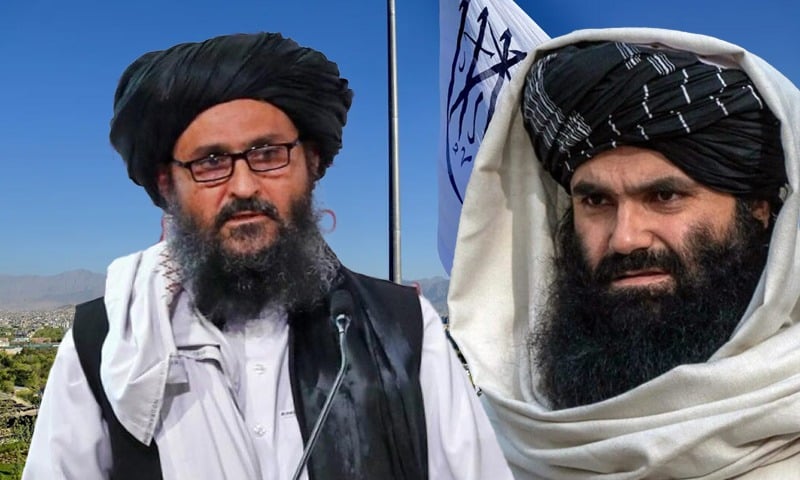
Internal differences within the Afghan Taliban are not a recent phenomenon; they have existed since the group’s return to power. What has changed, however, is their visibility and impact. The emergence of armed resistance in multiple regions, including attacks on Taliban checkpoints, reflects not just opposition but a failure of consolidation. When a regime cannot ensure uniform control over its territory, its claim to authority becomes contested.
The critical question is not whether Kabul functions as an administrative hub it does but whether the Taliban exercise meaningful writ across Afghanistan’s diverse regions. Evidence increasingly suggests otherwise. From eastern provinces to northern territories, multiple actors operate with varying degrees of autonomy. Transnational militant groups, including those with regional agendas, have established footholds, complicating the security matrix.
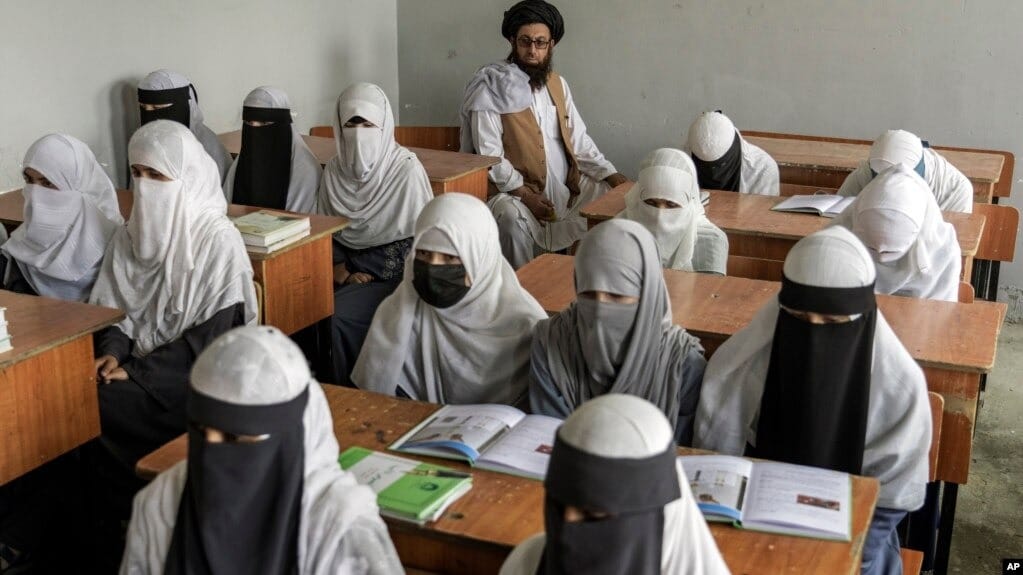
Equally significant is the political vacuum created by the absence of inclusivity. Afghanistan is a mosaic of ethnicities, sects, and political traditions. A system that excludes key stakeholders whether political leaders, ethnic representatives, or regional power brokers cannot sustain long-term stability. Voices calling for inclusive governance are not merely dissenting; they are articulating a structural necessity.
The sidelining of prominent figures and the suppression of alternative political visions reflect a deeper insecurity within the ruling framework. Arrests of individuals advocating dialogue and reconciliation further underscore a troubling trend: the prioritization of control over consensus. This approach may ensure short-term dominance, but it erodes the foundations of durable governance.
Afghanistan today hosts a complex militant ecosystem where ideological alignment often overlaps with tactical divergence. The presence of multiple groups each with its own agenda creates an environment where alliances are fluid and conflicts are inevitable.
Among the most concerning dynamics is the relationship between the Afghan Taliban and the Tehreek-e-Taliban Pakistan (TTP). While historical, ideological, and operational links exist, the relationship is far from monolithic. Internal disagreements within the Taliban regarding how to handle the TTP issue reveal competing priorities some factions favor strategic tolerance, while others recognize the destabilizing implications. This ambiguity has direct consequences for Pakistan.
The use of Afghan territory by militant groups targeting Pakistan represents a serious breach of commitments made in international agreements. Yet, enforcement remains inconsistent. Whether due to incapacity, internal division, or strategic calculation, the result is the same: a security vacuum that enables cross-border militancy. Compounding this challenge is the evolving strategy of militant groups themselves. The reported use of mosques as safe havens reflects a calculated exploitation of societal and psychological constraints. Security forces, mindful of religious sensitivities, are less likely to conduct operations in such spaces, creating operational sanctuaries.
Simultaneously, these same groups have targeted places of worship when it suits their objectives highlighting a stark contradiction between their rhetoric and actions. This dual strategy is not accidental; it is designed to manipulate public perception while maximizing operational advantage. The question, therefore, is not whether these groups claim religious legitimacy, but whether their actions align with the ethical and moral principles they invoke. Increasingly, the answer appears to be no.
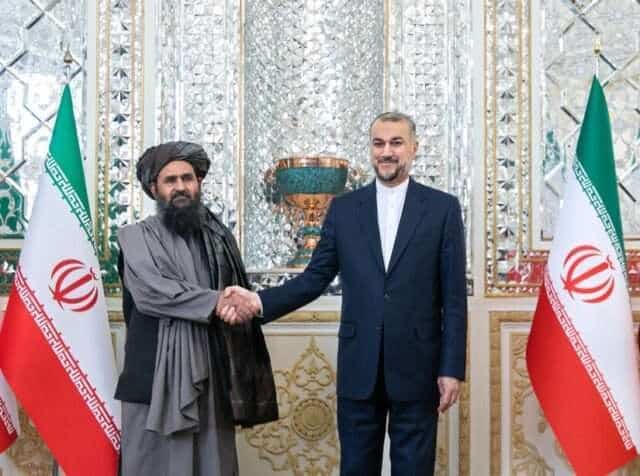
For decades, Afghanistan served as a geographic gateway for Pakistan’s access to Central Asia. That reality is now being reassessed. Pakistan’s exploration of alternative trade and transit routes marks a significant strategic shift. By developing connections through Iran and linking infrastructure projects with China’s western regions, Islamabad is reducing its reliance on Afghan territory. This recalibration is not merely economic it is geopolitical.
The implications are profound. If Afghanistan fails to stabilize and integrate into regional economic frameworks, it risks marginalization. Trade routes are not static; they evolve based on reliability, cost, and security. Countries that cannot provide these conditions are bypassed. This does not mean Afghanistan is irrelevant it remains geographically significant but its strategic value is contingent upon stability. Without it, even the most advantageous location cannot compensate for systemic insecurity.
For Pakistan, diversification offers both opportunity and challenge. While alternative routes may involve higher costs or logistical complexities, they provide strategic autonomy. More importantly, they signal a willingness to adapt a critical trait in an increasingly unpredictable regional environment. Amid these geopolitical shifts, one of the most encouraging developments has emerged from within Pakistan itself particularly in regions historically affected by militancy.
The peace march in Bannu is not an isolated event; it is part of a broader pattern of public resistance against extremism. From tribal districts to settled areas, communities have repeatedly demonstrated their rejection of violence and their willingness to stand with the state. This is a powerful message. For years, these communities bore the brunt of militancy displacement, loss, and social disruption. Their continued resilience and commitment to peace reflect not only courage but clarity. They understand the cost of instability and the value of security.
However, public support cannot be taken for granted. If the state fails to protect those who stand against militancy, it risks undermining this critical partnership. Targeted attacks on local leaders and peace committees highlight the vulnerabilities faced by these communities. Without adequate protection, their willingness to resist may erode not due to lack of conviction, but due to fear.
Security, therefore, must be accompanied by governance. A purely military approach is insufficient. Sustainable stability requires investment in education, healthcare, infrastructure, and administrative capacity. It requires a visible state presence that extends beyond checkpoints and operations. It requires a social contract where citizens feel not only protected but valued.
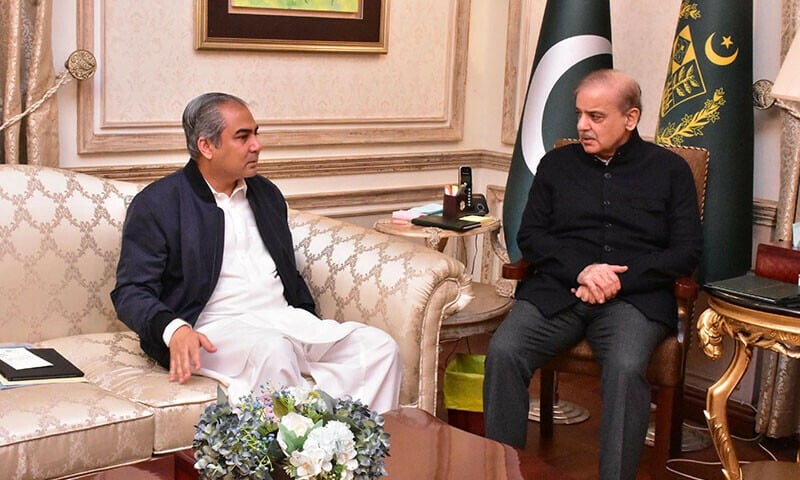
At the international level, the ongoing tensions involving Iran and the United States underscore a recurring global pattern: the persistent belief that coercion can resolve complex political disputes. History suggests otherwise. Wars may alter power dynamics, but they rarely resolve underlying issues. In many cases, they exacerbate them creating new grievances, destabilizing regions, and entrenching hostility. The current diplomatic efforts, including those linked to Islamabad, represent an opportunity to break this cycle. While significant progress has reportedly been made, key challenges remain particularly regarding nuclear enrichment and mutual trust.
Both sides face domestic and international pressures. Political posturing is inevitable, but it must not overshadow the broader objective: de-escalation and stability. For Iran, sanctions relief and economic normalization are critical. For the United States, non-proliferation and regional security remain priorities. These goals are not inherently incompatible, but they require compromise. Pakistan’s role in facilitating dialogue reflects its strategic importance and diplomatic capacity. Acting as a bridge between adversaries is not an easy task—it requires credibility, balance, and persistence. While outcomes remain uncertain, the effort itself is significant.
The interconnected developments across Afghanistan, Pakistan, and the broader region point to a shared reality: we are at a crossroads. Afghanistan must confront its internal divisions and move toward inclusive governance. Without it, stability will remain elusive, and external actors will continue to exploit internal weaknesses. Pakistan must continue its strategic recalibration while strengthening its internal cohesion. Security operations must be complemented by governance reforms and public engagement. Militant groups must be understood not as isolated threats but as part of a broader ecosystem that thrives on instability. Addressing them requires not only force but strategy. And at the international level, there must be a recognition that dialogue, however difficult, is more sustainable than conflict.
The challenges facing our region are complex, but they are not insurmountable. What is required is not just policy adjustment, but a shift in mindset. Power must be tempered with inclusion. Security must be paired with justice. Strategy must be informed by realism. Above all, there must be an acknowledgment that the people whether in Bannu, Kabul, or elsewhere are not passive observers. They are active stakeholders whose choices, resilience, and aspirations will ultimately shape the region’s future.
Ignoring them is not just unjust it is strategically unsound. The path forward is not easy, but it is clear: cooperation over confrontation, inclusion over exclusion, and dialogue over destruction. Anything less will only prolong the cycle we claim to resist.