
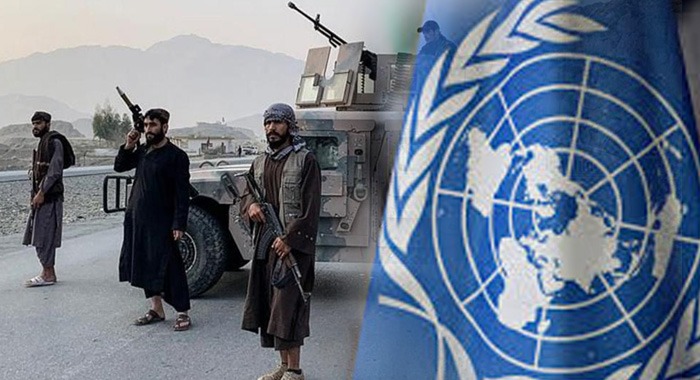
The question of Afghanistan’s representation at the United Nations remains unresolved, with continued uncertainty surrounding the country’s permanent seat and voting rights, according to diplomatic sources and media reports.
Reports by Afghan media outlet Tolo News indicate that the United Nations committee responsible for credential verification has yet to make a final decision regarding the accreditation of Afghanistan’s current representatives. As a result, the issue of formal recognition remains pending.
Afghanistan’s seat at the UN General Assembly continues to be held in abeyance, reflecting ongoing disagreements within international diplomatic channels. The situation has also resulted in the continuation of restrictions on voting rights in the General Assembly, linked in part to outstanding procedural and financial requirements.
According to reports, Afghanistan has remained without voting rights for the fourth consecutive year due to unpaid membership dues, further complicating its participation in key international decision-making processes.
International discussions reportedly continue over the appropriate framework for Afghanistan’s representation, amid differing views among member states and UN bodies. The lack of consensus has contributed to delays in formal recognition of the current governing authorities in Kabul.
Some international observers and analysts suggest that concerns raised by parts of the global community include governance practices, human rights obligations, and counterterrorism commitments. These issues, they argue, have influenced the broader diplomatic hesitation regarding Afghanistan’s formal seating arrangements.
The current authorities in Afghanistan have maintained that a range of international concerns, including governance, security, and human rights-related demands, are internal matters. However, these issues continue to be referenced in diplomatic discussions concerning Afghanistan’s international standing and engagement.
Analysts note that the prolonged uncertainty surrounding Afghanistan’s UN representation reflects deeper challenges in achieving international consensus on recognition and engagement frameworks.
Experts in international relations suggest that the continued absence of a fully recognized Afghan delegation at the United Nations underscores a complex diplomatic impasse. According to these assessments, the situation highlights broader tensions between Afghanistan’s internal political structure and external expectations from the international community.



