
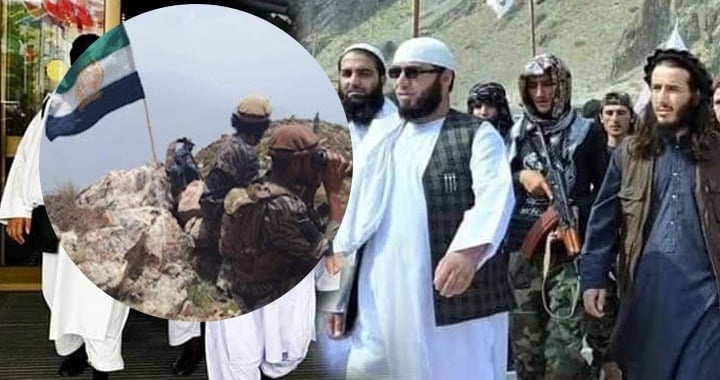
Reports emerging from local sources indicate that former Taliban Tajik commander Juma Khan Fateh has reportedly established contact with elements of the National Resistance Front (NRF) in Badakhshan, marking a potentially significant development amid increasing internal tensions and signs of fragmentation within Taliban ranks.
According to local accounts, the reported outreach by Fateh reflects growing dissatisfaction and shifting loyalties among certain Taliban figures, particularly in regions where political, ethnic, and security dynamics remain highly complex. The development comes as concerns continue to rise over weakening internal cohesion and competing power structures within the Taliban administration.
Badakhshan, a strategically important province in northeastern Afghanistan, has historically been a center of political influence and resistance movements. Recent reports suggest that tensions in the region have intensified, with increasing disagreements among local Taliban commanders and officials over governance, authority, and control.
The reported contact between Fateh and the NRF is being viewed by observers as another indication of evolving dynamics within Afghanistan’s security landscape. While details surrounding the nature and scope of the communication remain limited, the development has drawn attention due to Fateh’s previous role and influence among Taliban-aligned forces in the region.
Analysts note that internal divisions within armed and political movements can significantly affect local stability, command structures, and the balance of power. Any shift involving influential regional figures could have broader implications for Afghanistan’s already fragile security environment.
The situation remains fluid, and further developments are expected as additional information emerges from Badakhshan and other parts of Afghanistan.



