
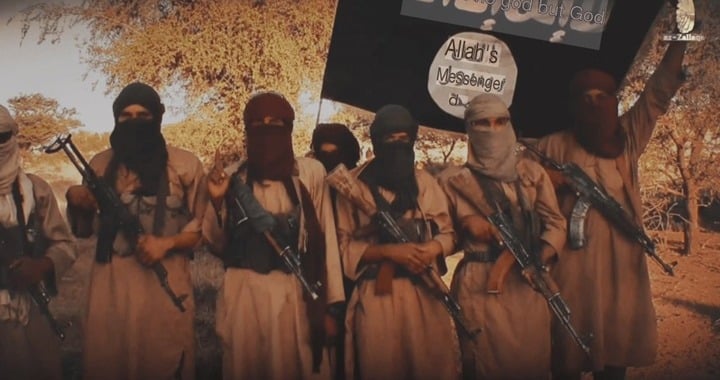
Concerns are mounting within security circles following reports that seven suspected Boko Haram and Islamic State West Africa Province (ISWAP) commanders reportedly completed an international religious pilgrimage and travelled across borders before being arrested upon arrival in Nigeria.
The development has triggered widespread debate over how individuals suspected of involvement in terrorism-related activities were allegedly able to obtain travel clearance, cross international borders, and return through established aviation and immigration systems without earlier detection.
Security analysts and observers say the issue extends beyond the arrests themselves, raising deeper questions about possible gaps within identity verification, border security, intelligence coordination, and institutional oversight mechanisms.
The central question now facing authorities is not only how the suspects were eventually apprehended, but how they were able to undertake such international travel in the first place.
From the processing of travel documents to immigration checks and airport procedures, multiple layers of security systems are designed to prevent individuals linked to terrorism from moving freely across borders. The reported incident has therefore intensified calls for a comprehensive review of the procedures that allowed the suspected commanders to travel and return.
The controversy has also drawn attention following allegations by security analyst and Convener of the Katsina Security Community Initiative, Dr. Bashir Kurfi, who claimed that some bandit leaders were sponsored by the Katsina State Government to travel to Saudi Arabia as part of peace-building efforts, with alleged travel packages valued at approximately ₦10 million each.
The Katsina State Government has strongly rejected the allegation, describing it as false, baseless, and politically motivated.
However, security stakeholders argue that allegations of this nature require transparent verification rather than immediate dismissal, particularly when they intersect with broader concerns surrounding the movement of individuals suspected of involvement in violent extremist networks.
Observers emphasize that any credible investigation must establish key facts: whether false identities or aliases were used, how travel documents were obtained, whether proper background checks were conducted, and whether any individuals within official institutions facilitated or ignored security procedures.
For years, Nigeria’s counterterrorism efforts have largely focused on armed groups operating in forests and remote areas. Security experts warn that the fight against terrorism must also address vulnerabilities within administrative systems and institutions that may unintentionally or deliberately enable the movement of dangerous actors.
Terrorist networks rely not only on weapons and fighters but also on access, corruption, weak oversight, and compromised systems. Preventing attacks requires confronting both those who carry out violence and those who create opportunities for such networks to operate.
If the reports are confirmed, analysts say the incident should prompt one of the most thorough internal security reviews in recent years, involving intelligence agencies, immigration authorities, border security officials, and relevant government institutions.
Nigeria has invested significant resources in combating Boko Haram and ISWAP, while thousands of security personnel have lost their lives and communities across the country have suffered immense destruction and displacement.
The reported ability of suspected terrorist commanders to complete an international journey before being intercepted has therefore become a critical national security concern one that demands accountability, transparency, and urgent institutional reform.



