
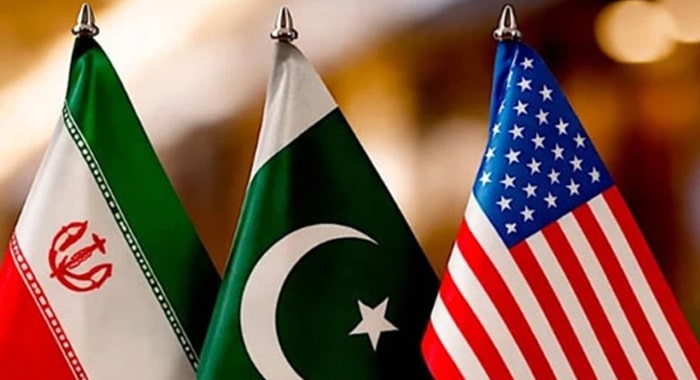
Despite the absence of formal direct negotiations between the United States and Iran, diplomatic engagement between the two sides appears to be actively progressing through indirect channels, with regional actors playing an increasingly significant role.
Diplomatic sources indicate that behind-the-scenes efforts are underway to sustain dialogue and explore pathways toward long-term de-escalation. These developments suggest that diplomacy remains a central avenue for managing tensions, even as official talks remain publicly unconfirmed.
Iran’s Foreign Minister Abbas Araghchi recently concluded a series of diplomatic engagements, including a visit to Muscat, where he reportedly spent several hours in discussions as part of ongoing regional consultations. According to Iranian media reports, Araghchi carried written messages outlining Tehran’s positions on key issues, including its nuclear red lines and its stance on the strategically significant Strait of Hormuz.
Officials clarified that this exchange did not constitute formal negotiations but was part of broader diplomatic signaling aimed at clearly communicating Iran’s policy positions during a sensitive phase of regional engagement.
Following his visit to Oman, Araghchi returned to Islamabad and subsequently traveled to Moscow, where he is expected to hold talks with senior Russian leadership, including President Vladimir Putin.
Diplomatic activity surrounding the U.S.–Iran relationship is no longer limited to bilateral channels. Multiple regional stakeholders are now actively involved in facilitating communication and ensuring their strategic interests are represented in any potential agreement.
Sources confirmed that following his engagements in Oman, Araghchi held separate consultations with his counterparts in Qatar and Saudi Arabia. Gulf states are reportedly seeking assurances that any future understanding between Washington and Tehran reflects regional security concerns.
Turkey has also emerged as an active participant in de-escalation efforts, contributing to ongoing diplomatic coordination.
Meanwhile, Pakistan continues to play a central role in facilitating communication channels, with Islamabad positioned as a key hub for diplomatic engagement. Observers note that the possibility of direct talks between the United States and Iran taking place in Islamabad cannot be entirely ruled out.
Diplomatic sources suggest that the relative lack of public visibility surrounding these efforts may be intentional. Maintaining confidentiality is seen as critical to avoiding external pressures and allowing negotiators the space needed to address complex and sensitive issues.
Analysts emphasize that excessive media scrutiny could complicate delicate discussions, reinforcing the preference among stakeholders for quiet diplomacy over public negotiation.
Recent signals from Washington, including the absence of any indication from Donald Trump regarding a resumption of hostilities or termination of the current ceasefire environment, have contributed to cautious optimism among diplomatic observers.
Sources close to the process indicate that neither side is seeking renewed confrontation. Instead, there appears to be a growing understanding that maintaining an open-ended ceasefire framework could provide the necessary time and space for diplomacy to address underlying disputes.
While challenges remain, the ongoing multi-layered diplomatic engagement suggests a sustained effort by regional and global actors to prevent escalation and work toward a more stable and predictable security environment.



