
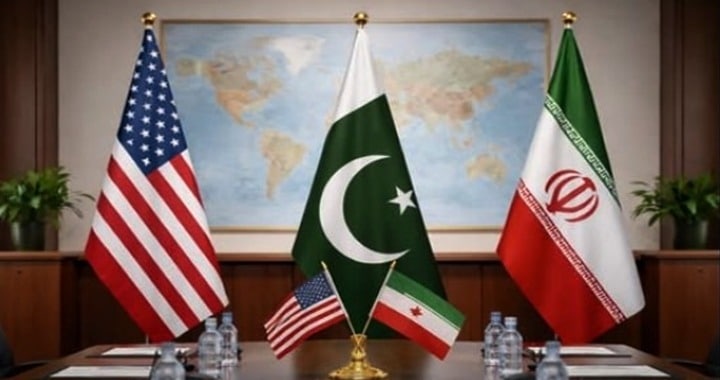
As tensions persist between the United States and Iran, diplomatic observers are increasingly highlighting the evolving role of Pakistan in efforts aimed at de-escalation and conflict resolution in a region marked by long-standing volatility.
The ongoing dispute between Washington and Tehran reflects decades of mutual distrust, competing strategic interests, and entrenched political positions. Analysts warn that any escalation could have far-reaching consequences, not only for regional security but also for the global economy, given the strategic importance of the Middle East in energy markets and international trade.
Experts note that the situation is further complicated by the presence of multiple actors with divergent agendas. In addition to regional stakeholders such as Israel, there are concerns that elements within and beyond the principal parties may seek to disrupt or influence diplomatic efforts for their own strategic objectives.
Against this backdrop, Pakistan’s diplomatic outreach has emerged as a potentially significant factor in facilitating dialogue. Officials and analysts describe Islamabad’s approach as measured and balanced, involving sustained backchannel communications, public messaging, and engagement at multiple levels.
Diplomatic sources point to a pattern of ongoing interactions including formal talks, indirect communications, and public signaling through official statements and digital platforms as part of a broader, complex negotiation process. These developments, they emphasize, should be viewed within the context of high-stakes diplomacy rather than through simplified or short-term interpretations.
Observers suggest that Pakistan’s involvement represents a notable evolution in its foreign policy posture, reflecting both strategic intent and growing confidence on the international stage. While the outcomes remain uncertain, the country’s efforts are being seen as an attempt to contribute constructively to regional stability and global diplomatic balance.
Policy analysts caution that the path to resolution remains fragile, with progress subject to sudden shifts influenced by domestic political pressures, historical grievances, and strategic recalculations by all parties involved. Nonetheless, they stress that continued engagement and restraint are essential to preventing escalation.
Pakistan’s role, while still developing, is being closely monitored by the international community as part of a broader effort to reduce tensions and explore avenues for sustainable peace. If successful, such initiatives could have implications extending beyond bilateral relations, potentially contributing to long-term stability and economic security across the region.



