
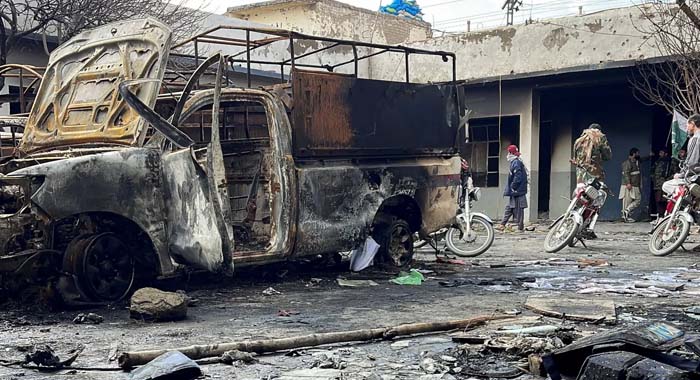
Pakistan continues to confront one of the most prolonged and complex security challenges in its modern history. For more than two decades, the country has remained on the front lines of the global fight against terrorism, making immense sacrifices in terms of human lives, economic stability, and national development.
Since joining international counterterrorism efforts following the events of September 11, 2001, Pakistan has suffered thousands of casualties, including civilians, political leaders, law enforcement personnel, and members of the Armed Forces. Suicide bombings, improvised explosive device (IED) attacks, targeted killings, and assaults on public institutions have inflicted significant human and economic costs, while undermining peace and stability across the country.
Over the years, terrorist attacks have targeted major cities and strategic locations from Karachi to Khyber, including government buildings, military installations, airports, educational institutions, marketplaces, places of worship, and other public facilities. These attacks have sought to create fear, disrupt national life, and impede Pakistan’s socio-economic progress.
Balochistan remains one of the provinces most affected by this persistent threat. Security forces, law enforcement agencies, and other state institutions continue to conduct coordinated operations to prevent terrorist attacks, dismantle extremist networks, and safeguard the lives and property of citizens. Their continued professionalism and sacrifice remain central to Pakistan’s national counterterrorism efforts.
The Government of Pakistan has repeatedly maintained that terrorism directed against the country is supported by hostile external actors working in collaboration with local proxy groups. Pakistani officials have alleged that India provides financial, logistical, and military assistance to certain anti-state organizations, while Afghan territory has been used by these groups for cross-border movement, training, and operational planning. These allegations have been raised by Pakistan at both diplomatic and security forums and remain a significant component of the country’s national security concerns.
Prime Minister Muhammad Shehbaz Sharif, while addressing the Provincial Apex Committee meeting in Quetta, reaffirmed that Pakistan’s political and military leadership stands united in confronting terrorism. He emphasized that all institutions of the state remain fully committed to dismantling terrorist networks seeking to destabilize Balochistan and undermine Pakistan’s sovereignty.
The Prime Minister further stated that external sponsorship of terrorism remains a serious concern, alleging that India’s support through financing and weapons, coupled with the exploitation of Afghan territory by terrorist elements, continues to pose a threat to Pakistan’s national security. He reiterated the Government’s resolve to eliminate terrorism through coordinated national efforts and enhanced security measures.
Senior military leadership has also reaffirmed Pakistan’s determination to confront evolving security challenges. According to official statements, hostile actors increasingly rely on proxy organizations to wage asymmetric warfare aimed at destabilizing Pakistan, disrupting economic development, and undermining public confidence in state institutions. Pakistan’s Armed Forces have reiterated that such attempts will be met with a firm and decisive response.
Recent security incidents in Balochistan illustrate the seriousness of the threat. During a series of terrorist attacks over several days, dozens of security personnel and civilians lost their lives. In subsequent counterterrorism operations, security forces reported the neutralization of numerous militants affiliated with extremist organizations. According to official briefings by the military’s media wing, these operations form part of a broader strategy to dismantle terrorist infrastructure and deny extremist groups the ability to operate within Pakistan.
Despite ongoing security operations, Pakistan recognizes that sustainable peace cannot be achieved through military measures alone. Lasting stability requires a comprehensive approach that combines effective law enforcement with inclusive governance, economic development, constitutional protections, and meaningful political engagement.
Balochistan possesses immense strategic and economic significance. Rich in natural and mineral resources and home to the strategically important Gwadar Port, the province occupies a central position in Pakistan’s long-term development strategy. Major infrastructure initiatives, including projects under the China-Pakistan Economic Corridor (CPEC), have the potential to transform the province into a regional hub for trade, connectivity, and investment, generating employment opportunities and improving the quality of life for local communities.
However, continued violence threatens to undermine these opportunities by discouraging investment, delaying infrastructure development, and creating an environment of uncertainty. Terrorist attacks not only target security institutions but also seek to obstruct the economic progress and prosperity of the people of Balochistan.
The Government remains committed to addressing the legitimate concerns and aspirations of the people of Balochistan through constitutional and democratic means. Constructive dialogue with elected representatives, local leadership, and community stakeholders remains essential for ensuring political inclusion, strengthening public trust, and advancing socio-economic development throughout the province.
Addressing long-standing developmental challenges, improving governance, expanding access to education, healthcare, employment, and infrastructure, and ensuring equitable distribution of resources are vital components of a durable peace strategy. These efforts complement ongoing security operations by addressing conditions that can be exploited by extremist organizations.
Pakistan’s fight against terrorism is not solely a security campaign it is a national commitment to protecting its citizens, preserving its sovereignty, and securing a peaceful future for generations to come. The country’s political leadership, Armed Forces, law enforcement agencies, and the people of Pakistan remain united in their determination to defeat terrorism in all its manifestations.
The Government reiterates that peace, stability, constitutional governance, and socio-economic development remain the most effective and sustainable response to terrorism. Through national unity, institutional coordination, and continued public support, Pakistan will continue its efforts to eliminate extremist violence while promoting a secure, prosperous, and inclusive future for all its citizens, particularly the people of Balochistan.



