
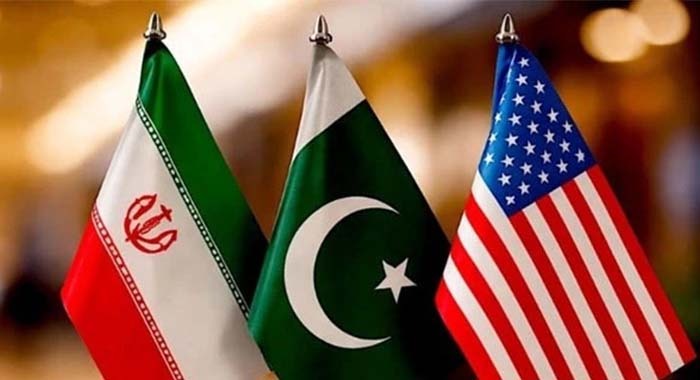
Escalating tensions between Iran and the United States are drawing renewed international concern, as political rhetoric, military signaling, and economic pressures converge to create a volatile global environment. Analysts warn that the evolving situation extends far beyond a bilateral dispute, posing serious implications for global security, energy markets, and economic stability.
For decades, relations between Tehran and Washington have been characterized by deep mistrust and recurring confrontation. In the post–Cold War era, this rivalry has intensified within the broader geopolitical landscape of the Middle East, where competing strategic interests continue to clash. Iran’s nuclear program, its regional influence, and U.S. defense and economic priorities in the region have collectively shaped a complex and fragile standoff.
Recent developments indicate a sharp escalation in tensions. Statements and actions from both sides have heightened global attention, with Iran signaling increased defensive preparedness, while the United States has conducted military exercises and maintained economic sanctions. Observers note that even limited incidents under such conditions carry the potential to trigger wider instability.
Particular focus has centered on statements made by Donald Trump, whose recent rhetoric has been described by analysts as unusually forceful and emotionally charged. Over the past two weeks, a series of warnings and ultimatums attributed to the U.S. President have significantly intensified the situation.
According to available information, a sequence of deadlines and threats was issued beginning in late March, including calls for Iran to comply with specific demands related to strategic waterways and regional conduct. These ultimatums were repeatedly extended, accompanied by warnings of potential military consequences, including strikes on critical infrastructure. On April 7, a particularly stark warning suggested the possibility of rapid and large-scale destruction, drawing widespread global attention.
Experts suggest that this escalation reflects broader strategic frustrations. Two key U.S. objectives curbing Iran’s military and economic capabilities and expanding American influence in the region—are widely seen as only partially achieved. This perceived shortfall, analysts argue, may be contributing to the increasingly assertive tone of official statements.
The potential consequences of military confrontation remain severe. While the United States possesses significant military capabilities, historical precedent indicates that such interventions often yield unpredictable and long-term destabilizing effects. In the event of conflict, Iran is expected to face substantial human, economic, and infrastructure losses, given its existing economic vulnerabilities under international sanctions.
At the same time, regional actors including Arab states and Israel would also face heightened risks. The interconnected nature of Middle Eastern geopolitics means that even a localized conflict could rapidly escalate into a broader regional crisis, affecting global oil supplies, triggering refugee flows, and disrupting international relations.
Energy markets remain particularly exposed. The Middle East’s central role in global oil supply means that any disruption especially involving strategic routes such as the Strait of Hormuz could send prices sharply higher, with cascading effects on economies worldwide.
Amid these tensions, Pakistan has emerged as an active diplomatic actor advocating de-escalation. Pakistani leadership has pursued a balanced and pragmatic approach, engaging with regional and global stakeholders to reduce tensions and encourage dialogue.
In a significant development, diplomatic efforts led by Shehbaz Sharif and Asim Munir reportedly contributed to a temporary easing of tensions. Following these efforts, President Trump announced a two-week postponement of potential military action against Iran, alongside a provisional ceasefire arrangement.
Additionally, Pakistan urged Iran to maintain open access to the Strait of Hormuz during this period to facilitate diplomatic progress and ensure stability in global energy flows. Iran is understood to have responded positively to these confidence-building measures.
Policy experts emphasize that this window of de-escalation presents a critical opportunity for renewed diplomatic engagement. They recommend several key steps to prevent further escalation:
- Initiating direct and sustained dialogue among Iran, the United States, regional Arab countries, and Israel to reduce misunderstandings and avoid military confrontation.
- Strengthening the role of international institutions such as the United Nations in conflict prevention, humanitarian oversight, and peacebuilding efforts.
- Expanding Pakistan’s diplomatic engagement as a neutral and credible intermediary to facilitate negotiations.
- Promoting regional economic cooperation and energy initiatives to create shared incentives for stability and peace.
Analysts caution that the risk of a broader global conflict, while not inevitable, is increasingly plausible if tensions continue to rise unchecked. A large-scale war in the region could have devastating consequences for global political order, economic systems, and human security.
“The current situation demands restraint, strategic patience, and meaningful diplomacy,” a regional affairs expert noted. “Military solutions alone cannot ensure lasting peace.”
As the international community closely monitors developments, Pakistan’s diplomatic role is being viewed as a constructive example of engagement aimed at preventing escalation. Observers stress that coordinated global efforts will be essential to steer the toward a peaceful resolution and safeguard international stability.



