
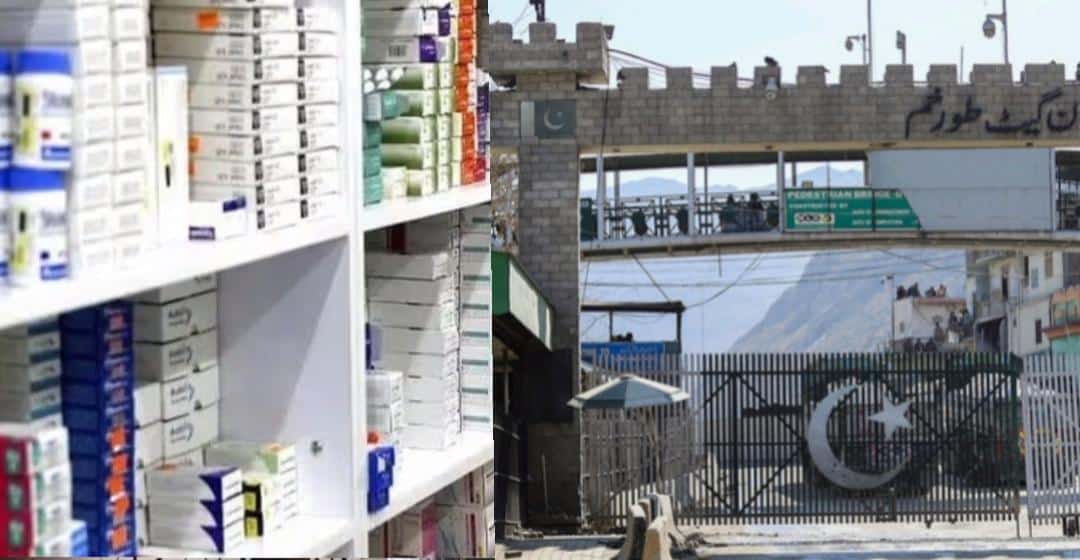
Patients, pharmacists and health workers in Kandahar report a sharp deterioration in the availability and affordability of medicines following border closures and restrictions on pharmaceutical imports from Pakistan. The disruption has triggered widespread shortages, forcing prices to surge while essential drugs for many common illnesses have become difficult to obtain.
Residents say the situation in Kandahar worsened significantly after the suspension of trade and transit routes, particularly following the halt in medicine imports from Pakistan. What was once a relatively stable supply chain has now fractured, leaving pharmacies struggling to meet demand and patients facing empty shelves.
People familiar with the market describe a steep rise in prices alongside a noticeable decline in quality. Medicines that were previously accessible to ordinary families are now out of reach for many, deepening the pressure on households already affected by economic hardship.
Pharmacists in Kandahar city say import volumes have dropped sharply, pushing some traders toward unofficial and risky supply channels. In the absence of regulated trade routes, parts of the pharmaceutical market are increasingly dependent on smuggled products.
One local pharmacist, speaking anonymously, said that Pakistan had been the main source of regular medicine supply, but the closure of routes and increased costs have severely disrupted imports. He noted that many essential medicines are either unavailable or being sold at several times their previous price.
He added that shortages now cover a wide range of commonly used drugs, including treatments for colds, fever, infections, diabetes, hypertension, asthma, heart conditions, and pediatric illnesses. Medicines such as insulin, Panadol, Brufen, Augmentin, amoxicillin, IV fluids, inhalers, and children’s antibiotic syrups have become increasingly scarce and expensive.
Some pharmacists estimate that medicines previously sold for 100 to 150 Afghanis are now being sold for 300 to 400 Afghanis, placing basic treatment beyond the reach of many families.
Residents describe the impact as severe and immediate. Aziz Ahmad, a Kandahar resident, says rising costs have made it extremely difficult for ordinary people to afford treatment at a time when financial conditions are already strained.
Rahmatullah, a diabetic patient, explains that insulin and other essential medicines are now both expensive and difficult to find. He says he is often forced to prioritize only the most critical drugs because he cannot afford the full course of prescribed treatment.
Families also report growing difficulties in accessing medicines for children, with many saying that while wealthier households can still manage treatment, poorer families are left without options.
Health sources and traders say that since the suspension of formal trade routes, large quantities of Pakistani medicines have entered Afghanistan through unofficial channels. Some of these products reach markets, while others are intercepted and destroyed by authorities.
Health professionals warn that smuggled medicines often pose serious risks due to poor storage conditions, uncertain quality, and proximity to expiry dates, raising concerns about patient safety.
Doctors in Kandahar say the broader healthcare system was already under strain due to unemployment, economic decline, and reduced household incomes, but the medicine crisis has further deepened the pressure on patients and hospitals.
A local physician, Munir Ahmad, notes that many patients are unable to complete prescribed treatments simply because they cannot afford or access the required medicines. He says those with chronic illnesses such as diabetes, heart disease, hypertension, and asthma are among the worst affected.
Critics and health workers argue that the authorities have so far failed to introduce effective measures to control prices or stabilize supply chains. They say policy responses have not matched the scale of the crisis faced by ordinary citizens.
In response to the shortages, the authorities have reportedly initiated contacts with India, Iran, and Uzbekistan to explore alternative import routes. Health and trade officials have also traveled to these countries in an effort to secure pharmaceutical supplies.
However, health analysts caution that Afghanistan remains heavily dependent on imported medicines, and continued disruption in regional trade risks pushing the healthcare system into an even deeper crisis. They emphasize the need for structured import facilitation, strict price regulation, prevention of smuggled and substandard drugs, and support for domestic pharmaceutical production.
At a broader level, the situation has also reignited concerns about governance and accountability. Critics question how sustainable any system can be when decisions affecting basic human survival are made without meaningful public oversight or responsibility. They warn that when access to life-saving medicines becomes uncertain, public frustration inevitably grows, and history has shown that populations eventually resist systems they perceive as indifferent to their suffering.



