
Western security experts are increasingly warning that elements of Al Qaeda’s senior leadership may be seeking to consolidate their presence across Iran and Afghanistan, amid indications that senior figures are relocating from parts of Syria, Iraq and Africa toward environments where they may be able to operate with greater security and rebuild the organisation’s wider network.
The reported movement of senior Al Qaeda figures comes against the backdrop of continuing instability across several conflict-affected regions and the group’s persistent use of digital platforms to disseminate propaganda, preserve ideological cohesion, communicate with supporters, and encourage recruitment and mobilisation.
Security analysts believe that the convergence of these developments could create renewed opportunities for Al Qaeda to strengthen its organisational infrastructure and reinforce coordination among its regional affiliates.
Afghanistan remains a particular concern for international counterterrorism officials because of its historical role as a sanctuary for Al Qaeda’s leadership and its geographic position at the intersection of South and Central Asia.
According to Western security assessments, elements of Al Qaeda’s senior leadership may be moving toward Afghanistan from other operational theatres, potentially seeking to establish a more secure environment from which the organisation could coordinate activities, maintain communications with regional affiliates and support the regeneration of its broader network.
The possibility of senior Al Qaeda figures operating from Afghan territory would represent a significant counterterrorism concern. A sustained sanctuary could provide the organisation with opportunities to rebuild leadership structures, develop relationships with militant networks, and strengthen its ideological and operational reach beyond Afghanistan.
Iran is also reported to remain an important operating environment for some senior Al Qaeda figures. Among those frequently identified in Western assessments is Saif al-Adl, who is believed by U.S. and other Western officials to have remained in Iran while continuing to exercise influence over elements of the organisation.
The precise circumstances surrounding the presence, movements and activities of senior Al Qaeda figures remain difficult to independently verify. Nevertheless, continued reports of senior-level activity in Iran and movement between Iran, Afghanistan and other regional theatres warrant sustained international attention.
At the same time, Al Qaeda-affiliated organisations and networks continue to operate in several parts of Africa, exploiting political instability, weak governance, communal tensions and persistent armed conflicts. The group’s established presence across portions of the Sahel and other African theatres provides Al Qaeda with an existing network through which its ideology and propaganda can continue to circulate.
Security analysts are particularly concerned that the consolidation of senior leadership could improve coordination between Al Qaeda’s central leadership and regional branches, potentially allowing the organisation to exchange operational experience, propaganda material, personnel and strategic guidance.
Africa therefore remains a critical component of the group’s broader resilience. Rather than depending exclusively on a centrally directed global organisation, Al Qaeda has increasingly relied on affiliated groups and decentralised networks capable of operating within local conflicts while maintaining ideological and strategic links to the wider movement.
Alongside developments on the ground, Al Qaeda continues to exploit the digital environment. The organisation and its supporters have demonstrated an enduring ability to use social media, encrypted communications and other online platforms to distribute propaganda, reinforce ideological narratives and maintain contact with sympathisers.
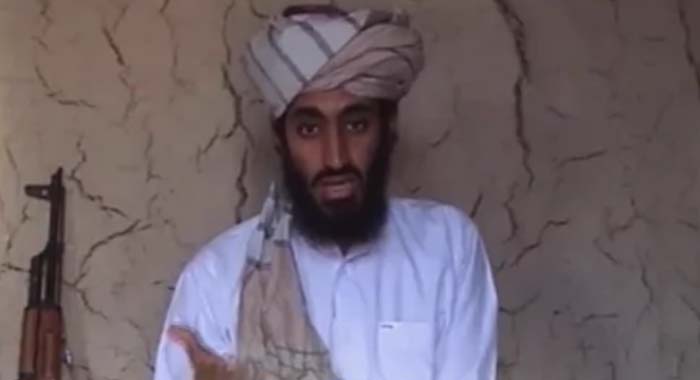
The release of an hour-long propaganda video reportedly associated with Al Qaeda and marking the 25th anniversary of the September 11 attacks illustrates the continuing importance the organisation places on historical symbolism and ideological messaging.
Such propaganda is not merely commemorative. Terrorist organisations routinely use major anniversaries and historical events to revive narratives of legitimacy, portray organisational continuity, inspire supporters and attract new audiences.
The continuing circulation of Al Qaeda material across online networks demonstrates that, despite years of counterterrorism pressure, the organisation retains an ideological ecosystem capable of adapting to changes in technology and platform policies.
This presents a challenge extending well beyond the physical presence of individual leaders. Even where senior figures are constrained geographically, digital networks can allow propaganda and ideological messaging to reach audiences across continents. The possible re-emergence of Afghanistan as a more permissive environment for Al Qaeda leadership also raises concerns regarding South Asia.
A renewed concentration of senior figures in Afghanistan could provide the organisation with a geographic base from which to strengthen relationships with existing militant networks and explore opportunities for influence in neighbouring countries. The region’s complex security environment, porous borders, longstanding militant networks and political instability in certain areas could potentially create opportunities for Al Qaeda and aligned actors to rebuild influence.
However, security experts caution that the presence of senior leadership alone should not automatically be interpreted as evidence of an imminent large-scale international terrorist campaign. The organisation faces substantial constraints, including sustained international surveillance, counterterrorism operations, competition from other extremist movements and the difficulties associated with maintaining secure communications and operational networks.
The principal concern is therefore the gradual reconstruction of organisational capacity rather than any single immediate attack threat.
The reported movement of senior Al Qaeda figures between Iran, Afghanistan, Africa and parts of the Arab world may indicate an effort to strengthen the organisation’s leadership structure and improve coordination between its regional branches. If confirmed, such movements would be significant because effective leadership coordination can enable a decentralised terrorist organisation to preserve strategic coherence while allowing affiliates to maintain considerable operational autonomy.
A more connected leadership structure could potentially assist Al Qaeda in:
-
Maintaining ideological cohesion across geographically dispersed affiliates;
-
Providing strategic guidance to regional branches;
-
Coordinating propaganda and messaging;
-
Facilitating the movement of experienced personnel and expertise;
-
Identifying new areas of instability in which affiliates could expand;
-
Preserving relationships with sympathetic networks and facilitators; and
-
Rebuilding the organisational infrastructure required for long-term resilience.
These developments would not necessarily indicate that Al Qaeda has returned to the organisational position it occupied before the September 11, 2001 attacks. Rather, they could represent an attempt to gradually reconstruct a durable transnational movement capable of surviving sustained international counterterrorism pressure.
The emerging picture underscores the importance of distinguishing between Al Qaeda’s current capabilities and its long-term ambitions. The organisation has suffered significant leadership losses and operational disruption over the past two decades. Yet its survival demonstrates the resilience of its underlying ideology, affiliated networks and decentralised organisational model.
The greatest strategic risk may therefore lie not in an immediate restoration of Al Qaeda’s former capabilities, but in the gradual accumulation of the conditions required for a future resurgence. Safe operating environments, experienced leadership, established regional affiliates, digital propaganda networks and access to populations affected by conflict can collectively provide the foundations for such a resurgence.
If senior leadership is able to operate with greater freedom in Afghanistan or elsewhere while maintaining connections to networks in Iran, Africa and the Arab world, the organisation could potentially use these conditions to rebuild its international infrastructure over time.
The reported developments reinforce the need for sustained international cooperation against transnational terrorism. Counterterrorism agencies, intelligence services and international organisations will need to continue monitoring the movement of senior extremist figures, financial and logistical networks, online propaganda ecosystems and relationships between central leadership and regional affiliates.
Particular attention should be given to the interaction between developments in Afghanistan and the organisation’s established presence in Africa. The emergence of new or strengthened connections between these theatres could have implications extending well beyond the regions in which the groups are currently active.
At the same time, counterterrorism policy should remain grounded in independently verifiable intelligence and careful assessment. Claims concerning the whereabouts and activities of senior terrorist leaders can be difficult to confirm, and premature conclusions can obscure rather than clarify the actual threat environment.
The reported regrouping of Al Qaeda-linked senior figures across Iran, Afghanistan and other regions represents a development that merits close international scrutiny. The combination of potential safe havens, experienced leadership, established networks in Africa, persistent online propaganda and possible renewed attention to South Asia could provide the organisation with an opportunity to rebuild elements of its global operational and ideological infrastructure.
The threat posed by Al Qaeda should therefore be assessed not solely through the lens of individual attacks, but also through the organisation’s ability to reconstitute leadership, preserve ideology, cultivate affiliates and exploit instability over the long term.
Whether the current movement of senior figures ultimately develops into a significant organisational resurgence will depend on a range of factors, including the security environment in Afghanistan, the policies of regional governments, the resilience of Al Qaeda’s affiliates and the effectiveness of international counterterrorism efforts.
What is increasingly clear, however, is that the organisation remains capable of adapting to pressure and exploiting geopolitical disorder. Continued vigilance, intelligence cooperation, disruption of terrorist financing and sustained efforts to counter extremist propaganda will remain essential to preventing Al Qaeda from converting emerging safe havens and regional networks into a renewed global threat.



