
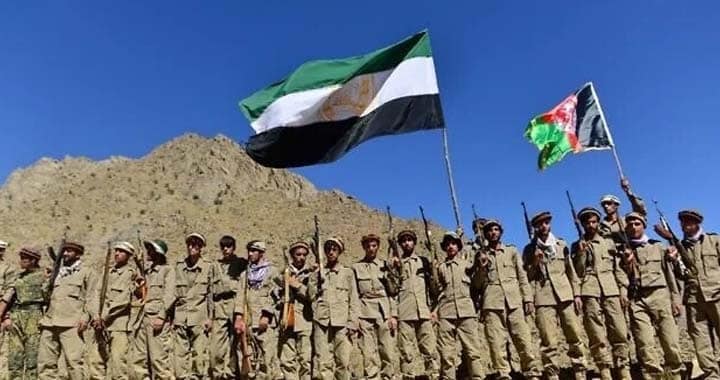
Armed opposition to the Taliban regime is reportedly gaining momentum across Afghanistan, with resistance groups expanding their activities across multiple provinces and increasingly challenging the regime’s security apparatus.
Between 25 and 30 October, resistance groups, including the Afghanistan United Front (AUF), Afghanistan Freedom Front (AFF), National Islamic Front (NIF) and Afghanistan Resistance Front (ARF), claimed responsibility for 19 attacks across 12 provinces, reportedly killing 22 Taliban personnel and injuring another 16.
The reported developments indicate that opposition to Taliban rule remains active across a widening geographical area, challenging the regime’s assertions of nationwide stability and control.
The Afghanistan United Front reported six attacks on 25 October across Ghor, Zabul, Ghazni, Kandahar and Badakhshan, claiming that eight Taliban personnel were killed and seven injured. Further reported operations in Parwan, Kapisa and Zabul targeted Taliban security and intelligence personnel. Among the reported casualties was a Taliban intelligence operative in Zabul.
The group also claimed responsibility for an operation in Tagab district of Kapisa province in which Taliban commander Mullah Samar Gul was reportedly killed. Between 29 and 30 October, AUF reported three additional attacks in Spin Boldak, Arghistan and Gardez, claiming three Taliban personnel were killed and a Ranger vehicle destroyed.
The Afghanistan Freedom Front reported attacks against Taliban personnel in Kabul and Kunar, claiming three fatalities and four injuries. In Kabul, the group claimed responsibility for an attack on a vehicle carrying Taliban personnel in Qara Bagh district, while another reported operation targeted a Taliban checkpoint in Asadabad, Kunar.
Meanwhile, the National Islamic Front reported operations in Kabul and Samangan, claiming that three Taliban personnel were killed in Kabul, including in Paghman district. The group also reported an attack involving a Taliban Ranger vehicle in Samangan, claiming one fatality and three serious injuries. The Afghanistan Resistance Front also claimed responsibility for killing a Taliban intelligence officer in Ghazni.
Separately, Afghan Green Trend reported obtaining Taliban intelligence documents indicating that approximately 400 individuals in Laghman province had taken up arms against the Taliban regime. On 28 October, the group also claimed responsibility for an attack on a Taliban logistics vehicle in Kahmard district of Bamyan province, reporting that the vehicle was set ablaze. The group has previously made claims concerning senior officials within the Taliban intelligence directorate.
The latest reported operations follow another series of attacks claimed by resistance groups between 18 and 22 October, when ten attacks were reported across seven provinces. The increase in reported incidents and their geographical distribution point to continued armed opposition to Taliban rule, with multiple resistance organisations claiming operations against the regime’s security personnel, intelligence networks and logistical infrastructure.
The reported activities across 12 provinces highlight the continuing security challenges confronting the Taliban administration, despite its claims of consolidated control over Afghanistan. The emergence of multiple resistance groups and their reported operations across geographically dispersed areas demonstrate that opposition to Taliban rule has not disappeared.
The widening geographical footprint of reported resistance operations presents a continuing challenge to the Taliban regime’s claims of stability and raises serious questions about its ability to establish lasting security and political acceptance across Afghanistan.



