
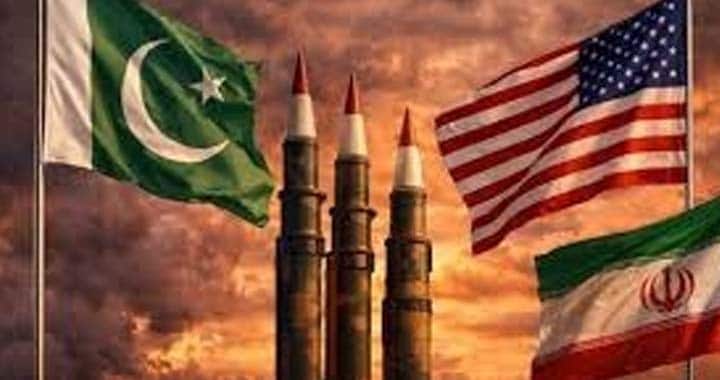
A major diplomatic development has been reported by international media, with indications that the United States and Iran are nearing a significant preliminary agreement that could reshape regional dynamics, according to reporting by the Axios.
The report suggests that the emerging draft framework includes a proposed 60-day extension of an existing ceasefire arrangement, alongside broader economic and security-related provisions aimed at reducing tensions between the two countries.
According to Axios, Pakistan has played a central mediating role in facilitating indirect communication between Washington and Tehran, with its diplomatic efforts reportedly led by Pakistan’s Chief of Army Staff, Field Marshal Asim Munir.
The report claims that Field Marshal Asim Munir’s recent visit to Iran over the weekend formed part of a series of high-level engagements aimed at advancing dialogue and bridging communication gaps between the two sides.
As outlined in the Axios report, the proposed agreement reportedly includes several significant components:
- A 60-day extension of ceasefire arrangements between relevant parties
- Opening of the Strait of Hormuz without toll or transit restrictions during the ceasefire period
- Authorization for Iran to resume and expand oil exports under defined conditions
- Expected easing of certain U.S. sanctions, including the lifting of restrictions on Iranian ports
- Oral assurances from Iran regarding limitations on uranium enrichment activities
- A commitment that Iran will not pursue the development or acquisition of nuclear weapons
The report further notes that Iran has sought the release of frozen financial assets and a broader, permanent lifting of sanctions, while U.S. officials are said to have maintained that full relief would depend on verifiable concessions and implementation.
The draft framework, as reported, also reportedly references wider regional security considerations, including efforts to de-escalate tensions related to ongoing conflicts in the Middle East. One such element includes references to potential measures aimed at ending hostilities between Israel and Hezbollah in Lebanon.
Additionally, Axios reports that the U.S. President has engaged with several Arab and Muslim leaders regarding the proposed arrangement, with indications that regional stakeholders have expressed general support for continued diplomatic engagement.
While the reported developments remain subject to official confirmation from the involved governments, the emerging narrative underscores increasing momentum toward diplomatic de-escalation between Iran and the United States.
Analysts suggest that Pakistan’s alleged involvement, if confirmed, would reflect a significant example of third-party facilitation in one of the world’s most complex geopolitical disputes, highlighting the growing importance of backchannel diplomacy in contemporary international relations.
Further updates are expected as negotiations continue and stakeholders move closer toward finalizing the proposed framework.



