
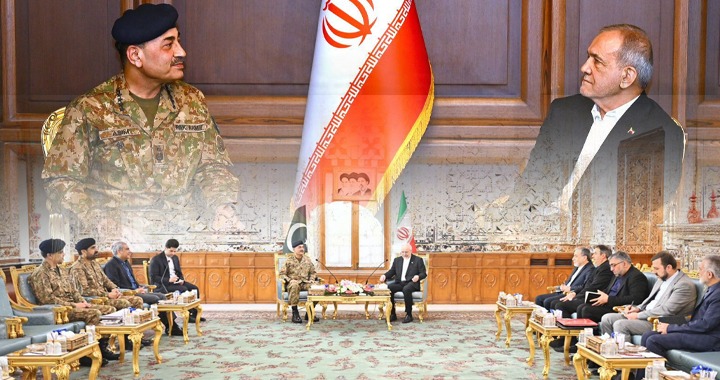
Field Marshal Syed Asim Munir, NI (M), HJ, Chief of Army Staff and Chief of Defence Forces, along with Interior Minister Mohsin Naqvi, has concluded a three-day official visit to the Islamic Republic of Iran, marking a high-level engagement focused on regional security dynamics and diplomatic coordination.
During the visit, Field Marshal Asim Munir met Iranian President Dr. Masoud Pezeshkian and held separate meetings with key Iranian leadership, including Speaker of the National Assembly Mohammad Bagher Ghalibaf, Foreign Minister Abbas Araghchi, and Commander of the Khatam-ul-Anbiya Headquarters Major General Ali Abdollahi.
Focus on Regional Security and Diplomatic Engagement
The discussions centered on evolving regional security conditions, ongoing diplomatic efforts, and potential collaborative measures aimed at promoting long-term peace and stability in the region. Both sides reportedly emphasized the importance of sustained dialogue, de-escalation, and peaceful resolution of outstanding issues through continued diplomatic engagement.
The Field Marshal underscored Pakistan’s position on the need for structured and continuous diplomatic channels to address regional challenges, reinforcing the view that stability can only be achieved through cooperation and engagement rather than escalation.
Pakistan Reaffirms Commitment to Regional Peace
During the meetings, the Field Marshal expressed appreciation for the hospitality extended by the Iranian leadership and conveyed warm regards from the President, the Prime Minister, and the people of Pakistan. He reiterated Pakistan’s intent to further strengthen its longstanding and brotherly relations with Iran.
The visit is being viewed in the context of Pakistan’s broader diplomatic efforts to contribute to a negotiated and peaceful resolution of regional conflicts, particularly in the Middle East, while promoting stability, prosperity, and cooperation across neighboring states.



