
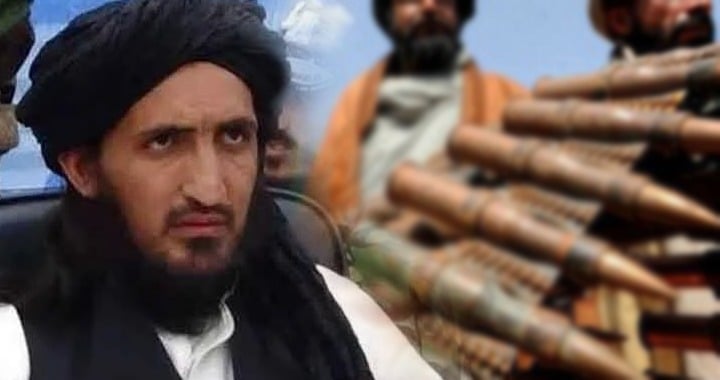
A newly released documentary-style report by Jamaat-ul-Ahrar (JuA) provides a detailed biographical and historical account of Umar Khalid Khurasani, tracing his early life, militant evolution, and associations with various armed factions over time.
According to the report, Khurasani hailed from the then Mohmand Agency, a remote and mountainous region described as having low literacy rates, limited development indicators, and constrained state presence under the Frontier Crimes Regulation system. The document argues that this environment, combined with prevailing religious influences, created conditions that facilitated the emergence of armed groups in the region.
Early Affiliations and Militant Consolidation
The report states that in 2007, Khurasani separated from Harakat-ul-Mujahideen and began efforts to consolidate smaller groups operating in Mohmand. Prior to this, he is also said to have been associated with the Akbar Shah group. His prominence reportedly increased during a period marked by intensified militancy linked to developments in Afghanistan and the broader region.
As per the document, a consultative council was later formed in the village of Kandaro, at the residence of Fakir Hassan, bringing together fighters from Mohmand and Swat. This council, according to the report, operated under the leadership of Maulana Fazlullah, with Khurasani appointed as commander and Qari Shakeel Ahmed as deputy.
Internal Conflict and Armed Clashes
The report also highlights a phase of internal conflict in Mohmand, marked by detentions, exchanges, and armed confrontations between rival groups. These disputes reportedly escalated over time, leading to sustained tensions and periodic violence between competing factions.
Multiple incidents of clashes and casualties are referenced, illustrating a fragmented and unstable environment in which rival militant groups competed for influence and control.
Overall, the report presents Khurasani as a figure shaped by regional instability, factional realignments, and evolving militant structures, reflecting the broader patterns of fragmentation and consolidation within armed groups operating in the area.



