
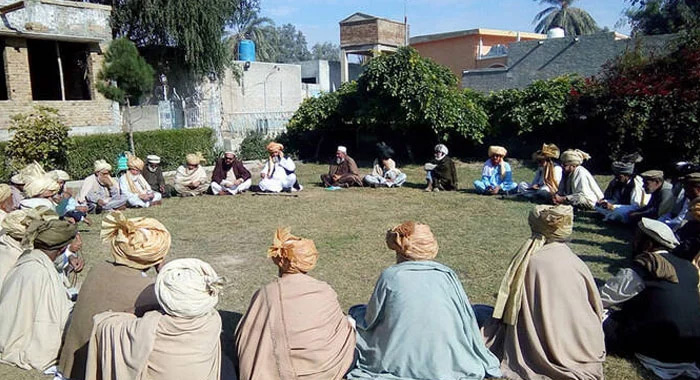
In a significant step toward restoring stability along the Afghanistan–Pakistan border, a high-level peace jirga convened on Tuesday in the Kundekasi area of Nuristan province, bringing together tribal elders and representatives from both sides of the frontier. The gathering marks a critical breakthrough following weeks of heightened tensions and conflict that resulted in substantial civilian losses.
The jirga was hosted at the residence of prominent local figure Akbar Khan and included equal representation from both sides, with 13 elders each from Chitral and the Nuristan–Narey regions of Kunar province. The meeting focused on addressing the aftermath of clashes that began on February 26 and identifying sustainable mechanisms to prevent further escalation.
After extensive deliberations, participants reached a consensus on several key measures aimed at ensuring long-term peace and cooperation. Central to the agreement is the implementation of an immediate and comprehensive ceasefire covering the stretch from Barg-e-Matal in Nuristan to Narey in Kunar. Under the terms of the accord, all parties committed to a complete cessation of hostilities, with forces on both sides instructed to refrain from any form of firing or armed engagement.
In addition to the ceasefire, the jirga established a framework for conflict resolution through dialogue. It was unanimously agreed that the same body of elders would reconvene in the event of any future disputes, serving as a standing mechanism for mediation and de-escalation. This decision underscores the traditional role of jirgas as trusted platforms for community-led governance and peacebuilding in the region.
The agreement further emphasizes respect for territorial boundaries, with both sides pledging that their respective forces will operate strictly within their own strategy while maintaining peaceful and cooperative relations with neighboring communities. The commitment reflects a shared understanding of the importance of restraint, mutual respect, and communication in preventing renewed violence.
Local observers and community leaders have welcomed the outcome of the jirga, describing it as a constructive and timely intervention that prioritizes civilian safety and regional harmony. The accord is expected to ease tensions, facilitate the return of normalcy for affected populations, and reinforce long-standing cultural ties between cross-border communities.
While challenges remain, the success of the Kundekasi jirga highlights the enduring relevance of indigenous conflict resolution mechanisms in addressing complex security issues. Stakeholders have expressed cautious optimism that the agreement will hold and serve as a foundation for sustained peace in the area.



