
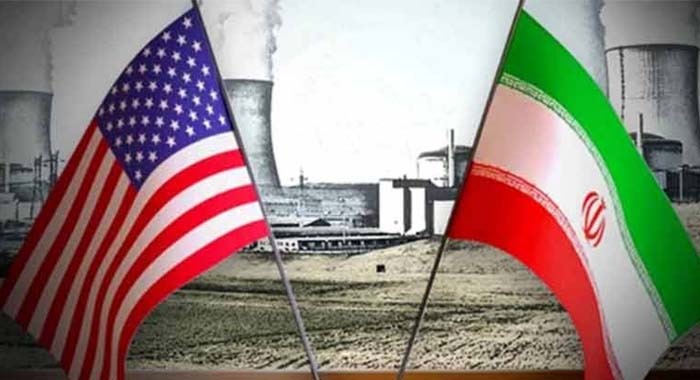
With only eight days remaining before the expiration of the current ceasefire between the United States and Iran, diplomatic efforts are intensifying amid cautious optimism and persistent uncertainty. International media reports from Washington, D.C. indicate that while the timeline appears tight, ongoing negotiations suggest that dialogue between the two sides remains active and has not collapsed.
Observers note that U.S. President Donald Trump’s approach to deadlines has historically demonstrated a degree of flexibility, raising the possibility that diplomatic channels may remain open beyond the stated timeframe. Recent rounds of talks, including discussions held in Pakistan, have yielded a notable outcome: neither party has declared negotiations to be conclusively terminated, signaling continued engagement despite underlying tensions.
However, the process is being complicated by a significant trust deficit on the Iranian side. According to sources familiar with the negotiations, Iranian representatives remain cautious after participating in at least two previous rounds of dialogue with U.S. officials in recent months, which were followed by military escalations. This pattern has contributed to skepticism in Tehran regarding the reliability of diplomatic assurances.
Preliminary insights emerging from the negotiations suggest the potential for a limited-term agreement aimed at restricting Iran’s ability to develop nuclear weapons for a specified period. Such a framework could serve as a transitional arrangement while broader terms are debated. President Trump is reportedly weighing several critical considerations in this regard.
Foremost among these is the strategic objective of avoiding a prolonged military conflict in the Middle East, a scenario widely viewed as costly and destabilizing. Additionally, the administration is seeking to secure an agreement that surpasses the scope and effectiveness of the previous nuclear deal negotiated under former President Barack Obama, reflecting a desire to establish a more robust and enforceable framework.
Diplomatic analysts emphasize that the coming days will be decisive in determining whether both sides can bridge their differences and reach a mutually acceptable understanding. The outcome will have far-reaching implications not only for regional stability but also for global non-proliferation efforts.
As the deadline approaches, the international community continues to monitor developments closely, with hopes that sustained engagement and pragmatic compromise will avert escalation and pave the way for a durable diplomatic solution.



