
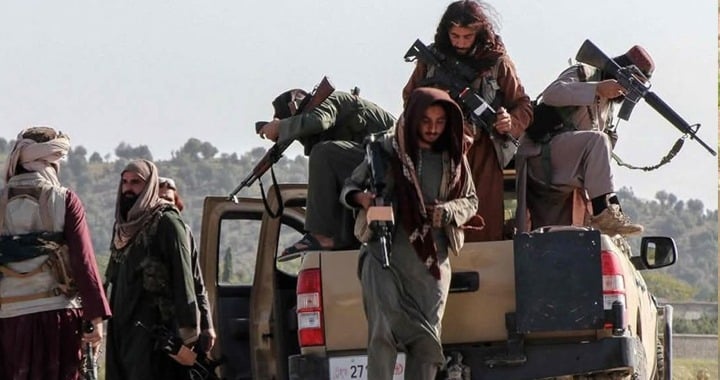
Pakistan’s long-standing position regarding Afghan Taliban, and the use of Afghan territory for terrorism against Pakistan has once again gained renewed attention after a local commander of the banned Tehreek-e-Taliban Pakistan (TTP), also referred to by the state as Fitna al-Khwarij, publicly claimed responsibility for a suicide attack in Bajaur and linked it directly to events inside Afghanistan.
According to details, local TTP commander Maling Bacha, in an audio message circulated online, accepted responsibility for the suicide attack targeting the Damangai camp in Khyber Pakhtunkhwa’s Bajaur district. More significantly, the commander reportedly admitted that the attack was carried out in response to Pakistani strikes in Afghanistan’s Kunar province.
The statement is being viewed by observers and security analysts as yet another indication that terrorist networks operating against Pakistan continue to maintain operational linkages and sanctuaries across the border inside Afghanistan.
Analysts note that the audio message directly contradicts repeated claims by the interim Afghan Taliban administration that Afghan soil is neither being used against Pakistan nor would any group be allowed to conduct cross-border terrorism from its territory.
The development comes amid years of mounting evidence, intelligence assessments, and international reports pointing toward the continued presence of multiple terrorist organizations inside Afghanistan. Despite repeated concerns raised by Pakistan, regional countries, the United Nations, and international monitoring bodies, the Afghan Taliban leadership has consistently rejected allegations regarding terrorist safe havens.
Recent assessments, including concerns expressed by Russian officials and findings referenced in international monitoring reports, have highlighted the activities of extremist groups operating from Afghanistan, including the TTP. United Nations monitoring teams have previously reported that members of the banned outfit were receiving logistical facilitation, movement support, and shelter inside Afghanistan, including access to guest houses and cross-border mobility networks.
Security analysts estimate that during 2025 alone, more than 600 terrorist attacks inside Pakistan were linked to networks operating from Afghan sanctuaries, particularly targeting Khyber Pakhtunkhwa and Balochistan.
Observers believe the latest admission by the TTP commander further strengthens Pakistan’s long-standing concerns that terrorism inside the country is being coordinated, facilitated, or directed from across the border.
At the same time, officials and analysts maintain that Pakistan’s Afghanistan policy has continued to revolve around restraint, border security, and defensive counterterrorism measures rather than aggression. Pakistan has repeatedly stated that its military actions are targeted responses carried out under the framework of Operation Azm-e-Istehkam and Operation Ghazab-ul-Haq against terrorist threats endangering national security.
Pakistan’s civil and military leadership has consistently maintained that counterterrorism operations will continue until terrorist groups cease using Afghan territory for attacks, surrender their weapons, or are dismantled and handed over by the Afghan Taliban authorities.
Analysts warn that the continued denial of cross-border terrorist facilitation despite mounting evidence risks further undermining regional stability and weakening prospects for long-term peace and trust between the two neighboring countries.



