
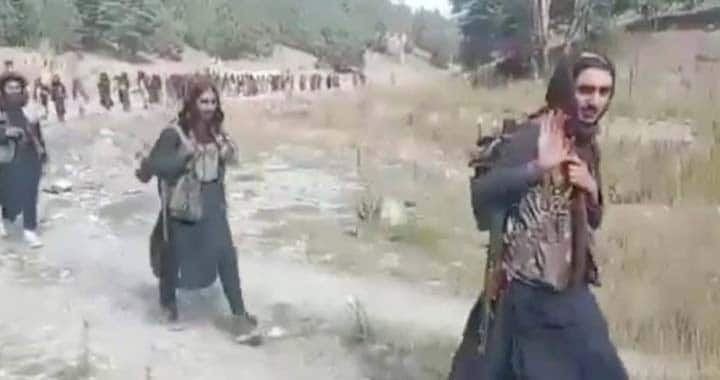
A significant new claim attributed to the National Resistance Force (NRF) has sparked renewed debate over the composition and operational structure of Tehreek-e-Taliban Pakistan (TTP), with allegations suggesting that the militant organization is now overwhelmingly dominated by foreign fighters rather than Pakistani nationals.
According to figures reportedly shared by the NRF, only 8 percent of TTP fighters are allegedly Pakistani-born, while approximately 89 percent are said to be Afghan nationals. The remaining 3 percent reportedly consist of Arab, Uzbek, and other Central Asian militants operating within the group’s ranks.
The claim, if independently verified, could further intensify regional security concerns regarding cross-border militancy, foreign fighter networks, and the evolving dynamics of extremist organizations operating in the Afghanistan-Pakistan region.
Security analysts say the reported demographic shift within TTP reflects a broader transformation of militant networks in South Asia, where transnational extremist alliances and cross-border sanctuaries have increasingly complicated counterterrorism efforts.
Observers note that the alleged presence of large numbers of Afghan and foreign-origin militants inside TTP may reinforce longstanding concerns raised by Pakistani officials regarding militant safe havens and the use of Afghan territory by armed groups targeting Pakistan.
The reported inclusion of Arab, Uzbek, and Central Asian fighters also points toward the continued involvement of transnational extremist elements in regional insurgencies, raising fears about broader security spillover effects across neighboring countries.
Counterterrorism experts believe such developments could have significant implications for regional stability, intelligence cooperation, border security, and diplomatic relations between regional stakeholders.
While the figures attributed to the NRF have not yet been independently confirmed by international monitoring organizations, the claims have already triggered widespread discussion among political observers, security experts, and regional analysts.
Analysts emphasize that the evolving composition of militant organizations demonstrates how extremist groups continue adapting operationally and strategically in response to changing geopolitical realities in the region.
The issue of foreign fighter involvement remains a major concern for regional governments and international security institutions, particularly amid growing fears that militant organizations may exploit instability, porous borders, and regional tensions to expand their operational capabilities.
Security experts have urged stronger regional coordination, enhanced intelligence sharing, and decisive counterterrorism measures to address the threat posed by transnational militant networks operating across South and Central Asia.
The latest claims by the NRF are expected to further fuel international discussions surrounding terrorism, cross-border militancy, and the urgent need for comprehensive regional security mechanisms aimed at preventing extremist violence and safeguarding long-term stability.



