
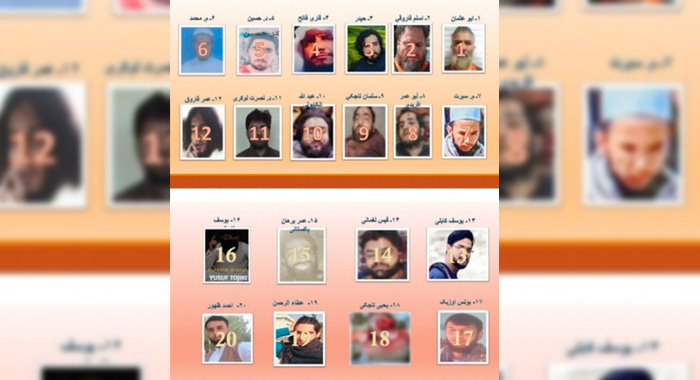
Emerging reports and field-based observations are raising serious questions about the effectiveness and transparency of the Afghan Taliban’s counterterrorism efforts, particularly regarding their stated campaign against the Islamic State Khorasan Province (ISKP).
The Taliban administration has consistently presented itself as actively engaged in suppressing ISKP, positioning its operations as part of broader efforts to stabilize Afghanistan and prevent the country from becoming a base for transnational militancy. However, a growing body of analytical material, field reports, and visual documentation suggests a more complex and potentially contradictory reality on the ground.
According to multiple sources familiar with local dynamics, ISKP elements have not been fully dismantled. Instead, indications point to their continued ability to regroup, reorganize, and maintain operational presence in certain areas. These assessments are further echoed in analytical publications, including “ISKP: Know Thy Enemy,” which compiles visual and contextual evidence that calls into question the extent of the group’s degradation.
Security observers note that the persistence of ISKP networks, despite repeated claims of successful crackdowns, highlights a possible gap between official narratives and field realities. While it remains difficult to independently verify all claims due to restricted access and limited transparency, the consistency of these reports has prompted increased scrutiny among regional analysts and international stakeholders.
The apparent contradiction has broader implications for regional stability. Experts warn that if militant networks are not being decisively dismantled, Afghanistan risks once again becoming a permissive environment for multiple armed groups. Such a scenario could undermine not only internal security but also pose renewed cross-border threats.
The situation also raises critical questions about monitoring mechanisms, intelligence-sharing, and the credibility of counterterrorism assurances provided by the Taliban to the international community. With limited independent verification channels, assessing the full scope of militant activity remains a significant challenge.
As concerns mount, analysts emphasize the need for greater transparency, verifiable actions on the ground, and sustained international attention to ensure that counterterrorism commitments translate into measurable outcomes.
Further independent assessments and on-ground verification will be essential to determine the trajectory of ISKP’s presence and the effectiveness of ongoing counterterrorism efforts in Afghanistan.



