(Shamim Shahid)
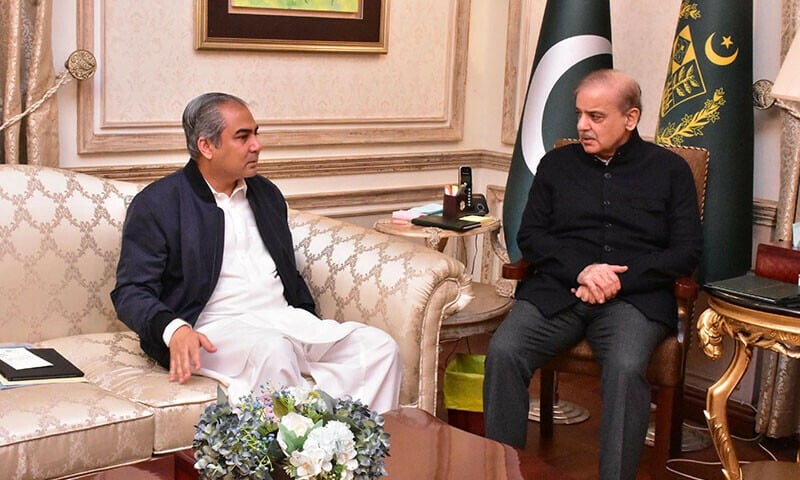
In the heart of Peshawar, Khyber Pakhtunkhwa, a high-stakes Jirga convened at the Chief Minister’s House last week has laid bare the stark realities of governance, political disunity, and security challenges in Pakistan. Convened by Chief Minister KP, Sohail Afridi, the meeting brought together provincial advisors and key political figures, though four prominent parties the Jamiat-e-Ulema-e-Islam, Pakistan National League, Pakistan People’s Party, and Awami National Party boycotted the gathering. Their absence, while framed as political posturing, reflects deeper systemic issues within Pakistan’s political and administrative culture.
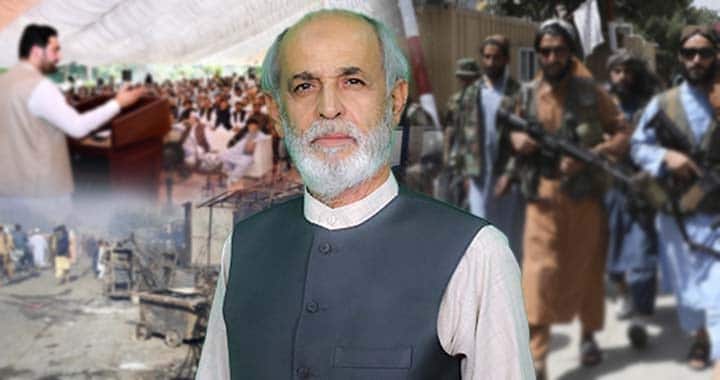
The Jirga, intended to serve as a forum for dialogue on peace, security, and counterterrorism, instead highlighted the growing dissonance between political rhetoric and administrative reality. Sharp criticism dominated the proceedings, painting a bleak picture of governance in Khyber Pakhtunkhwa. But beyond the local dynamics, the meeting also intersected with a worrying international development: the Taliban in Afghanistan have reportedly embedded weapons within civilian areas of Kabul, raising urgent questions for regional security.
The boycott by the four major parties is particularly concerning. These political entities, while modest in legislative weight, wield significant influence at the grassroots level. Their collective opposition to terrorism is well-known, yet they opted to abstain from a forum designed precisely to address this threat. Such a decision underscores a systemic flaw in political engagement: the centralization of dialogue and reliance on party hierarchies over direct, inclusive consultation.
This fragmentation is symptomatic of broader political weaknesses. Governance in Pakistan, and particularly in Khyber Pakhtunkhwa, suffers not merely from institutional inefficiency but from a lack of cohesive political strategy. The Chief Minister’s office, while the provincial executive authority, cannot succeed in isolation. For meaningful reform, provincial leadership must engage directly with all stakeholders political, civil, and institutional—before convening forums like the Jirga. The absence of this approach not only undermines the credibility of such gatherings but also diminishes the prospects for actionable solutions.
The criticisms raised during the Jirga are not abstract; they reflect tangible failures that directly impact daily life. Public institutions in Khyber Pakhtunkhwa are faltering. Schools frequently close early, depriving students of essential learning opportunities. Hospitals struggle to provide even basic care. Electricity outages persist for hours, and water supply in major cities, including Peshawar, is unreliable. These failures are not mere inconveniences—they are destabilizing factors that erode public trust and hinder the province’s capacity to counter extremism effectively.
The challenges are even more acute in the tribal areas merged into Khyber Pakhtunkhwa. Once relatively stable, these regions have seen a collapse in governance structures post-merger. Promises made to local populations remain unfulfilled, and the absence of effective administrative oversight has created a vacuum that extremist groups can exploit. These structural deficiencies highlight the urgent need for administrative reforms, political inclusion, and institutional capacity-building.
The Jirga’s discussions also underscored a fundamental truth: terrorism is not solely a security issue; it is a political phenomenon. Effective counterterrorism requires not only military or police action but political consensus and societal resilience. In Khyber Pakhtunkhwa, this means empowering local stakeholders, engaging political parties across the spectrum, and strengthening the accountability and performance of provincial institutions. Without such measures, criticisms, no matter how pointed, will fail to produce meaningful outcomes.
Security solutions cannot succeed in isolation from governance reforms. Criticism without engagement is insufficient. The province’s leadership must shift from reactive rhetoric to proactive dialogue, bringing together political leaders, civil authorities, and security agencies to craft inclusive strategies that address both the symptoms and root causes of extremism.
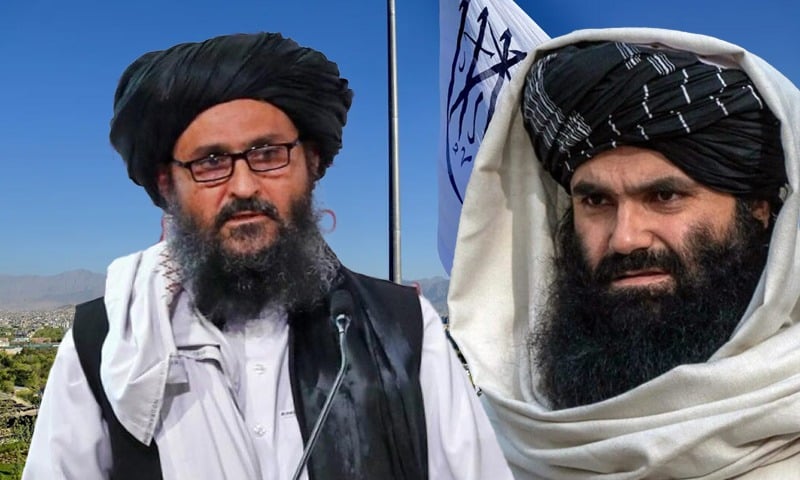
While domestic governance is a pressing concern, the regional dimension cannot be ignored. Recent reports indicate that the Taliban in Afghanistan have strategically positioned weapons within civilian populations in Kabul, including areas such as Qaziabad and Qaladam. Former Afghan Vice President Amrullah Saleh has warned that these civilians are being used as shields, complicating any potential intervention by Afghan authorities or regional actors.
The implications for Pakistan are profound. The presence of Pakistani Taliban (TTP) operatives in Afghan territory, combined with the Taliban’s strategic embedding of weapons among civilians, heightens the risk of cross-border terrorism. Pakistan is faced with a delicate dilemma: any unilateral action risks escalating tensions with Afghanistan and the Taliban, yet inaction could allow terrorist networks to consolidate, threatening domestic stability.
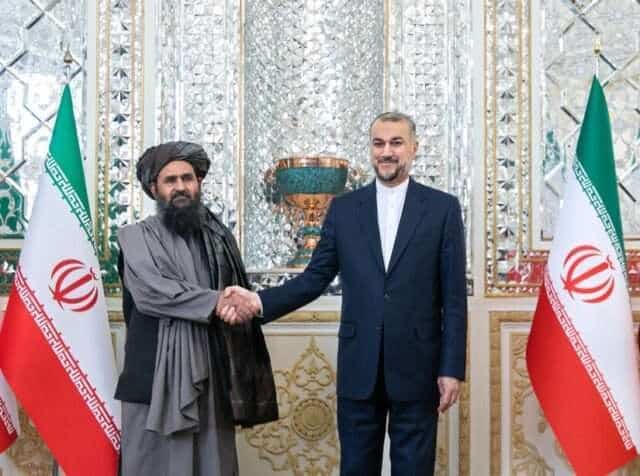
Negotiations with the Taliban—whether in Urumqi, Turkey, or other international forums—have repeatedly failed to produce substantive results. Despite assurances of non-interference and commitments to abide by agreements, the Taliban continue to operate with strategic opacity, maintaining operational capabilities while minimizing accountability. For Pakistan and the international community, these failures underscore the difficulty of relying solely on diplomacy without robust political and security mechanisms on the ground.
While political actors remain divided, civil society in Khyber Pakhtunkhwa has demonstrated remarkable resilience. In Buner, women have organized protests against longstanding local grievances, highlighting the capacity of citizens to demand accountability and engage in governance. These movements illustrate a critical principle: sustainable stability and security cannot be achieved solely through top-down initiatives. Empowering local communities, protecting civic freedoms, and fostering public participation are essential to countering extremism indirectly by building societal resilience.
This lesson resonates beyond Pakistan. Across conflict-affected regions, the strength of civil society often determines the durability of peace. Communities that are engaged, informed, and empowered are less susceptible to extremist influence and more capable of holding governments accountable.
The governance challenges in Khyber Pakhtunkhwa, particularly in post-merger tribal areas, underscore the urgent need for political reform. Effective governance requires functional institutions, capable leadership, and an inclusive approach that prioritizes dialogue over partisanship. The boycott of the Jirga by major political parties is a stark reminder of the consequences of political exclusion: consensus-building cannot occur when critical stakeholders are marginalized.
Decentralized decision-making, intergovernmental coordination, and targeted political training are not mere administrative luxuries they are essential instruments for security, stability, and development. By addressing these gaps, Pakistan can begin to mitigate the structural vulnerabilities that allow extremism to thrive.
The Taliban’s activities in Kabul offer a cautionary tale for Pakistan. By embedding weapons within civilian populations, the Taliban exploit both operational constraints and moral dilemmas, making counterterrorism interventions exceedingly complex. For Pakistan, this is both a warning and an opportunity: proactive governance, strategic political engagement, and regional diplomacy can prevent similar crises from taking root.
Efforts to unite political forces and civil society against extremism must begin immediately. Movements inspired by leaders like Amrullah Saleh require not only moral support but practical backing in terms of security, logistics, and public mobilization. Pakistan, sharing borders and historical ties with Afghanistan, cannot remain a passive observer in this unfolding regional security dilemma.
Khyber Pakhtunkhwa, and Pakistan at large, stand at a critical juncture. Governance failures, political fragmentation, and regional instability converge to create a precarious environment for citizens and the state alike. Criticism, while necessary, is insufficient on its own. Leadership must translate critique into action: fostering inclusion, engaging directly with political stakeholders, and prioritizing governance reforms that strengthen institutions and public trust.
Simultaneously, Pakistan must remain vigilant regarding developments in Afghanistan. The Taliban’s strategic embedding of weapons within civilian populations underscores the fragility of regional security and the importance of coordinated diplomatic, political, and security responses.
The path forward is clear but challenging. Pakistan must embrace bold, inclusive leadership, implement structural reforms, and pursue a strategy that integrates governance, security, and civil engagement. Failure to act decisively risks not only domestic instability but also broader regional destabilization. The era of reactive governance and fragmented political dialogue must end; the time for strategic, accountable, and inclusive action is now.