
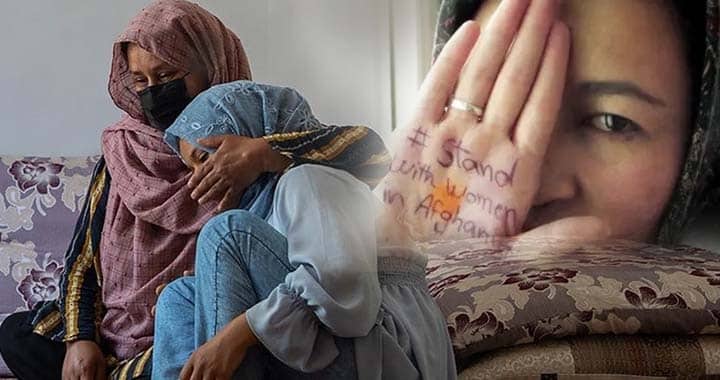
A new United Nations report has raised serious concerns about the protection of women and girls in Afghanistan, documenting multiple cases of conflict-related sexual violence and warning of a deteriorating human rights environment under Taliban rule.
Presented by the United Nations Secretary-General to the UN Security Council, the report details verified incidents of sexual violence, forced marriage, arbitrary detention, and other abuses allegedly committed against Afghan women and girls during 2025. The findings, compiled by the United Nations Assistance Mission in Afghanistan (UNAMA), paint a troubling picture of growing vulnerability, shrinking access to justice, and increasing restrictions on fundamental freedoms.
According to the report, Afghanistan continues to face acute humanitarian challenges, weakened accountability mechanisms, and mounting obstacles to the protection of women and girls nearly four years after the Taliban’s return to power in August 2021.
The report states that UNAMA verified 21 cases of conflict-related sexual violence involving 15 women and six girls during the reporting period.
According to the findings, the documented incidents included allegations of rape, gang rape, forced marriage, and forced nudity. The report attributes these cases to Taliban officials, including members of Taliban security structures.
“UNAMA verified cases of rape, gang rape, forced marriage and forced nudity affecting 15 women and six girls, attributed to de facto officials, including de facto security personnel,” the report states. The findings form part of the Secretary-General’s annual global assessment of conflict-related sexual violence.
The report also highlights concerns regarding the continuation of forced marriages despite a decree reportedly issued by Taliban authorities in 2021 prohibiting the practice. According to the United Nations, forced marriage remains a continuing concern for women and girls in Afghanistan, raising questions about enforcement mechanisms and legal protections available to victims. Human rights observers argue that the persistence of such practices reflects broader challenges related to women’s rights, legal accountability, and institutional oversight.
The Secretary-General’s report further references findings by the UN Special Rapporteur on Human Rights in Afghanistan regarding the treatment of women who challenge or protest Taliban policies. According to the report, women activists and protesters have allegedly been subjected to arbitrary detention and ill-treatment. The findings indicate that some women in detention reported experiencing torture and various forms of abuse, including sexual violence.
The report presents these concerns within the broader context of restrictions affecting civic participation, freedom of expression, and women’s ability to engage in public life.
The United Nations notes that significant uncertainty remains regarding women’s access to justice following the dismantling of legal frameworks and specialized institutions that previously addressed violence against women. According to the report, four years after the dissolution of many protective legal structures, cases involving gender-based violence are now largely handled by male officials, raising concerns among rights advocates regarding survivor protection, impartial investigations, and accountability.
Experts warn that the absence of specialized judicial mechanisms may further discourage victims from reporting abuse and seeking legal remedies. The report also highlights the weakening of support services available to survivors of gender-based violence. While humanitarian organizations continue to provide legal assistance, psychosocial support, and case-management services, the United Nations warns that severe funding shortages and restrictions affecting female aid workers have significantly reduced access to critical services.
According to the report, Taliban restrictions on women’s employment and freedom of movement have further complicated humanitarian operations and limited the ability of aid agencies to reach vulnerable populations. The humanitarian situation outlined in the report reflects broader concerns regarding access to healthcare and victim support services. As of July 2025, more than 400 health facilities had reportedly closed across Afghanistan due to financial constraints and operational challenges.
The report further notes that hundreds of UN-supported service centers providing assistance to survivors of gender-based violence were forced to suspend operations because of funding shortfalls. Humanitarian organizations warn that these closures have left many vulnerable women and girls without access to essential medical, legal, and psychological support.
The United Nations also expressed concern regarding continued restrictions imposed on Afghan women working for international organizations. According to the report, Taliban authorities have continued to prevent Afghan women, including female United Nations staff members, from accessing UN offices and carrying out their professional duties. UN officials argue that such restrictions create additional barriers to humanitarian assistance, particularly in areas where female staff are essential for reaching women and children in need.
The Secretary-General’s report emphasizes that survivors of conflict-related abuses continue to seek recognition, justice, compensation, and guarantees against future violations. Victims have repeatedly called for accountability mechanisms capable of investigating abuses and ensuring that perpetrators are held responsible under international law. In response to these concerns, the report highlights the establishment of an Independent Investigative Mechanism for Afghanistan by the UN Human Rights Council in October 2025.
The body was created to collect, preserve, and analyze evidence relating to alleged international crimes and serious violations of international law, including crimes committed against women and girls. Beyond immediate physical harm, the report draws attention to the long-term psychological and social consequences of conflict-related sexual violence. In its global review of conflict zones, the United Nations documented cases of suicide among survivors of sexual violence in both Afghanistan and Myanmar, underscoring the devastating human impact of such abuses. Experts stress that addressing the needs of survivors requires sustained access to healthcare, psychosocial support, legal assistance, and economic opportunities.
In its recommendations, the Secretary-General called on Taliban authorities to immediately cease all acts of sexual violence, reverse policies restricting the rights and freedoms of women and girls, and comply with Afghanistan’s international obligations. The report also urges the removal of restrictions preventing Afghan women from working for the United Nations, humanitarian agencies, and non-governmental organizations.
UN officials argue that meaningful progress on women’s rights, accountability, and humanitarian access remains essential to improving conditions for millions of Afghan women and girls. The latest United Nations assessment presents one of the most comprehensive accounts to date of the challenges facing Afghan women and girls amid ongoing humanitarian, legal, and human rights concerns. While the findings continue to generate international attention and calls for accountability, the report underscores the urgent need for stronger protections, expanded humanitarian support, and effective mechanisms to address alleged abuses. As Afghanistan confronts a complex combination of political, economic, and social challenges, the condition of women and girls remains a central issue in international discussions concerning the country’s future.



