
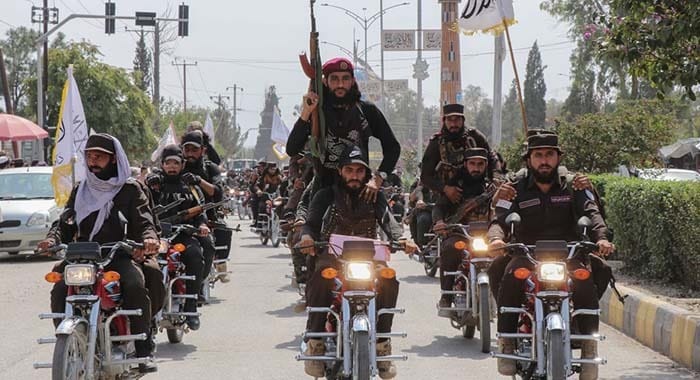
The continued rule of the Taliban regime in Afghanistan has raised serious concerns regarding the expansion of extremist ideologies, the resurgence of militant networks, and growing security challenges for neighboring countries and the wider region.
According to international assessments and security analyses, Afghanistan under the Taliban regime has increasingly become a challenging environment where extremist groups have found opportunities to reorganize, recruit, train, and expand their activities. The unchecked presence and reported activities of militant organizations have created significant security concerns for regional and international stakeholders.
The Global Conflict Tracker has reported that the Taliban regime has consolidated control over Afghanistan through strict governance measures and maintains extensive authority across the country. The report highlights concerns regarding the continued presence of extremist organizations, including Al-Qaeda-linked elements, which have used Afghan territory for recruitment, training, and facilitating militant activities beyond the country’s borders.
The situation has intensified concerns among Afghanistan’s neighboring countries, which continue to face security challenges linked to cross-border militancy, extremist networks, and the movement of armed groups operating from Afghan soil.
The Global Conflict Tracker has also highlighted the restrictive measures imposed on Afghan citizens, including limitations on women’s access to secondary education and restrictions on movement without a male guardian. These policies have contributed to growing international criticism over human rights conditions and governance practices under the Taliban regime.
According to DW News, Afghan women have been increasingly excluded from public life and have faced severe restrictions on their educational opportunities beyond the primary level. These measures have drawn widespread international concern regarding the social and humanitarian impact of Taliban policies.
The continued activities of extremist organizations and the reported inability or unwillingness of the Taliban regime to effectively address terrorist networks operating from Afghan territory remain a major concern for regional peace and stability.
Pakistan has consistently emphasized that sustainable peace in the region requires decisive action against terrorist organizations, prevention of extremist safe havens, and a commitment to ensuring that Afghan territory is not used against any country.
The international community continues to closely monitor developments in Afghanistan, with growing calls for accountability, counter-terrorism measures, and respect for fundamental rights. Addressing terrorism and extremism remains essential for achieving lasting peace, security, and stability in Afghanistan and the surrounding region.



