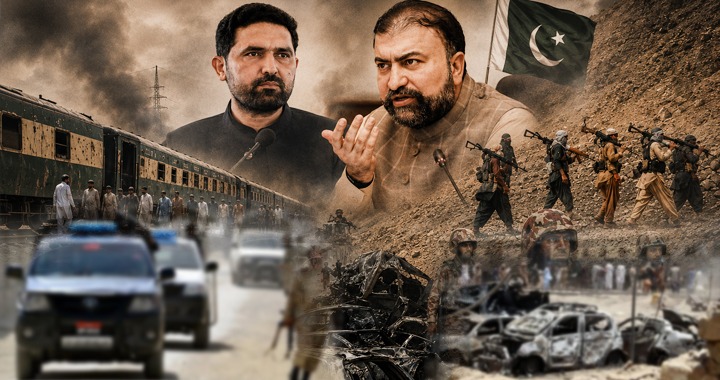
The events of the past few days in Balochistan should not be viewed as isolated terrorist attacks. They should be seen as part of a broader campaign designed to stretch Pakistan’s security apparatus, undermine public confidence and create the impression that terrorism is once again capable of dictating the national agenda. In my assessment, however, those behind this campaign have fundamentally misread both the mood of the Pakistani state and the resolve of the people of Balochistan.
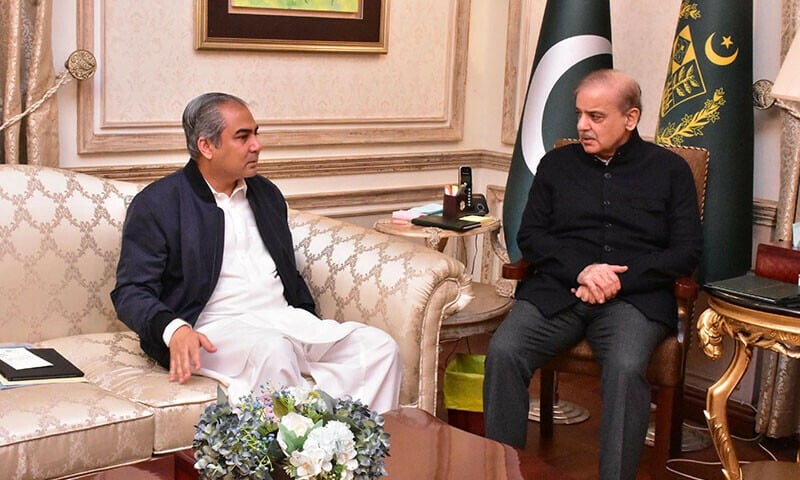
The Apex Committee meeting in Quetta was not merely another high-level security gathering. Its significance lay in the fact that the country’s political and military leadership sat together in the province that has become the latest focus of coordinated terrorist violence. That in itself sent a message. It demonstrated that Balochistan is not a peripheral issue but a national priority, and that decisions regarding its security are being taken collectively rather than in isolation.
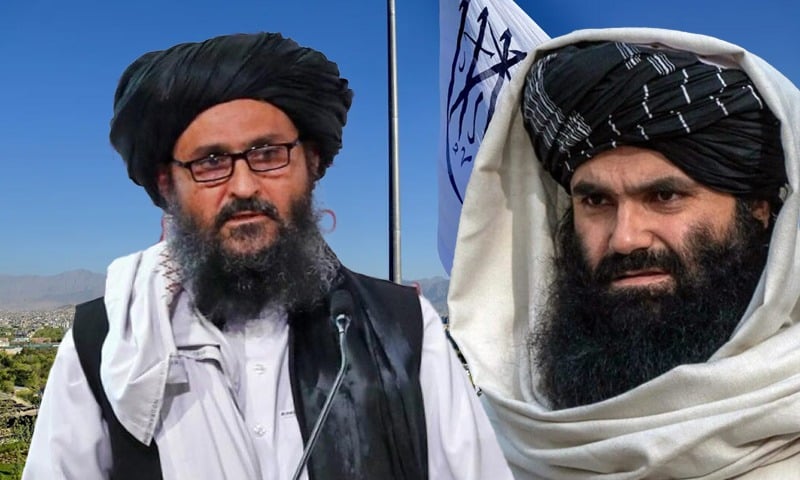
Afghanistan remains an undeniable factor in this entire equation. Pakistan has repeatedly conveyed its concerns through diplomatic channels and has also presented evidence to support its position that terrorist organizations operating against Pakistan continue to find sanctuary across the border. This is no longer merely Pakistan’s claim. International assessments have increasingly acknowledged the continued presence of multiple terrorist organizations inside Afghanistan. The challenge therefore is not simply one of border management. It is about dismantling the ecosystem that enables these organizations to recruit, train, regroup and launch attacks.
What unfolded in Balochistan over the last several days also carried signs of sophisticated planning. Simultaneous attacks on different locations, carefully selected targets and the attempt to disrupt civilian infrastructure all indicate a degree of coordination that goes well beyond the capabilities of isolated local cells. Such operations require intelligence support, logistical preparation and sustained planning. That is why I believe these attacks cannot be analyzed solely through the lens of local insurgency.
When the People Refuse to Surrender
One of the most important developments has received far less attention than it deserves. In areas such as Hanna Urak, local residents did not simply condemn terrorism after the attacks. They resisted it while the terrorists were still present.
This distinction is extremely important.
Across Pakistan, communities have often opposed terrorist groups after security forces cleared an area. In Balochistan, however, local people demonstrated a willingness to deny terrorists space even during active attacks. That reflects growing public rejection of extremist violence and weakens the terrorists’ long-standing effort to portray themselves as representatives of local grievances.
The attack near Hanna Urak, a well-known tourist destination close to Quetta, illustrates this point. According to local accounts, armed men had earlier attempted to obtain food and shelter from villagers. They were refused. Days later, the area came under attack. Whether viewed tactically or psychologically, the message was clear. Communities that reject terrorist influence become targets.
The subsequent attack in Ziarat reinforced another disturbing trend. Police personnel became the principal target, with several officers embracing martyrdom while performing their duties. Reports indicated that many of those who lost their lives were local Pashtun policemen serving their own communities.
This is significant because it directly contradicts the narrative that terrorism in Balochistan represents local communities. When local Baloch and Pashtun security personnel become the primary victims of these attacks, the claim that these organizations are fighting on behalf of the people becomes increasingly difficult to sustain.
The attack on water infrastructure further demonstrated the broader objective of these groups. Water facilities are not military installations. They sustain ordinary citizens. Attempts to disrupt essential services indicate an intention to create hardship for civilians rather than merely confront security institutions.
Coordination Matters More Than Rhetoric
Another lesson emerging from recent events concerns governance.
Counterterrorism cannot succeed through military action alone. It requires political clarity, administrative coordination and institutional consistency. In my view, one notable feature of Balochistan’s current response has been the visible coordination between the provincial administration and the federal leadership.
The provincial government has remained engaged on the ground through visits, coordination meetings and administrative decisions following recent attacks. The federal government, the military leadership and provincial authorities appear to be operating with a common understanding of the security challenge.
That degree of institutional alignment matters because terrorist organizations traditionally attempt to exploit divisions within the state. Whenever political disagreements overshadow security priorities, violent groups gain operational breathing space.
This is one reason why Balochistan presents a different picture from other conflict theatres. Terrorist organizations thrive where confusion exists. They struggle when state institutions move with unity of purpose.
The security operations launched after the recent attacks also reflect this coordinated approach. Security forces, Frontier Corps formations, police and other law enforcement agencies have continued intelligence-based operations across multiple districts. Such operations demonstrate that the state’s response is not confined to defending fixed positions but seeks to dismantle terrorist networks before they can regroup.
Afghanistan Remains Central to the Security Equation
Yesterday’s press briefing by the military spokesperson reinforced a message Pakistan has communicated for a considerable period: the Afghan dimension of terrorism can no longer be ignored.
This issue extends beyond rhetoric. Terrorist infiltration, logistical routes and operational planning increasingly point towards networks operating from Afghan territory. If cross-border sanctuaries remain available, organizations targeting Pakistan will continue attempting to exploit them.
Equally important is the evolving geographical pattern of terrorist movement.
Southern Afghanistan, particularly areas connected to Kandahar, shares deep tribal, commercial and familial links with Pakistan’s Pashtun belt. These longstanding social connections are legitimate and natural. However, terrorist organizations attempt to misuse the same routes for infiltration, recruitment and logistical movement.
Recent reports of internal tensions around Kandahar, coupled with cross-border militant activity, make this region increasingly important from Pakistan’s security perspective.
The military spokesperson also stated that many of the terrorists eliminated during recent operations were Afghan nationals. If accurate, that observation further reinforces Islamabad’s longstanding position regarding cross-border facilitation.
Pakistan has consistently maintained that its dispute is not with the Afghan people. The concern relates to terrorist organizations operating from Afghan territory and the responsibility of the authorities there to prevent such activities. That distinction remains essential.
Terrorism Has Entered a More Complex Phase
Another important development deserves careful attention.
The operational environment has become more complicated because different terrorist organizations increasingly appear to be pursuing complementary objectives, even without publicly announcing formal alliances.
The banned TTP, factions such as Jamaat-ul-Ahrar and Baloch terrorist organizations possess distinct ideological backgrounds. Yet they often benefit from simultaneous pressure on different regions of Pakistan. Multiple attacks occurring within short intervals create the impression of widespread instability even when individual organizations remain organizationally separate.
Their calculation appears straightforward: stretch Pakistan’s resources, dominate the information space and create uncertainty.
Whether that calculation succeeds depends largely on Pakistan’s institutional cohesion rather than on the number of attacks themselves.
Recent intelligence-based operations suggest that security agencies recognize this changing pattern and are adapting accordingly. Counterterrorism today is no longer confined to reactive policing. It increasingly combines intelligence collection, precision operations, border security and coordinated civil administration.
Looking ahead, the focus may well shift further towards southern Afghanistan and the routes historically exploited by terrorist networks. Pakistan has repeatedly demonstrated that it is prepared to respond whenever attacks originate from across the border. At the same time, lasting stability ultimately depends on meaningful cooperation between neighboring states to deny terrorist organizations any sanctuary.
The latest attacks have undoubtedly been painful. Brave police officers, soldiers and civilians have paid with their lives. Yet if these attacks were intended to intimidate Pakistan or fracture national resolve, they appear to have produced the opposite effect.
Balochistan’s people refused to surrender. State institutions closed ranks rather than drift apart. Security operations intensified instead of slowing down. The message emerging from Quetta is therefore unmistakable: terrorism remains a serious threat, but it no longer dictates Pakistan’s national direction. Instead, it is compelling the state to refine its strategy, strengthen coordination and pursue those responsible with greater determination than before.
Winning the War Requires National Unity, Not Institutional Competition
One lesson repeatedly reinforced by Pakistan’s experience is that counterterrorism cannot be left to the security forces alone. Military operations may destroy terrorist hideouts and eliminate commanders, but lasting success requires political consistency, administrative resolve and public support. Whenever these pillars move in different directions, terrorist organizations attempt to exploit the resulting vacuum.
For this reason, political leadership must avoid turning national security into a point-scoring exercise. There should be room for healthy political disagreement on governance, economics and legislation, but terrorism cannot become another arena for partisan contest. The country’s security institutions, intelligence agencies and elected governments must continue working with a shared understanding of the threat. That institutional balance, rather than institutional rivalry, is what ultimately strengthens the state’s ability to respond.
Pakistan has already made its position clear regarding negotiations with terrorist organizations. Past experiences have demonstrated the limitations of talks that allow militant groups to regroup while continuing violence. Any engagement concerning cross-border terrorism should therefore be conducted through recognized state institutions and between governments, not with armed groups that challenge the writ of the state.
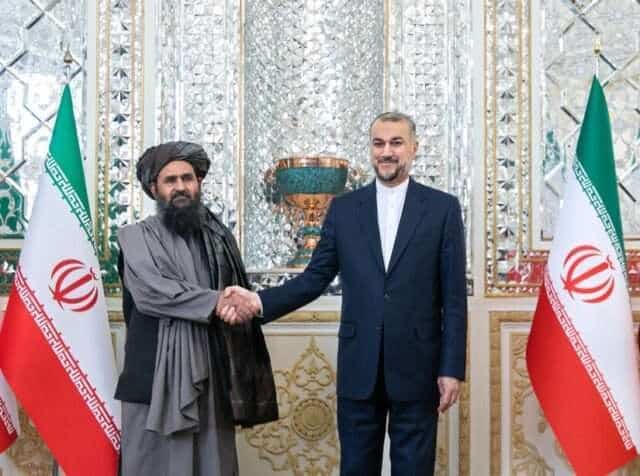
Pakistan has consistently attempted to resolve its concerns with Afghanistan through diplomatic channels. Meetings in Doha, Istanbul and other regional forums reflect that approach. Dialogue remains the preferred path between neighbouring states, but dialogue can only succeed if commitments are matched by practical action on the ground. Preventing Afghan territory from being used against neighboring countries is not simply Pakistan’s expectation, it is also an international obligation.
Regional Stability Depends on Action, Not Narratives
Another aspect often overlooked is that terrorism today affects far more than Pakistan’s internal security. Every major attack damages investor confidence, disrupts economic activity and undermines regional connectivity projects that benefit multiple countries.
The recent attacks in Balochistan once again highlighted this reality. Security personnel were targeted, but so too were civilian facilities and public infrastructure. Such attacks are designed to create the perception that development itself is under threat. They seek to discourage investment, interrupt public services and weaken confidence in the state’s ability to protect its citizens.
That objective explains why terrorist groups repeatedly target roads, bridges, schools, health centers and public utilities. These are not accidental choices. They are calculated attempts to inflict maximum disruption on ordinary people.
Yet these attacks also expose a contradiction in the narratives advanced by such organizations. Any movement claiming to represent local communities cannot simultaneously destroy the very infrastructure upon which those communities depend. Attacking schools deprives children of education. Damaging roads isolates remote districts. Targeting water facilities affects entire populations. Such actions ultimately reveal that civilians, rather than the state alone, become the principal victims.
The Cross-Border Dimension Cannot Be Ignored
Developments over recent months also suggest that Pakistan’s security planners increasingly view the cross-border dimension as inseparable from domestic counterterrorism.
Reports have repeatedly pointed towards operational planning, recruitment and logistical support originating from across the western border. Pakistani authorities have maintained that many terrorist attacks are planned outside the country before being executed by networks operating inside Pakistan.
If these supply lines remain intact, terrorist organizations will continue regenerating despite tactical losses. Breaking those networks therefore requires more than eliminating individual militants. It requires disrupting financing, recruitment, communications and cross-border movement.
This is precisely why Pakistan continues urging the Afghan authorities to take verifiable action against groups operating from their territory. The issue is no longer confined to bilateral relations. It affects regional stability as a whole.
The international community has increasingly recognized that Afghanistan continues to host multiple terrorist organizations with regional ambitions. That reality should encourage greater cooperation rather than continued denial.
The Nature of the Threat Is Evolving
The security environment itself has changed significantly.
Militant organizations are becoming more flexible in their operational methods. Some pursue ideological agendas, others ethnic narratives, while still others function through criminal and financial networks. Yet despite these differences, their activities increasingly overlap in ways that complicate Pakistan’s security landscape.
The banned TTP and factions such as Jamaat-ul-Ahrar continue to pose serious threats in Khyber Pakhtunkhwa, while Baloch terrorist organizations remain active in parts of Balochistan. Whether or not they formally announce cooperation, simultaneous attacks serve a common strategic purpose: stretching state resources, dominating media attention and creating an exaggerated perception of instability.
Pakistan’s response must therefore be equally adaptive. Intelligence-led operations, improved coordination among civilian and military institutions, enhanced border management and greater public resilience will all remain essential components of the country’s evolving counterterrorism strategy.
A Defining Moment for Pakistan
The events of recent days should not be remembered only for the tragic loss of brave police officers, soldiers and civilians. They should also be remembered for the response they generated.
Communities in Balochistan resisted intimidation. Security forces launched immediate counter-operations. Political and military leaders demonstrated unity rather than division. The Apex Committee’s deliberations reflected a shared understanding that terrorism remains Pakistan’s foremost national security challenge.
That unity matters because terrorist organizations thrive on uncertainty. Their greatest weapon is not merely violence, but the hope that repeated attacks will weaken public confidence and divide institutions.
So far, the opposite appears to be happening.
Pakistan is refining its counterterrorism strategy, strengthening coordination between federal and provincial authorities, enhancing intelligence-driven operations and making it increasingly clear that those responsible for attacks, together with their facilitators, will continue to be pursued wherever they operate.
The struggle against terrorism is far from over, and no serious observer should underestimate the complexity of the challenge. However, recent developments also demonstrate that Pakistan is no longer responding to isolated incidents. It is adapting to an evolving threat with a more integrated national approach.
History has repeatedly shown that terrorist campaigns ultimately fail when the state remains united, institutions cooperate and citizens refuse to surrender their confidence. Judging by the events of the past week, that is precisely the direction in which Pakistan now appears determined to move.