
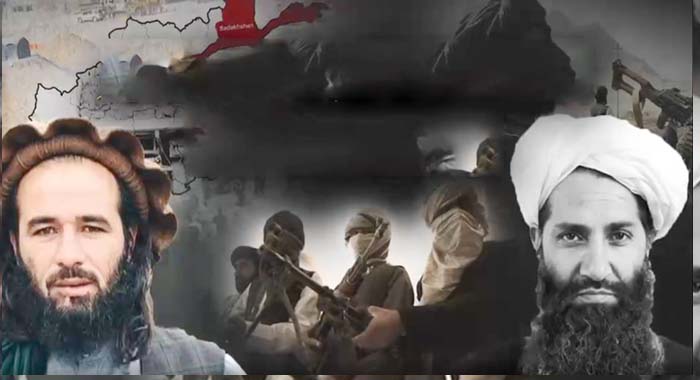
Afghanistan is witnessing increasing political and security tensions as reports indicate growing disagreements within the ruling Taliban administration and the emergence of new armed opposition activities in parts of the country.
According to reports, the Taliban regime’s governance policies and disputes over control of resources have intensified internal divisions, creating a challenging security environment in several provinces, particularly Badakhshan.
Reports from Afghan media outlets, including Afghanistan International, indicate that former Deputy Governor and Tajik commander Juma Khan Fateh has intensified military preparations and organizational efforts against the Taliban administration in Badakhshan. The situation in the province has reportedly become increasingly tense amid escalating differences between the two sides.
Sources cited in the reports claim that Commander Juma Khan Fateh has been mobilizing supporters, organizing forces, and holding consultations with local elders. Despite reported attempts by Taliban authorities to initiate dialogue and offer positions within the government structure, Juma Khan Fateh has allegedly rejected returning to the existing administration.
The reports further state that his forces have been placed on heightened alert and preparations have been made regarding both military and logistical arrangements. Juma Khan Fateh reportedly believes that the mountainous terrain of Badakhshan could make any military operation in the region significantly challenging.
The developments come amid reports of the emergence of multiple armed movements opposing Taliban rule, including the National Resistance Front, Afghan Freedom Front, Afghan Green Trend, and groups associated with Juma Khan Fateh.
Analysts have stated that continued political disputes, governance challenges, and competition over resources have contributed to increasing fragmentation among various Afghan factions. They suggest that the rise of multiple opposition movements reflects growing dissatisfaction among segments of the population regarding the current political situation.
The evolving situation in Badakhshan highlights the complex security dynamics facing Afghanistan, where internal rivalries, armed mobilization, and political disagreements continue to shape the country’s future trajectory.
Further developments are expected as regional and international observers continue monitoring the situation and its potential implications for Afghanistan’s stability and security. The international community continues to emphasize the importance of inclusive governance, political stability, and the protection of civilian interests in Afghanistan.



