
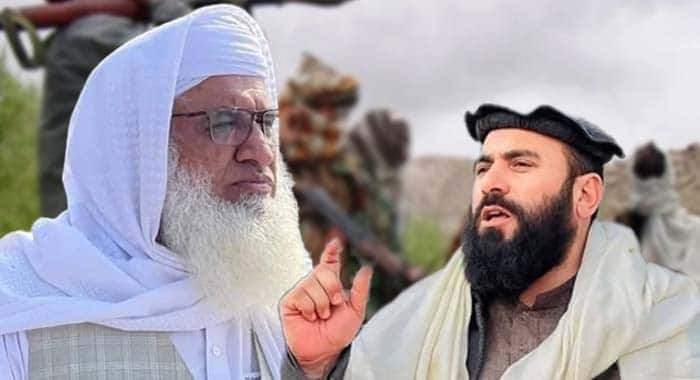
The targeted killing of Maulana Muhammad Idris in Charsadda adds to a growing list of targeted attacks on religious and political figures across the province.
The scholar was shot near a funeral ground in Utmanzai and later succumbed to his injuries. Two police personnel assigned to his security were also critically injured in the attack.
This incident follows earlier killings, including Pir Ibrahim in Tangi, Maulana Khan Zeb in Bajaur, and attacks on religious institutions in Akora Khattak and South Waziristan.
A Pattern Beyond Isolated Incidents
Individually, these incidents may appear as targeted acts. Collectively, they reveal a pattern of systematic targeting.
Religious figures, political actors, and community influencers are increasingly becoming focal points, suggesting an attempt to:
create fear within communities
disrupt local leadership structures
weaken social cohesion
1. Strategic Targeting of Influence
Religious scholars hold social authority; their targeting amplifies psychological impact beyond the immediate act of violence.
2. Expanding Target Profile
The pattern is no longer limited to political figures, it now includes religious leadership, indicating broader destabilization intent.
3. Public Reaction and Pressure
Growing criticism from local communities reflects rising frustration and demand for visible security measures and accountability.
The killing of Maulana Muhammad Idris, responsibility claimed by ISKP, is not an isolated incident but part of a wider trajectory of targeted violence. The continuation of such incidents underscores the need for enhanced protective frameworks for vulnerable figures and a more proactive disruption of networks responsible for these attacks.



