
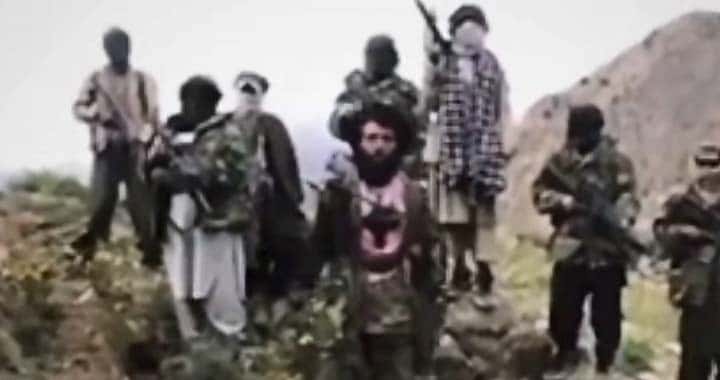
The reported defection of a key Taliban commander in Afghanistan’s Baghlan province to the National Resistance Front (NRF) marks a significant development in the evolving political and security landscape of Afghanistan, highlighting growing challenges to the Taliban’s internal cohesion and authority.
The development comes amid increasing reports of Taliban personnel abandoning the ranks of the ruling administration and joining anti-Taliban resistance movements. The departure of a senior commander is particularly significant, as it raises questions about internal confidence, loyalty and the ability of the Taliban leadership to maintain unity within its security establishment.
The defection also carries symbolic importance. A commander who once served within the Taliban’s own ranks joining an organisation actively opposing its rule represents a notable shift in allegiance and reflects the existence of dissent within the movement’s security structure.
The reported defections are unfolding against a wider backdrop of armed opposition, internal disagreements and mounting dissatisfaction with Taliban governance.
The National Resistance Front, alongside other anti-Taliban movements, continues to challenge the Taliban through political mobilisation and armed resistance. Recent assessments by conflict-monitoring organisations have also documented an expansion in armed opposition activity across several Afghan provinces.
According to the Armed Conflict Location & Event Data project (ACLED), armed clashes involving anti-Taliban opposition groups nearly doubled between January and October 2026 compared with the same period in 2025. The organisation also recorded opposition-related clashes across 28 of Afghanistan’s 34 provinces during this period.
These developments indicate that opposition to Taliban rule is not confined to a single geographical area, although the resistance remains fragmented and its overall capacity to challenge Taliban control nationwide remains limited.
The reported defection from Baghlan has also brought renewed attention to local grievances and dissatisfaction with Taliban rule. Resistance movements have sought to capitalise on these grievances, particularly in areas with a history of opposition to Taliban control.
NRF leadership has cited cooperation from local communities and growing dissatisfaction with the Taliban as factors supporting its activities. However, the extent of popular support varies across regions and requires independent assessment.
The evolving situation suggests that the Taliban’s challenge is not limited to maintaining control over territory. It also involves retaining the loyalty of personnel within its own ranks and addressing growing political and social discontent.
The reported departure of Taliban personnel, combined with the expansion of armed opposition activity, presents an important test for the ruling authorities in Kabul.
A governing structure that relies heavily on internal loyalty and security cohesion faces significant difficulties when serving commanders begin changing sides. Such developments can further expose internal divisions, weaken institutional confidence and intensify questions about the long-term stability of Taliban rule.
The international community must also pay attention to the political and security developments unfolding inside Afghanistan, particularly the growing divide between the ruling authorities and various opposition movements.



