
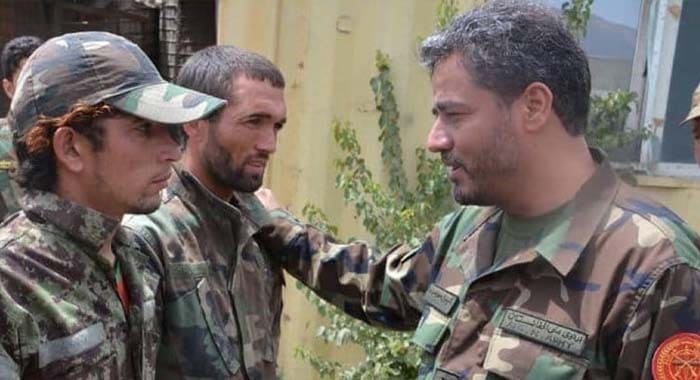
Afghanistan’s anti-Taliban resistance movements are increasingly drawing attention from regional security observers, with the Afghan United Front (AUF), led by General Sami Sadat, and the Afghan Freedom Front (AFF), led by General Yasin, emerging as two prominent forces challenging the Taliban regime across southern, southeastern, and northeastern Afghanistan.
Assessments by security observers suggest that both resistance movements are maintaining pressure on Taliban positions, despite the regime’s increased military deployments and efforts to consolidate control in areas where resistance activities have been reported. Their continued presence highlights the challenges facing the Taliban in establishing uncontested authority across the country.
Among the two movements, General Sami Sadat’s Afghan United Front is attracting particular attention for its reported performance in southern and southeastern Afghanistan, including areas traditionally considered the Taliban’s political and ideological strongholds. Operating in some of the most challenging regions for an anti-Taliban movement, AUF is reportedly inflicting significant losses on Taliban forces while sustaining comparatively fewer casualties of its own. These assessments have brought renewed attention to General Sadat’s military leadership, strategic approach, and ability to challenge the Taliban in its traditional heartland.
Meanwhile, General Yasin’s Afghan Freedom Front continues to present resistance in northeastern Afghanistan, where Taliban forces have reportedly increased their deployments to counter its activities. Although AFF has demonstrated its willingness to maintain pressure on the regime, reports of comparatively higher casualties raise important questions about its operational sustainability, force protection, and long-term effectiveness. The movement faces the challenge of maintaining its resistance while addressing the human cost of continued confrontation.
The situation also presents a significant test for the National Resistance Front (NRF), particularly its military wing under General Saleh Registani. Despite the NRF’s established political and military profile, the organization has yet to demonstrate comparable battlefield momentum in the current phase of resistance. The loss of senior and experienced figures in recent confrontations has further raised questions about its military organization, leadership continuity, and ability to reassert its presence on the ground.
The broader picture suggests that the Taliban regime is facing multiple challenges from different geographical directions. Its increased deployment of forces in areas where resistance movements operate indicates that the regime continues to regard these fronts as security concerns. However, the long-term significance of these developments will depend on the resistance movements’ ability to maintain organizational cohesion, political credibility, and public support.
For Afghanistan’s future, the emergence and continued activities of these resistance movements raise important questions about the durability of Taliban rule, the prospects for an inclusive political settlement, and the possibility of a future in which Afghans can determine their country’s direction without coercion.
The central question is no longer simply whether resistance to the Taliban exists, but how sustainable, coordinated, and politically consequential these movements can become.



