
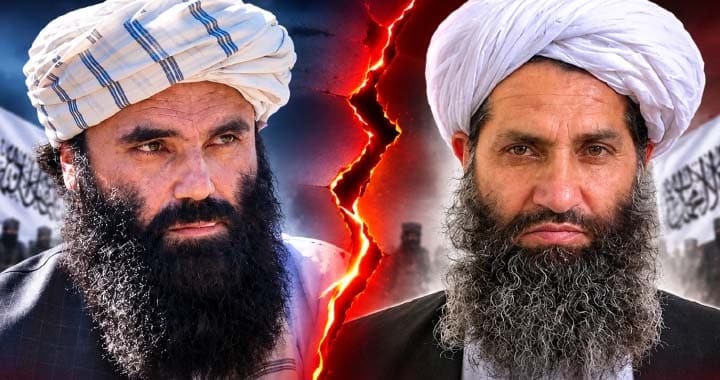
In a significant indication of continuing internal disagreements within the Taliban leadership, Sirajuddin Haqqani, the Taliban’s Interior Minister, has openly acknowledged that many people within the group remain opposed to the policies and decisions of its supreme leader, Mullah Hibatullah Akhundzada.
Speaking at a gathering at Kabul University on Monday, November 16, Haqqani highlighted the importance of institutional authority over individual dominance, arguing that no single individual should be considered paramount in an Islamic system. Instead, he maintained that the system itself must take precedence over the personal views and preferences of any one individual.
In a pointed observation, Haqqani cautioned that allowing personal opinions to become the ultimate basis for resolving government affairs would make the entire system dependent on one individual. His remarks have drawn attention to the apparent differences within the Taliban’s own leadership over governance, decision-making, and the concentration of authority.
The acknowledgment is particularly significant given the Taliban leadership’s highly centralized governing structure, in which Mullah Hibatullah exercises supreme authority over major political, administrative, and policy decisions. Haqqani’s remarks bring renewed attention to questions surrounding internal consultation, institutional independence, and the extent of disagreement within the ruling establishment.



