
Pakistan has raised serious concerns regarding what it describes as the selective approach of the United Nations Assistance Mission in Afghanistan (UNAMA) in addressing terrorism-related issues, questioning the mission’s neutrality and consistency in dealing with security developments in Afghanistan.
According to Pakistan’s position, UNAMA has repeatedly highlighted allegations of civilian casualties whenever Pakistan conducts operations against terrorist hideouts inside Afghanistan. However, Pakistan contends that the mission has remained silent regarding incidents that it says involve the public glorification and support of individuals accused of carrying out terrorist attacks.
Pakistani officials argue that such an approach creates the perception of double standards in addressing terrorism and undermines the principle of impartiality expected from an international organization operating under the mandate of the United Nations.
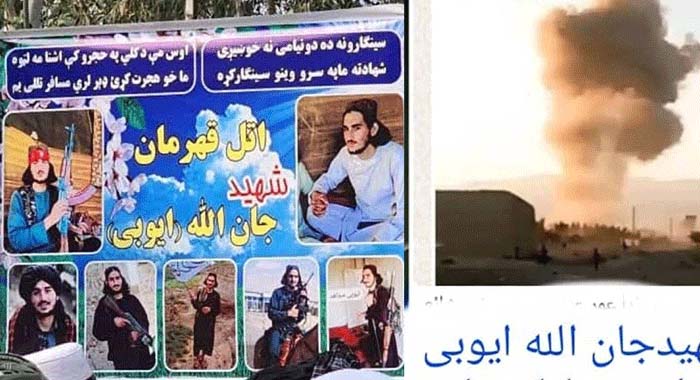
Pakistan cited the case of Janullah alias Zahid Ayubi, an Afghan national from Mohmand Dara District in Nangarhar Province, who, according to Pakistani authorities, was involved in the suicide attack on Cadet College Wana in South Waziristan on 10 November 2025.
According to Pakistan’s account, a condolence gathering was held on 22 December 2025 following his death, attended by senior officials of the Taliban administration. Pakistan further alleges that photographs and posters of the deceased were prominently displayed during the event, portraying him in a manner that amounted to public glorification.
Pakistan has questioned why UNAMA did not publicly condemn or comment on the reported event, arguing that silence in the face of the alleged public honoring of individuals accused of terrorism raises legitimate concerns regarding consistency in the mission’s public positions.
Officials maintain that counterterrorism efforts require a principled and uniform approach, irrespective of the identity or affiliation of those involved. They argue that condemning violence selectively weakens international efforts aimed at combating terrorism in all its forms.
Pakistan further emphasized that all acts of terrorism, including suicide attacks targeting civilians and educational institutions, should be unequivocally condemned. It stressed that any perceived inconsistency in responding to such incidents risks undermining confidence in international institutions tasked with promoting peace, security, and human rights.
The statement reiterated Pakistan’s long-standing commitment to combating terrorism and called upon international organizations to adopt an objective, balanced, and transparent approach when reporting on security developments in the region.
Pakistan emphasized that impartiality and equal application of international principles remain essential for maintaining the credibility of global institutions and strengthening collective efforts against terrorism.



