
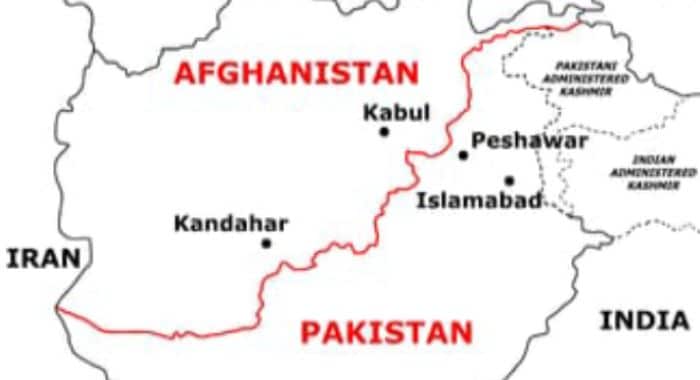
Amid escalating cross-border tensions and growing security challenges, analysts and policy observers emphasize the urgent need for sustained diplomatic engagement between Pakistan and Afghanistan to prevent further deterioration of regional stability.
Pakistan’s concerns regarding cross-border terrorism, particularly the persistent threat posed by the Tehreek-e-Taliban Pakistan (TTP), remain significant and rooted in ongoing security incidents along the shared frontier. At the same time, Afghanistan’s concerns regarding regime stability, civilian protection, refugee movements, and economic pressure are also widely acknowledged as pressing national challenges.
Observers underline that neither side can achieve long-term peace through unilateral military actions, airstrikes, border closures, or reciprocal accusations. Instead, continued confrontation is viewed as a factor that risks strengthening militant networks, deepening mistrust, and destabilizing broader regional security dynamics.
Pakistan and Afghanistan remain closely connected through geography, trade corridors, shared cultural and ethnic ties, and historical linkages. Experts caution that prolonged hostility between the two neighbors could create further operational space for extremist elements operating across the border regions.
Analysts further note that in a broader geopolitical context marked by heightened tensions in the region, including developments involving Iran and external powers, regional actors would benefit from coordinated positions that prioritize peace, stability, and de-escalation. The absence of unified regional diplomacy, they argue, may contribute to further fragmentation and insecurity.
Policy experts stress that the way forward lies in structured and sustained dialogue, enhanced intelligence-sharing mechanisms, improved border coordination, and the development of verifiable counterterrorism frameworks that are mutually acceptable to both Islamabad and Kabul.
They further highlight the importance of expanding economic engagement and connectivity initiatives that can create shared incentives for stability and reduce reliance on coercive measures.
Regional stakeholders, including China and other neighboring countries, are viewed as potential facilitators in supporting confidence-building measures and dialogue frameworks. However, experts emphasize that the primary responsibility for de-escalation rests with Pakistan and Afghanistan themselves, who must prioritize cooperation over confrontation.
Security analysts conclude that a stable Afghanistan is intrinsically linked to Pakistan’s long-term security interests, just as a peaceful and stable Pakistan contributes directly to Afghanistan’s internal stability and regional integration.
They caution that continued tensions risk undermining regional development prospects and empowering non-state actors who thrive in environments of instability and distrust.
The situation underscores an urgent need for pragmatic diplomacy, sustained engagement, and a shift away from reactive security measures toward long-term cooperative frameworks.



