
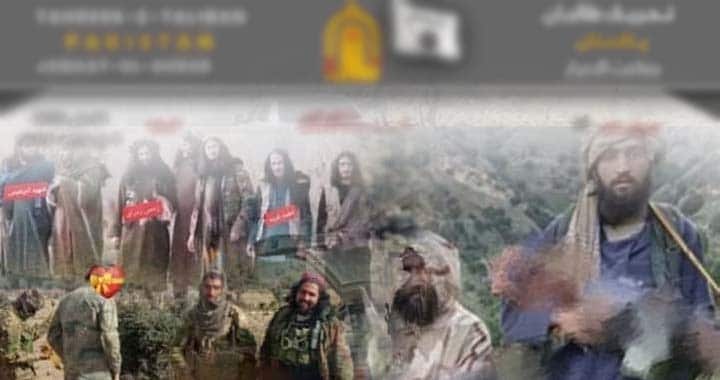
A fresh statement issued by Jamaat-ul-Ahrar (JUA) has exposed deepening divisions within Fitna al-Khwarij, with the group alleging that 10 of its fighters remain missing following last week’s deadly confrontation with a rival faction linked to Noor Wali Mehsud-led TTP.
In a statement released on the group’s official letterhead, JUA claimed that the missing members were taken captive during or after the clashes and are currently being held by the rival faction. The group further accused its opponents of subjecting the detainees to physical and psychological torture, describing their treatment as inhumane.
The statement warned that JUA would hold the rival faction responsible for the fate of the missing fighters and vowed to avenge every member killed during the confrontation.
The allegations mark a significant escalation in an already bitter internal dispute that has left multiple terrorists dead and exposed growing fractures within the broader Fitna al-Khwarij network.
The latest development stems from a deadly clash between armed groups led by terrorist commanders Kazim and Mumtaz Ummati. Law enforcement officials had earlier confirmed that the confrontation resulted in heavy casualties on both sides.
Official assessments indicated that at least 18 JUA terrorists and three members of the rival Kazim faction were killed during the fighting. Among those eliminated was commander Mumtaz Ummati himself, a major figure within one of the warring factions. Subsequent findings also revealed that 10 Afghan nationals were among the 18 JUA terrorists killed during the clashes.
From Battlefield Losses to Public Accusations
Security analysts say the latest statement suggests the conflict has moved beyond an armed confrontation and entered a phase marked by retaliation threats, mutual accusations and an increasingly public power struggle.
What makes the development particularly notable is that JUA chose to issue the allegations openly rather than resolve the matter internally, a sign that mistrust between the rival factions may have reached unprecedented levels.
Observers note that terrorist organizations typically attempt to conceal internal disputes to project unity and strength. The public accusations of captivity, torture and enforced disappearance indicate a widening rift that could further weaken cohesion within the network.
The allegations also cast fresh light on the intensity of the recent fighting. While previous reports focused on the number of terrorists killed, the JUA statement suggests the consequences of the clash may extend beyond battlefield casualties, with questions now emerging over the fate of those allegedly captured.
Analysts believe the episode reflects growing competition among rival factions over influence, resources and operational control. Such divisions have historically triggered further violence, revenge attacks and fragmentation within terrorist organizations.
For now, the JUA statement has added a new dimension to one of the deadliest episodes of infighting within Fitna al-Khwarij in recent years, indicating that although the gunfire may have subsided, the internal conflict is far from over.



