
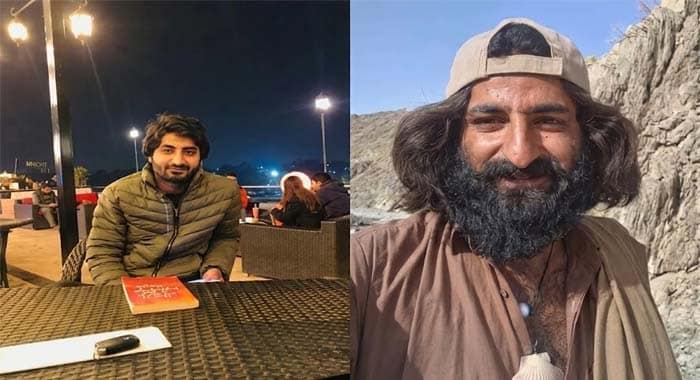
The case of Lal Khan Nawaz, an MBBS student at Bolan Medical College in Quetta who allegedly abandoned his medical education and later became associated with the banned Baloch Liberation Army (BLA), has brought renewed attention to concerns surrounding the radicalization of young people and the diversion of promising students toward militancy.
According to information circulating on social media and other reports, Nawaz was pursuing his medical education at Bolan Medical College under a Government of Balochistan scholarship. His academic path was reportedly aimed at enabling him to qualify as a doctor and eventually serve communities in his home region.
The reports, however, state that he subsequently discontinued his medical studies and joined the banned militant organization. He was later reportedly killed during an encounter with security forces in the course of a security operation.
The reported trajectory from a government-supported medical education to alleged involvement with an armed militant organization has raised serious questions about the factors that can influence young people to abandon education, professional opportunities and civilian careers in favor of violent extremist networks. Nawaz’s reported enrollment in an MBBS program represented a significant educational opportunity.
Medical education is among the most demanding professional paths, requiring years of academic preparation, clinical training and personal commitment. For a student receiving a government scholarship, such an opportunity also represents an investment by the state in developing skilled professionals capable of contributing to society.
The reported decision to leave that path therefore carries consequences extending beyond the individual. A young person preparing to enter the medical profession has the potential to contribute to public health, provide medical assistance to underserved communities and become an important member of the local healthcare system. The reported abandonment of that trajectory illustrates the profound impact that radicalization and militant recruitment can have on individual futures.
Information circulating publicly alleges that after leaving his medical studies, Nawaz became associated with the BLA and subsequently participated in activities against security forces. He was reportedly killed during a clash with security forces in a security operation. The circumstances surrounding his alleged recruitment, activities and death require careful verification through authoritative sources. Nevertheless, the case has generated concern because of the broader implications associated with young people becoming involved with armed organizations.
When students abandon education and professional careers for militant activity, the consequences can extend to their families, educational institutions and wider communities.
The reported case also highlights a broader concern confronting societies affected by militancy: the vulnerability of young people to extremist narratives. Young people can be particularly susceptible to political, ideological or militant messaging when it offers a sense of identity, purpose, grievance or belonging.
For families and communities, the consequences can be devastating. A student who once represented a family’s hopes for a stable and successful future may become exposed to violence, criminal networks and life-threatening circumstances. Educational opportunities can be lost, family relationships can be placed under enormous strain and communities can lose individuals who might otherwise have contributed positively to society.
The challenge, therefore, extends beyond counterterrorism operations. It also involves creating conditions in which young people can pursue education, employment, civic participation and legitimate avenues for addressing grievances.
The reported background of Nawaz makes the case particularly significant. A government scholarship had reportedly provided him with access to medical education an opportunity that could have transformed not only his own life but also the lives of people in his community.
Education can provide young people with professional skills, economic independence and a constructive sense of purpose. In regions facing socioeconomic and security challenges, access to quality education can be particularly important in providing alternatives to violence and extremist recruitment. The loss of a student from an educational institution is therefore more than an individual tragedy. It can represent the loss of potential for an entire community.
The consequences of militancy are frequently measured through casualties and security incidents, but the social impact is considerably broader. Families can lose sons, brothers and future breadwinners. Communities can lose teachers, doctors, engineers, entrepreneurs and other young professionals who could have contributed to local development.
In this context, the reported case raises difficult questions about how societies can protect young people from recruitment into violent organizations while ensuring that legitimate social, political and economic concerns are addressed through peaceful means. Families, educational institutions, civil society and government authorities all have a role to play in creating environments in which young people can identify constructive alternatives to militancy.



