
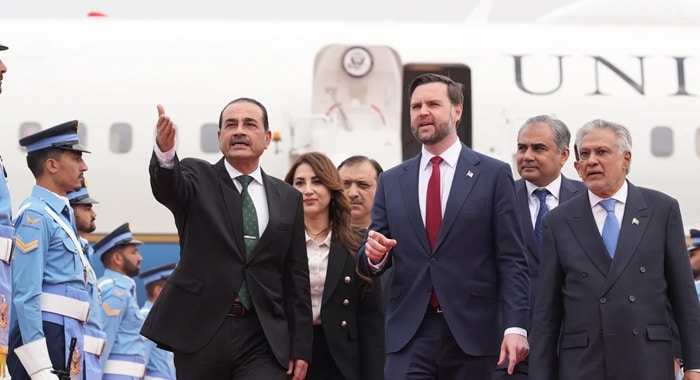
Pakistan has emerged as a central diplomatic facilitator in ongoing efforts to advance United States–Iran dialogue, as coordinated civilian and military engagements across multiple regional capitals helped pave the way for a proposed second round of peace talks expected to take place in Islamabad this week.
According to multiple diplomatic and policy sources, Pakistan’s leadership undertook an intensive and coordinated diplomatic effort over several days aimed at sustaining momentum from earlier US–Iran discussions. The proposed talks in Islamabad follow a first round of face-to-face engagement held on April 11, which marked the most significant direct contact between the two sides in decades.
The diplomatic initiative reportedly involved parallel engagements by Pakistan’s civilian and military leadership. Field Marshal Asim Munir conducted a multi-day visit to Tehran, during which Iranian officials indicated he carried proposals linked to ongoing negotiations with the United States. His discussions were described by Pakistani and regional sources as an important step in maintaining communication channels between the two sides.
At the same time, Prime Minister Shehbaz Sharif and the Foreign Minister undertook a rapid diplomatic tour of key regional partners, including Saudi Arabia, Qatar, and Türkiye, aimed at securing broader regional alignment and support for continued dialogue.
Observers describe the coordinated approach as reflective of Pakistan’s hybrid civil-military decision-making structure in foreign policy, particularly in high-stakes regional diplomacy.
Analysts note that while the initial round of US–Iran talks did not result in a final agreement, it did establish direct communication channels between the two sides for the first time in years. Pakistan is reported to have played a facilitating role in maintaining these lines of communication following the initial meeting.
Field Marshal Munir also participated as one of the Pakistani mediators present during the April 11 discussions in Islamabad, underscoring Pakistan’s direct involvement in the facilitation process.
A Pakistani official, speaking, described the military leadership’s role as central in managing sensitive diplomatic engagements of this nature, stating that Field Marshal Munir’s engagement was “important” in helping bring both parties back to the negotiating table. The official further suggested that trust-based relationships between key stakeholders have been instrumental in sustaining dialogue momentum.
A policy analyst cited in the report noted that Pakistan’s strategy has involved a division of diplomatic responsibilities, with military leadership focusing on direct engagement with Iranian counterparts, while civilian leadership engaged regional states with established foreign policy frameworks.
Security measures in Islamabad have reportedly been heightened in anticipation of the potential second round of talks, reflecting the sensitivity and importance of the negotiations.
Field Marshal Munir’s growing international profile has coincided with an expanded role for Pakistan’s military in governance and foreign policy coordination. His engagement with global counterparts, including United States President Donald Trump, has been described by analysts as a contributing factor in facilitating backchannel diplomacy.
Experts suggest that personal and institutional relationships have played a role in enabling communication across complex geopolitical divides, particularly in facilitating engagement with Iranian leadership and sustaining US participation in dialogue.
The increasing prominence of military leadership in diplomatic affairs has sparked ongoing debate within Pakistan regarding the balance between civilian governance and military influence. Critics and opposition figures have raised concerns that recent constitutional and institutional developments may have implications for democratic processes, while the military has consistently rejected allegations of interference in civilian governance.
Despite these debates, policy observers note that both civilian and military leadership are currently operating in close coordination within Pakistan’s foreign policy framework.
Analysts further suggest that Pakistan’s diplomatic approach reflects a broader effort to position itself as a regional facilitator in sensitive international negotiations. By maintaining communication channels between Washington and Tehran while engaging key regional actors, Islamabad has sought to contribute to de-escalation and structured dialogue.
Former military and policy officials cited in the report argue that sustained engagement by trusted intermediaries has been critical in bridging gaps between negotiating parties, with Pakistan playing a unique role in facilitating indirect and direct communications.
As preparations continue for a potential second round of US–Iran talks in Islamabad, Pakistan’s coordinated diplomatic activity underscores its emerging role as a key facilitator in regional conflict resolution efforts. While final outcomes remain uncertain, the continuation of dialogue marks a significant development in one of the world’s most sensitive geopolitical negotiations.



