
Recent remarks attributed to a spokesperson of the Afghan Taliban (TTA) have sparked renewed debate among analysts and officials regarding cross-border tensions and the broader security environment between Afghanistan and Pakistan.
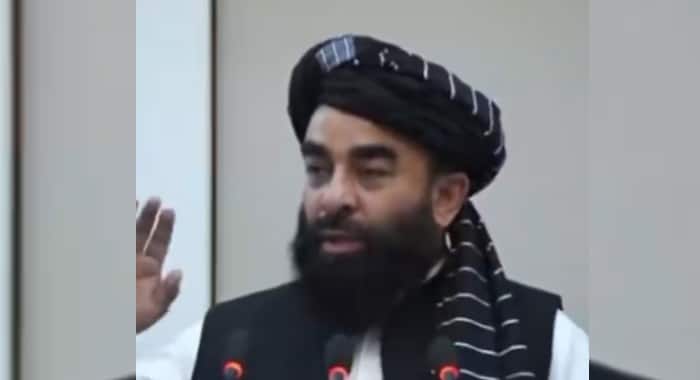
In a widely circulated video statement, Taliban spokesperson Zabihullah Mujahid highlighted the role of media during recent periods of heightened border tensions. In his remarks, he described national media outlets as playing a supportive role alongside state institutions, stating that they had worked “in the interest of the country” and stood “alongside military and defense forces” during developments involving Pakistan.
The comments have drawn attention from policy observers and officials, who view such statements as significant in the context of ongoing regional security concerns. Analysts note that public messaging by official representatives can offer insight into broader strategic thinking and internal narratives.
A senior Pakistani official, described the remarks as “concerning,” arguing that they may reflect a hardened stance in Kabul’s approach toward Pakistan. The official suggested that endorsement of narratives perceived as hostile could complicate efforts aimed at improving bilateral relations and addressing shared security challenges.
The official further emphasized longstanding concerns in Pakistan regarding the presence and activities of Tehreek-e-Taliban Pakistan (TTP) elements across the border. Islamabad has repeatedly called for effective action against such groups, stressing that cross-border militancy remains a key obstacle to regional stability.
According to the official, Pakistan continues to advocate for a peaceful and stable Afghanistan, highlighting that constructive engagement and mutual security cooperation are essential for both countries. However, the official added that concerns persist over the need for concrete measures to address militant safe havens and prevent the use of territory for activities targeting neighboring states.
Security analysts caution that statements made in public forums—particularly during periods of heightened tension should be interpreted within a broader geopolitical and informational context. They note that messaging, including references to media alignment and national interest, can serve multiple purposes, ranging from domestic signaling to external positioning.
The developments come amid ongoing efforts by regional stakeholders to manage cross-border tensions and strengthen mechanisms for dialogue and cooperation. Observers emphasize that sustained engagement, transparency, and coordinated security measures remain critical to reducing mistrust and preventing escalation.



