
The recent surge in terror attacks across Khyber Pakhtunkhwa, particularly in southern districts such as Bannu, Lakki Marwat, Tank, and parts of the tribal belt adjoining Afghanistan, has once again pushed Pakistan’s western security landscape into sharp regional focus. Cross-border infiltration attempts, targeted terrorist attacks, and recurring violence against security forces and civilians have reinforced Islamabad’s long-held position that terrorist safe havens inside Afghanistan remain the central driver of instability in the region.
For years, Pakistan has consistently warned regional and global powers that the presence of terrorist networks inside Afghanistan poses a direct threat not only to Pakistan’s security but also to wider regional peace. Recent developments have increasingly validated that position. From the banned Tehreek-e-Taliban Pakistan to other transnational terrorist outfits operating in Afghan territory, the threat architecture has expanded rather than diminished following the Taliban’s return to power in Kabul.
What makes the situation strategically complex is the contradictory international approach toward Afghanistan.
Russia, for instance, openly acknowledges that Afghanistan hosts more than twenty foreign and international terrorist organizations and repeatedly expresses concern regarding the country becoming a hub for regional instability. Yet at the same time, Moscow continues political and economic engagement with the Taliban administration and has moved toward formal diplomatic normalization. Russian officials frequently argue that the Taliban are in effective control of Afghanistan and therefore must be engaged pragmatically.
The United States, meanwhile, appears increasingly detached from the Afghan file compared to previous years. Afghanistan no longer dominates Washington’s strategic discourse as it once did, and the Taliban issue appears pushed toward the foreign policy back burner amid broader geopolitical priorities elsewhere.
China remains the only major regional power that has consistently demonstrated visible pragmatism regarding Pakistan’s security concerns. Beijing has repeatedly supported regional dialogue mechanisms and counterterror coordination while encouraging political engagement between Islamabad and Kabul. Recent China-mediated efforts and tribal jirga contacts between elders from Kunar and Bajaur reflected a possible opening for reducing tensions along the frontier.
Pakistan welcomed such initiatives because Islamabad’s approach toward Afghanistan has, for the most part, remained restrained rather than offensive. Despite repeated provocations, cross-border attacks, and infiltration attempts, Pakistan has largely responded within the framework of defensive retaliation, most notably under Operation Ghazb-e-Haq. Islamabad’s position has remained centered on defending territorial integrity and dismantling immediate threats rather than pursuing prolonged escalation.
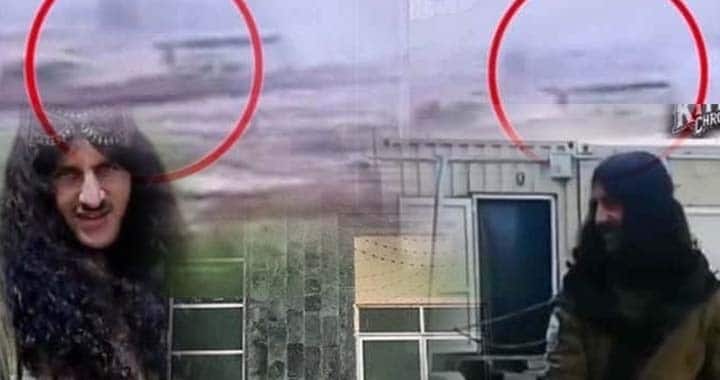
However, recent developments have intensified concerns within Pakistan’s security circles that conciliatory gestures are repeatedly being answered with terrorist facilitation from Afghan soil. The neutralization of operatives linked to Afghan Taliban special units in terror attacks, or during infiltration attempts alongside banned TTP terrorists has further sharpened suspicions regarding direct or indirect involvement by elements operating from across the border.
This evolving reality also intersects with growing internal pressure within Khyber Pakhtunkhwa, where questions continue to surround governance priorities, counterterror coordination, and political contradictions amid resurging violence. While Pakistan’s armed forces continue kinetic and intelligence-based operations under the broader framework of Azm-e-Istehkam and the National Action Plan, political inconsistency at the provincial level risks complicating national counterterror cohesion at a sensitive time.
The core reality now confronting the region is straightforward: Pakistan cannot be expected to absorb continuous terrorist violence while exercising limitless restraint. No sovereign state can remain passive while attacks are launched directly or indirectly from across its borders. Whether threats emerge along the eastern frontier or the western one, Pakistan retains both the legal right and strategic obligation to defend its security, territorial integrity, and national stability.
And increasingly, the message emerging from Islamabad is clear: dialogue may remain open, but if terrorism continues crossing the border, Pakistan’s response will remain swift, decisive, and uncompromising.



