
Pakistan believes that sustainable peace is achieved not through confrontation, but through dialogue, mutual respect, and constructive diplomacy. At a time when global geopolitical tensions continue to challenge international stability, Pakistan reaffirms its commitment to serving as a responsible regional stakeholder dedicated to conflict prevention, regional cooperation, and long-term peacebuilding.
Pakistan’s recent diplomatic engagement in regional and international affairs has further highlighted the country’s growing role as a constructive voice for dialogue and de-escalation. These diplomatic efforts have reinforced Pakistan’s standing as a nation capable of promoting communication during periods of heightened tension while advocating political solutions over military confrontation.
As Pakistan strengthens its international diplomatic profile, the country recognizes that meaningful leadership also requires renewed focus on its own region. The time has come to transform diplomatic goodwill into a comprehensive regional peace initiative encompassing South Asia and Central Asia one built upon security, economic integration, mutual respect, and shared prosperity.
Recent regional developments have demonstrated that even serious disputes can be managed when political leadership prioritizes communication over escalation. Diplomatic engagement has repeatedly shown its ability to prevent conflict, rebuild confidence, and establish practical mechanisms for addressing complex security concerns.
Pakistan firmly believes that dialogue remains the most effective instrument of statecraft. While military responses may temporarily address immediate threats, only sustained diplomatic engagement can produce lasting peace, stability, and regional development.
The experience of recent years has reaffirmed that patient diplomacy, political maturity, and continuous communication can transform periods of crisis into opportunities for cooperation.
Pakistan remains committed to promoting peaceful coexistence throughout South Asia. The country continues to advocate constructive dialogue, confidence-building measures, and the peaceful resolution of all outstanding issues in accordance with international law and the principles of mutual respect.
Pakistan believes that regional stability cannot be achieved through perpetual confrontation or strategic rivalry. Lasting peace requires sustained engagement, open channels of communication, and a shared commitment to preventing escalation.
Pakistan will continue to support diplomatic initiatives that encourage dialogue, reduce tensions, and strengthen regional economic cooperation for the benefit of all peoples of South Asia. Among Pakistan’s highest regional priorities is the development of a stable, peaceful, and cooperative relationship with Afghanistan.
The two neighboring countries share centuries of common history, cultural heritage, religious ties, family connections, and extensive economic interaction. Geography has permanently linked their futures, making cooperation not merely desirable but strategically essential.
Pakistan believes that peace between Islamabad and Kabul would significantly enhance regional security, facilitate economic growth, strengthen border management, expand trade opportunities, and unlock the enormous potential of Central Asia.
However, achieving this objective requires addressing legitimate security concerns through practical cooperation and mutual understanding. Pakistan remains unwavering in its commitment to combating terrorism in all its forms and manifestations. The continued threat posed by terrorist organizations operating in the region remains one of the principal challenges to lasting peace. Pakistan has consistently maintained that no terrorist organization should be permitted to use the territory of any state to threaten another country.
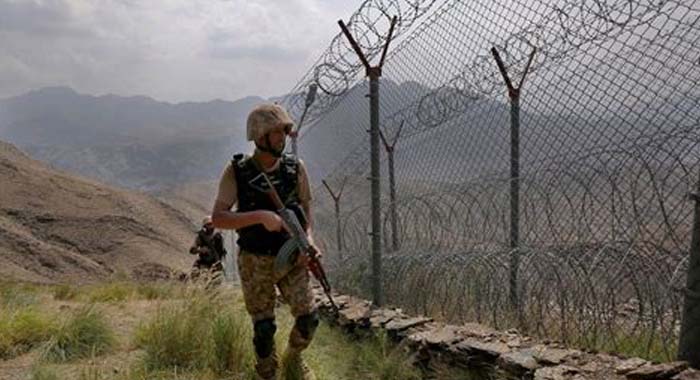
Pakistan therefore supports enhanced intelligence cooperation, coordinated border security mechanisms, information sharing, and joint efforts to eliminate terrorist safe havens while respecting the sovereignty and territorial integrity of all states. The objective is not confrontation but the creation of a secure regional environment where terrorism finds no sanctuary and where legitimate governments cooperate to protect their citizens.
Security alone cannot guarantee lasting peace. Pakistan believes that sustainable stability depends equally upon economic opportunity, education, infrastructure development, and social inclusion. Communities living along the Pakistan-Afghanistan border have endured decades of conflict and deserve greater investment in education, healthcare, employment opportunities, infrastructure, and local governance.
Empowered communities serve as the strongest defense against violent extremism and criminal exploitation. Pakistan remains committed to supporting development initiatives that improve livelihoods while strengthening resilience against radicalization.
Economic cooperation has historically served as one of the strongest foundations for peaceful relations among nations. Pakistan envisions expanded cross-border trade, improved customs facilitation, modern transportation networks, increased commercial exchanges, and enhanced regional investment as essential pillars of future stability.
Trade should unite neighboring countries rather than become a source of political tension. A prosperous region benefits all participating nations by creating shared interests that encourage moderation, cooperation, and long-term stability.
Pakistan recognizes that trust between nations is strengthened not only through official diplomacy but also through human interaction. The country supports greater educational exchanges, academic cooperation, medical access, cultural interaction, tourism, business travel, and legitimate commercial activity. Facilitating lawful movement for students, researchers, patients, entrepreneurs, and professionals can help rebuild confidence while fostering greater understanding between neighboring societies.
People-to-people engagement remains one of the most effective instruments for reducing misunderstanding and strengthening regional harmony. Pakistan’s strategic location provides an exceptional opportunity to serve as a gateway connecting South Asia, Central Asia, the Middle East, and beyond. Enhanced regional connectivity through transportation corridors, transit trade, energy infrastructure, digital cooperation, and commercial partnerships has the potential to transform geography into a driver of economic growth rather than geopolitical competition. Pakistan remains committed to supporting regional initiatives that strengthen connectivity, encourage investment, and promote sustainable development for all participating countries.
Peace requires reciprocal commitment from all stakeholders. Pakistan believes that meaningful regional cooperation depends upon mutual respect, responsible state behavior, and practical measures that address shared security concerns. Constructive engagement, transparency, effective border management, and decisive action against terrorism and transnational crime remain essential components of a stable regional order. Pakistan stands ready to work with all neighboring countries in pursuit of these common objectives.
Pakistan’s foreign policy continues to emphasize diplomacy, peaceful conflict resolution, regional cooperation, economic integration, and respect for international law. The country remains committed to serving as a constructive partner in promoting stability across South Asia, Central Asia, and the broader region. Pakistan believes that dialogue should always precede confrontation, cooperation should replace mistrust, and shared prosperity should overcome historical divisions.
History consistently demonstrates that nations willing to engage through diplomacy are better positioned to achieve lasting peace than those relying solely on confrontation. Pakistan enters this new phase of regional diplomacy with confidence, responsibility, and optimism. While challenges undoubtedly remain, they should not discourage efforts toward reconciliation, cooperation, and collective progress. The vision is clear: a peaceful neighborhood connected through trade, strengthened by mutual trust, protected against terrorism, and united by shared economic opportunity.
Pakistan reaffirms its unwavering commitment to working with regional and international partners to transform this vision into reality. Peace is not merely an aspiration it is a strategic necessity. Through dialogue, partnership, and responsible leadership, Pakistan remains committed to building a more secure, prosperous, and interconnected future for the entire region.



