
Security and administrative sources have expressed serious concern over what they describe as systematic efforts by terrorist organizations operating in Balochistan to radicalize and exploit educated youth for violent and subversive activities.
According to officials, groups including the Balochistan Liberation Army (BLA) and Balochistan Liberation Front (BLF) are actively targeting educated young individuals through coordinated propaganda campaigns, psychological manipulation, and coercive tactics. These efforts reportedly aim to mislead vulnerable youth by promoting distorted narratives of state grievances and instability.
Authorities stated that these organizations rely heavily on misinformation and ideological indoctrination, presenting distorted accounts of state institutions in an attempt to influence impressionable segments of society.
Officials further warned that in some reported cases, coercion, intimidation, and blackmail have been used to pressure young individuals into participating in violent activities, including suicide attacks. They described such practices as part of a deliberate strategy to destabilize the region by undermining the future of educated youth.
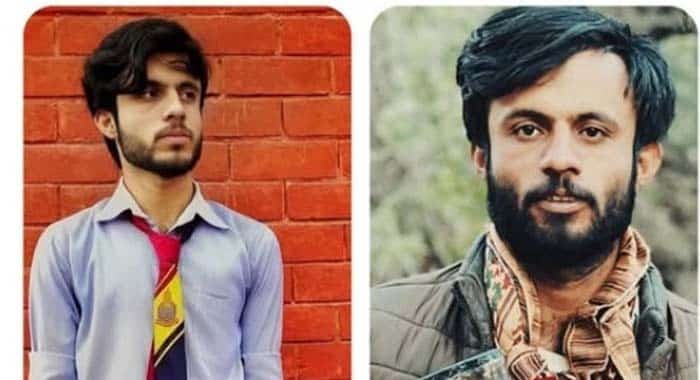
Security sources also cited the case of Gwahram Baloch, also known as Kambar, as an example of how educated youth are reportedly drawn into militant networks. Gwahram Baloch was the son of Dur Muhammad Baloch and a resident of Zamuran. He held a Bachelor’s degree in Economics from Quaid-i-Azam University (QAU), Islamabad. According to official information, he joined the BLA in 2024 and was associated with the Kulbar front, where he was assigned the rank of Patrol Command.
He was reported to have died on 26 February 2026 in Buleda, under circumstances linked to his involvement with the group. Authorities presented his case as reflective of a broader pattern in which educated individuals are recruited, radicalized, and deployed in high-risk operational roles by terrorist organizations.
Security officials emphasized that the real threat to educated youth in Balochistan stems not from state institutions, but from extremist organizations that exploit personal, social, and political grievances for violent purposes. They reiterated that these groups seek to undermine educational progress, destabilize families, and weaken long-term peace and development in the province.
Efforts, they added, are ongoing to counter extremist propaganda, strengthen community awareness, and prevent recruitment into violent networks through coordinated security and outreach measures. The statement concluded with a call for collective vigilance from families, educators, and civil society actors to help protect youth from exploitation and prevent further radicalization.



