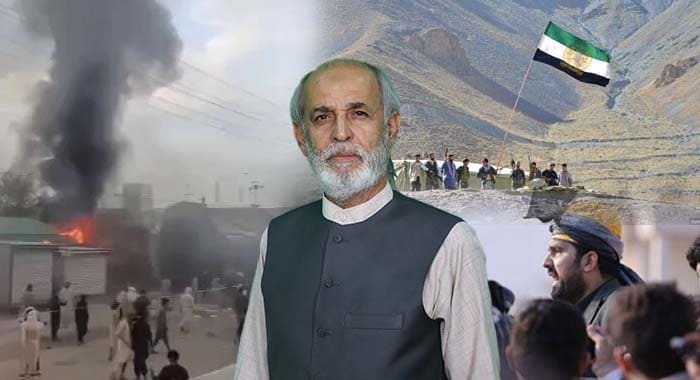
The confrontation in Bara, the new administrative experiment in Khyber Pakhtunkhwa, the re-emergence of anti-Taliban resistance, and the continuing Pakistan-Afghanistan border crisis reveal a region at a critical crossroads. Lasting stability will depend not merely on the exercise of authority, but on credible investigations, effective governance, public trust, and pragmatic diplomacy.
The security landscape of Pakistan’s northwestern region is entering another uncertain phase. Political confrontation in Khyber Pakhtunkhwa (KP), growing concerns about militant violence, questions surrounding the treatment of Afghan nationals, and renewed reports of armed resistance against the Taliban in Afghanistan are converging to create a complicated regional challenge. Meanwhile, the continuing closure of Pakistan-Afghanistan border crossings is inflicting economic hardship on traders, transporters, and communities whose livelihoods depend on cross-border commerce.
These developments are not isolated incidents. They are interconnected dimensions of a crisis involving governance, security, political legitimacy, regional diplomacy, and economic survival.
The confrontation between demonstrators and police in Bara has raised questions about the conduct of law-enforcement personnel, the treatment of local residents, and allegations of Afghan involvement. The new administrative arrangement in KP faces the formidable task of restoring security after years of instability. Across the border, the Taliban are confronting reported attacks by resistance groups, while maintaining diplomatic and commercial contacts with neighbouring countries. At the same time, Pakistan and Afghanistan remain caught in a difficult relationship in which security concerns and economic interests frequently collide. The central question is whether the region can move beyond reactive policies and political accusations towards a more sustainable framework of security and cooperation.
The events in Bara have brought the relationship between state authority and public protest into sharp focus. Following the suspension of the PTI-led provincial government and the imposition of emergency and governor’s rule, demonstrations erupted in response to the political developments. Bara, associated with Chief Minister Sohail Afridi, became an important focal point of the protests.
The demonstrations reportedly grew over Monday and Tuesday as more residents took to the streets. The situation escalated when police and protesters confronted one another, leading to allegations of the use of force, arrests, and violence.
The sequence of events requires a transparent and impartial investigation. Who initiated the violence? Was the police response proportionate to the circumstances? Were protesters engaged in peaceful political expression, or were particular individuals involved in unlawful acts? Were arrests made on the basis of specific evidence, and were the legal grounds for those arrests properly established?
These questions matter because the credibility of law enforcement depends not only on its ability to control a crowd but also on its willingness to act within the law. One of the most sensitive aspects of the Bara incident is the subsequent allegation that Afghan nationals were involved in the unrest. The available account raises the possibility that local residents were initially detained in connection with terrorism-related accusations and released later, while allegations of Afghan involvement emerged the following morning. Whether these allegations were investigated thoroughly remains an important question.
Were the Afghan nationals already residing in the area? Did they participate in the demonstration on their own initiative? Was there evidence that they had been brought in specifically to join the protest? Or did their alleged presence become a convenient explanation before the facts had been established? These possibilities cannot be treated as interchangeable. Each requires evidence, and each has different implications for the investigation. The presence of Afghan nationals in a demonstration does not, by itself, establish criminal responsibility. Similarly, undocumented immigration status, where applicable, is a separate legal question from participation in violence or terrorism. Any individual accused of a criminal offence must be assessed on the basis of evidence rather than nationality.
There is a broader institutional concern that allegations against Afghan nationals can sometimes overshadow more detailed investigations into incidents involving violence in KP. Such a concern deserves serious examination. If allegations are used to close investigations prematurely, accountability suffers and the actual causes of unrest remain unresolved. If the allegations are supported by evidence, a transparent investigation can establish that fact and identify individual responsibility. Either way, the solution is not speculation. It is a credible investigation that establishes the chronology of events, examines available video footage and other evidence, records witness accounts, reviews the legality of arrests, and determines whether misconduct occurred on either side.
Pakistan has legitimate security concerns regarding cross-border militancy and undocumented migration. But the pursuit of national security should strengthen the rule of law rather than weaken it. Collective suspicion can alienate communities, undermine public confidence, and make cooperation with law-enforcement agencies more difficult. Bara therefore represents more than a local confrontation. It is a test of whether the authorities can demonstrate that security operations and criminal investigations are governed by evidence, legality, and accountability.
The second major challenge concerns the new administrative arrangement introduced to address KP’s worsening security environment. Supporters of extraordinary administrative measures may argue that the province requires decisive intervention, stronger coordination, and a more direct response to terrorism. Given the years of insecurity experienced by many districts, the urgency of protecting citizens and restoring public order cannot reasonably be dismissed.
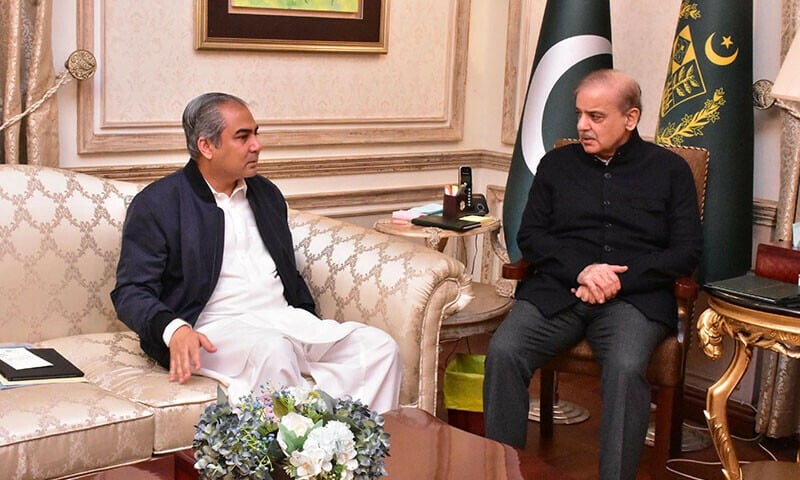
However, the establishment of a new administrative structure does not automatically produce better governance. Its effectiveness depends on the people who implement it, the information on which they rely, the resources available to them, and the degree to which they understand the realities confronting the population. A central criticism of the new arrangement is that many members of the eleven-person setup are reportedly based in Islamabad rather than in Peshawar or the affected districts of KP. This raises a fundamental question about the relationship between administrative authority and local knowledge.
Officials can receive reports, hold meetings, consult colleagues, and communicate through telephone calls or social media. Modern technology has undoubtedly made the transmission of information faster. Yet access to information is not the same as an intimate understanding of local circumstances. A policymaker receiving a briefing about Swat does not necessarily experience the insecurity that shapes the daily lives of its residents. A trader in Khyber district understands border closures through declining sales, stranded consignments, unpaid workers, and mounting debts. A police officer serving in a vulnerable locality experiences threats and operational constraints that may not be fully reflected in an administrative report.
Local knowledge matters because security challenges are shaped by history, geography, community relationships, economic pressures, and political grievances. Policies designed without sufficient engagement with affected communities risk addressing the symptoms of a problem while overlooking its underlying causes. The new administration must therefore establish a meaningful connection between central coordination and ground-level realities. Regular consultations with district officials, police personnel, elected representatives where appropriate, traders, community elders, civil-society organizations, and residents of violence-affected areas should be an essential part of its work.
The administration must also define clear responsibilities. Police, intelligence services, civilian departments, and other security institutions need effective coordination, but coordination should not create confusion over who is responsible for particular decisions or failures. Most importantly, performance must be measured through outcomes rather than announcements. Are attacks declining? Are citizens safer? Are police better equipped and supported? Are investigations producing credible results? Are displaced families able to return safely where conditions permit? Are markets reopening, and are public services functioning more effectively?
These are the measures by which the new administrative model should be judged. Emergency arrangements must also remain consistent with constitutional requirements, legal safeguards, and appropriate oversight. Extraordinary circumstances may require urgent action, but temporary measures should not become a substitute for accountable and representative governance. Khyber Pakhtunkhwa does not merely need a new structure of authority. It needs institutions capable of protecting citizens, responding to threats, delivering services, and earning public confidence.
A fair assessment of the current crisis must also examine the record of the previous PTI-led provincial administration. The deterioration of law and order, concerns about governance, allegations of corruption, and weaknesses in security coordination require serious scrutiny. These issues cannot be dismissed simply because the provincial government has been suspended or because political circumstances have changed. One particularly important concern is the reported failure to convene an Apex Committee meeting for approximately a year during a period of growing insecurity. Such committees provide a forum for political leadership and security institutions to review threats, exchange information, assess operational needs, and coordinate responses.
If regular meetings were neglected while security conditions deteriorated, questions must be asked about why warnings were not addressed more effectively and whether institutional coordination was allowed to weaken. The convening of meetings shortly after the change in administration may demonstrate a renewed emphasis on coordination. But meetings alone do not resolve terrorism. Their value depends on the quality of the decisions taken, the resources committed, and the implementation of agreed measures.
The previous administration’s record must also be assessed in its wider political context. Relations between provincial and federal authorities were strained, and political confrontation complicated the environment in which security decisions were made. Such tensions may have contributed to coordination difficulties, but they do not remove the responsibility of any government to protect its citizens. Governance failures and corruption allegations must likewise be investigated on their merits. Where evidence establishes wrongdoing, accountability should follow regardless of political affiliation. Where accusations remain unsubstantiated, they should not be treated as established facts.
The same standard must apply to the new administration. It would be a mistake to assume that the removal or suspension of one government automatically resolves the structural problems that developed under it. Security institutions may still face capacity constraints, intelligence gaps, administrative weaknesses, and distrust between communities and authorities. The new leadership must therefore do more than catalogue the mistakes of its predecessor. It must demonstrate how its policies will correct them.
Will there be regular and meaningful security reviews? Will the police receive adequate training, equipment, and operational support? Will district administrations be empowered to respond to emerging threats? Will allegations of misconduct be investigated impartially? Will corruption be addressed consistently? The people of KP need tangible improvements rather than another cycle of political blame. The previous administration should be judged by its record, and the current arrangement should be judged by its results. Neither should receive immunity from scrutiny.
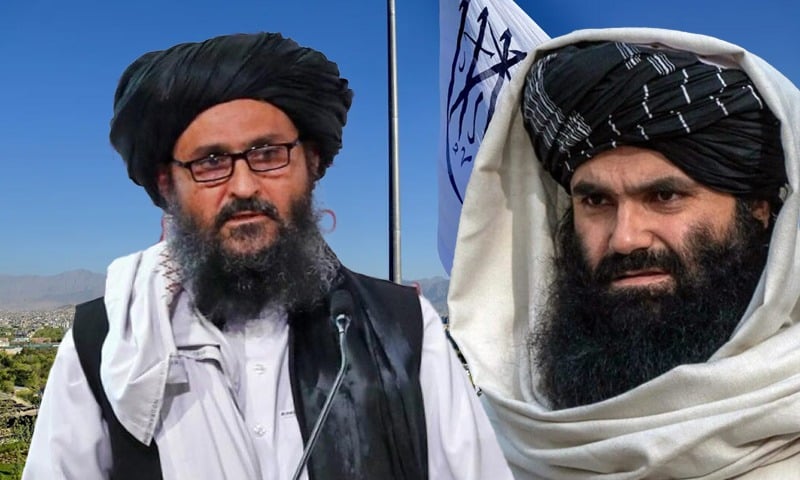
Across the border, Afghanistan is confronting its own security challenges. Reports of attacks attributed to anti-Taliban resistance groups suggest that opposition to Taliban rule remains active, even as the authorities seek to consolidate control over the country. Several incidents discussed in connection with the evolving security situation deserve attention. In Logar province, an operation around Pul-e-Alam was reportedly claimed by the Freedom Front. Other reported incidents included an attack in which three Taliban members were killed and two injured, as well as an attack in Kandahar in which two Taliban intelligence personnel, reportedly a commander and his guard, were killed.
These incidents, including the claims of responsibility and reported casualties, require independent verification. Nevertheless, they raise important questions about the resilience of Taliban security structures and the capacity of opposition groups to conduct operations in different parts of the country. Kandahar carries particular significance because of its historical and political importance to the Taliban. The reported activity of the United Front associated with Sami Sadat adds another dimension to the range of anti-Taliban organizations seeking to challenge the authorities.
Logar also deserves close attention. Its proximity to Kabul and its strategic location mean that insecurity there can have consequences beyond the immediate area. Developments in eastern Afghanistan are particularly relevant to Pakistan because of the potential implications for border security, militant movement, and regional instability. However, the appearance of resistance groups should not automatically be interpreted as evidence that the Taliban are on the verge of losing power. Isolated attacks, even serious ones, do not necessarily translate into broad popular support, sustained territorial control, or the organizational capacity required to mount a successful nationwide challenge.
The strength of resistance movements must be assessed through independently verified evidence of their operational reach, leadership, recruitment, popular support, and ability to sustain activity over time. The discussion also referred to anti-Taliban protests or resistance activity reportedly extending across 24 Afghan provinces. That figure requires independent confirmation, and peaceful demonstrations must be distinguished from armed operations. Nevertheless, the broader question remains significant: how durable can political stability be when opposition and grievances persist across different parts of the country? The Taliban’s long-term position will depend on more than its ability to conduct security operations. Political inclusion, economic opportunity, public services, freedom of expression, and the treatment of different communities will influence whether people accept the governing system or remain alienated from it.
Where peaceful avenues for political participation are restricted, grievances may become more difficult to address through institutions. This does not mean that every dissatisfied citizen supports armed resistance, nor does it establish that any particular opposition group represents the Afghan population as a whole. It means that sustainable stability requires more than coercive capacity. For Pakistan, the resurgence of anti-Taliban activity presents both risks and uncertainties. A weakening of Taliban control could alter the regional security environment, but fragmentation in Afghanistan could also create new opportunities for militant groups, illicit networks, and cross-border instability. Islamabad should therefore avoid the assumption that every opponent of the Taliban necessarily serves Pakistan’s interests. Its priority must be to assess developments objectively, protect its own territory, and pursue arrangements that reduce threats regardless of which group is responsible.
Afghanistan’s diplomatic contacts are evolving alongside its internal security challenges. The discussion referred to a meeting between India’s chargé d’affaires in Afghanistan and the Taliban-appointed prime minister to discuss bilateral matters. Such engagement reflects India’s continuing interest in Afghanistan and the Taliban authorities’ interest in maintaining diplomatic channels with regional countries.
For India, Afghanistan remains relevant to regional connectivity, humanitarian concerns, economic engagement, and the broader balance of influence in South and Central Asia. For the Taliban, engagement with India can provide diplomatic opportunities and potential avenues for practical cooperation. Pakistan has legitimate reasons to monitor these developments, particularly given the security concerns and political mistrust that have affected its relationship with the Afghan authorities. However, a diplomatic meeting should not automatically be interpreted as evidence of a formal strategic alliance or a fundamental realignment. Its significance depends on the substance of the discussions, subsequent agreements, and the extent to which diplomatic engagement produces practical results.
Pakistan’s interests would be better served by careful diplomatic assessment than by assumptions about the motives behind every contact between Kabul and New Delhi. Regional diplomacy is rarely static. Governments frequently maintain relationships with countries with which they have disagreements because communication, trade, and negotiation can serve practical interests. Afghanistan’s engagement with India should therefore be viewed as part of a wider regional picture rather than as an isolated development. The challenge for Pakistan is to protect its legitimate security interests while preserving enough diplomatic flexibility to prevent regional competition from further destabilizing its western border.
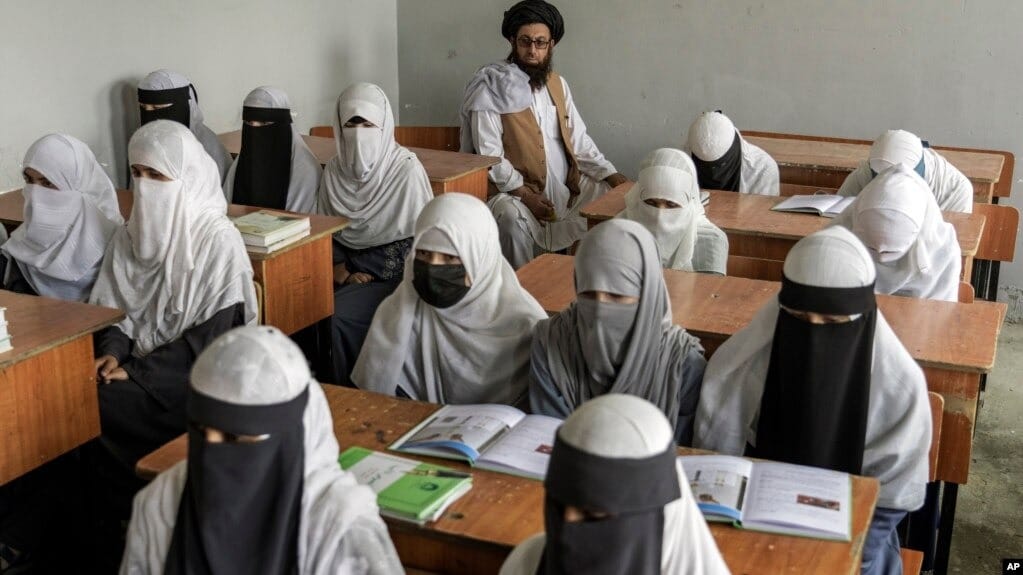
Another reported development concerned a Taliban raid in Kabul in early September on the Khatib-un-Nabiyeen complex, during which students and teachers were reportedly detained. The account also referred to action involving an imambargah and a madrassa.
The precise circumstances of the operation, the legal grounds for the arrests, the number of people detained, and their subsequent status require independent verification. Nevertheless, the incident raises broader questions about the relationship between security enforcement and religious freedom. Authorities have a responsibility to investigate credible threats and prevent violence. But operations involving religious institutions, educational facilities, and places of worship require particular care. Arrests should have a lawful basis, detainees should be treated according to applicable legal standards, and families should be able to obtain reliable information about those in custody.
When authorities fail to explain the reasons for security operations, uncertainty can deepen mistrust among affected communities. In a country where religious identity and political authority intersect, incidents involving religious institutions can have consequences beyond the immediate investigation.
It would be premature to conclude that the raid was motivated by sectarian considerations without sufficient evidence. Equally, it would be inappropriate to dismiss concerns about due process without examining what occurred. Transparency is therefore essential. Authorities should clarify the grounds for their actions, provide information about detainees, and allow credible scrutiny of any allegations of misconduct.
Security and civil liberties should not be treated as mutually exclusive. Lawful, transparent investigations can strengthen public confidence while enabling authorities to address genuine threats. Unexplained coercion, by contrast, can deepen grievances and make the task of maintaining public order more difficult. Afghanistan’s long-term stability will depend partly on whether its authorities can establish institutions that protect people while applying the law consistently.
Perhaps no issue illustrates the connection between security and livelihoods more clearly than the continuing closure of Pakistan-Afghanistan border crossings. The border is not simply a line separating two states. It is an economic corridor linking traders, farmers, transporters, warehouse operators, customs agents, and small businesses. For communities on both sides, cross-border commerce has long been an important source of income. When crossings close, the immediate effects fall on businesses and transport operators, but the consequences spread through the wider economy. Consignments are delayed, perishable goods risk being wasted, drivers lose work, commercial agreements are disrupted, and businesses face uncertainty over when normal operations will resume.
Government revenues can also suffer when legitimate trade and customs activity decline. The discussion highlighted concerns that Khyber Pakhtunkhwa has suffered economic losses because of border restrictions. It also referred to earlier warnings about closing crossings from November 1 in connection with undocumented Afghan nationals and to public statements acknowledging the damage caused by the disruption of trade. The exact economic cost requires careful measurement, but the underlying problem is clear: prolonged border closures can impose substantial burdens on communities whose livelihoods depend on predictable access to commercial routes.
Pakistan’s security concerns must be taken seriously. Islamabad has repeatedly expressed concern about militant attacks originating from Afghan territory and has sought action against groups it considers responsible. The Taliban authorities have disputed aspects of Pakistan’s accusations, and mutual distrust has complicated efforts to reach an enduring settlement. Pakistan cannot be expected to ignore credible threats simply to keep trade moving. Yet the closure of a crossing does not, by itself, resolve the underlying security dispute. Its effectiveness depends on whether it achieves clearly defined objectives and whether those objectives can be achieved through more targeted measures.
A more comprehensive approach would combine stronger screening, intelligence cooperation, lawful documentation, customs enforcement, and mechanisms for investigating specific security incidents with arrangements that allow legitimate commerce to continue where conditions permit. Immigration enforcement must also be distinguished from commercial access. The lawful entry, residence, and departure of individuals are separate policy questions from the movement of goods through regulated customs channels. Combining every dispute into a single confrontation can make practical solutions more difficult.
Border communities need predictable rules. Businesses need to know which crossings are operational, what documentation is required, and how legitimate consignments can move without unnecessary delays. Security agencies need systems that can identify threats without treating all commercial movement as inherently suspicious.
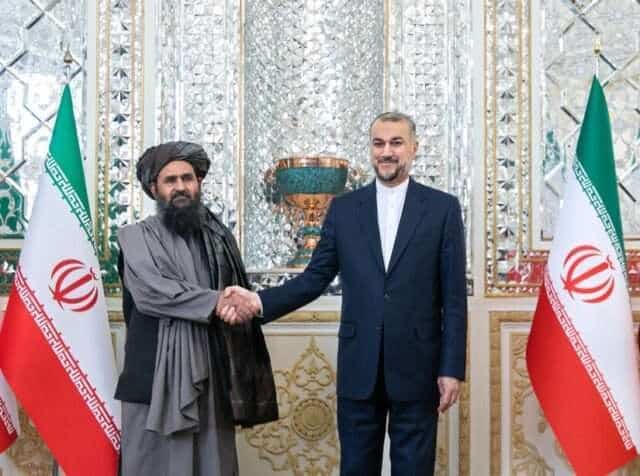
The reported trade agreement involving Iran and Afghanistan reinforces the importance of this issue. Afghanistan has economic reasons to develop alternative commercial relationships when traditional routes become unreliable. If Pakistani routes remain disrupted for extended periods, businesses may invest in alternative suppliers, transport corridors, and trading partnerships. Once these commercial networks change, reopening a crossing may not immediately restore the previous volume of trade. Businesses that have lost customers or established new routes may not return automatically.
The costs of prolonged closure can therefore outlast the political dispute that caused it. Pakistan and Afghanistan both need a practical arrangement that addresses security concerns without unnecessarily damaging the livelihoods of their citizens. Such an arrangement will require sustained negotiations, credible commitments, and a willingness to distinguish specific threats from the broader commercial relationship.
The challenges surrounding Bara, Khyber Pakhtunkhwa, Afghanistan, and the border cannot be resolved through isolated measures. They require a coordinated strategy that connects domestic governance with regional diplomacy. First, the Bara confrontation must be investigated impartially. The authorities should establish the sequence of events, examine the conduct of police and protesters, clarify the basis of arrests, and determine whether allegations against Afghan nationals are supported by evidence. Criminal responsibility must be established individually, not collectively.
Second, the new administrative arrangement in KP must demonstrate measurable improvements. Regular security reviews, stronger police capacity, reliable intelligence-sharing, engagement with affected communities, and clear accountability mechanisms should form the foundation of its work. Third, the previous PTI-led administration’s record must be examined honestly. Failures in security coordination, governance, and public accountability should be addressed wherever evidence supports the criticism. But the current administration must not use the shortcomings of its predecessor as an excuse for its own failures. Fourth, Pakistan needs a coherent policy towards Afghanistan that combines firm security requirements with sustained diplomatic engagement. Demands for action against militant groups should be specific and supported by evidence. Where possible, practical mechanisms should be developed to verify commitments and resolve disputes before they trigger further confrontation.
Fifth, border security and economic access should be treated as connected but distinct responsibilities. Regulated trade, predictable crossing procedures, and effective immigration controls can help protect national interests while reducing unnecessary economic disruption.
Sixth, developments inside Afghanistan should be monitored carefully. The activities of resistance groups, the Taliban’s security response, engagement with India, commercial ties with Iran, and the treatment of religious and educational institutions all deserve evidence-based assessment. Neither exaggerated claims nor premature conclusions will help Pakistan formulate an effective regional policy. Finally, governments on both sides must recognize that ordinary citizens should not bear an indefinite economic and social burden because political negotiations have stalled. Traders, transporters, workers, students, and families have a legitimate interest in stability and predictable rules.
From the streets of Bara to the contested security environment of Afghanistan, the region faces a difficult test of governance and political judgment. The confrontation in Bara demands answers. The new administrative arrangement in Khyber Pakhtunkhwa must prove that it can improve security and public administration. The previous provincial government’s record requires scrutiny, but political change alone cannot guarantee better outcomes. Meanwhile, reported attacks by anti-Taliban resistance groups, evolving diplomatic relationships, and the continuing closure of border crossings demonstrate how closely domestic and regional developments are intertwined.
Pakistan needs effective counterterrorism policies, capable institutions, and a credible response to cross-border threats. It also needs impartial investigations, accountable officials, economic policies that protect legitimate livelihoods, and diplomatic channels capable of resolving disputes. Afghanistan, for its part, faces the challenge of addressing internal opposition while building workable relations with its neighbours. The Taliban’s ability to maintain security will matter, but lasting stability will also depend on governance, political inclusion, economic opportunity, and respect for legal protections.
Neither country can achieve durable security by relying indefinitely on coercion or confrontation. Nor can either afford to ignore the economic and social consequences of prolonged instability. The real measure of the new approach in Khyber Pakhtunkhwa will not be the number of meetings held, the severity of official statements, or the scale of administrative changes. It will be whether attacks decline, investigations become more credible, public services improve, and ordinary people feel safer in their homes and communities. Likewise, the success of Pakistan-Afghanistan policy will depend on whether security concerns can be addressed while restoring the predictability that trade and everyday life require.
Bara needs truth and accountability. Khyber Pakhtunkhwa needs effective governance. Afghanistan needs a sustainable path towards security and political stability. The communities along the border need the opportunity to earn a living without living indefinitely under the shadow of closures and confrontation. These are not separate demands. They are different parts of the same regional challenge. The choice facing policymakers is whether to continue managing each crisis as an isolated emergency or to build a comprehensive approach based on evidence, institutional responsibility, public trust, and pragmatic diplomacy.
Security without public confidence is fragile. Authority without accountability is incomplete. And a border that remains closed without a credible path towards resolution can become an economic burden long after its immediate political purpose has faded. The future of this region will depend on whether its leaders can turn these lessons into practical action before another cycle of violence, mistrust, and economic disruption takes hold.