
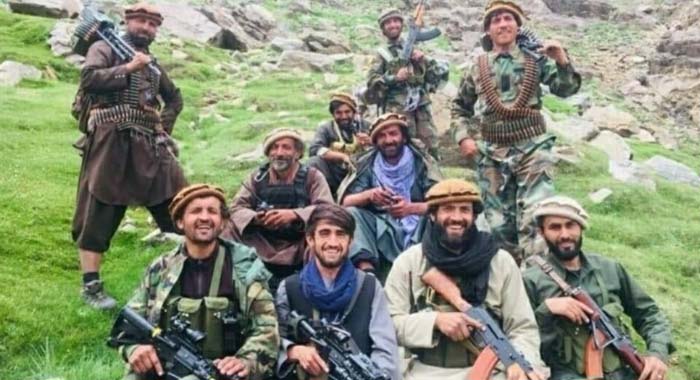
Recent developments indicate a widening armed challenge to the Afghan Taliban regime, with multiple opposition groups claiming a series of attacks across Afghanistan. The growing number of armed factions opposing the Taliban points to increasing pressure on the regime, amid persistent political grievances, limited public support, and reported internal divisions.
According to the Afghan publication Hasht-e Subh, Taliban opponents claimed 73 attacks between July and 1 September, with the National Resistance Front (NRF), Freedom Front, and United Front accounting for the reported claims.
The report further stated that several other opposition formations, including the Homeland Soldiers Front, National Mobilization Front, Freedom Movement, and Freedom and Justice Movement, also claimed attacks against Taliban positions and personnel during the period.
The reported expansion of armed opposition reflects a progressively fragmented security landscape in Afghanistan, where multiple groups are seeking to challenge Taliban authority through separate and, in some cases, overlapping fronts. The emergence and continued activity of these groups indicate that opposition to Taliban rule extends beyond a single organisation or geographic area.
The increasing number of groups claiming operations against the Taliban represents a significant development in Afghanistan’s evolving security environment. Rather than facing opposition from one consolidated front, the Taliban regime is confronted by a range of groups pursuing their own organisational structures, objectives, and operational approaches.
The reported attacks also highlight the persistence of armed resistance despite the Taliban’s efforts to consolidate control across the country. Continued incidents claimed by opposition groups suggest that the regime has yet to eliminate the underlying sources of resistance or establish uncontested authority throughout Afghanistan.
According to the report, weak public support for the Taliban regime and growing internal differences have provided additional space for opposition fronts to strengthen their activities. Persistent domestic grievances, political exclusion, and dissatisfaction with the prevailing system are cited as factors contributing to the expansion of resistance.
The emergence of multiple opposition movements can therefore be viewed not only through a security lens but also as an indication of broader political and social discontent. The proliferation of these groups suggests that grievances against Taliban rule remain present across different segments of Afghan society.
The reported 73 attacks claimed between July and 1 September, together with claims by several additional opposition groups, underscore the mounting challenges confronting the Taliban regime. While individual claims require independent verification, the breadth of organisations reporting anti-Taliban activity demonstrates the increasingly complex nature of Afghanistan’s internal security environment.
The continued emergence of new resistance platforms and the persistence of existing opposition groups could further complicate the Taliban’s efforts to project an image of complete stability and nationwide control.
The developments also carry wider implications for regional security. A prolonged internal conflict, particularly in the presence of multiple armed actors, risks further destabilising an already fragile security environment and could have consequences beyond Afghanistan’s borders.
The growing number of armed opposition groups and the reported increase in attacks present a significant challenge to the Taliban regime’s claims of consolidated control. The expanding resistance landscape, combined with reported public grievances and internal divisions, points towards a continuing struggle over Afghanistan’s political and security future.
As opposition fronts continue to emerge and existing groups maintain their activities, the coming period is likely to remain critical for assessing the Taliban regime’s ability to contain armed resistance and address the underlying grievances contributing to the country’s instability.



