For years, Pakistan’s counterterrorism strategy was judged primarily by how effectively it responded after an attack. That paradigm is now changing. The latest wave of intelligence-based operations across Khyber Pakhtunkhwa and Balochistan demonstrates that the country’s security apparatus is steadily transitioning from a reactive posture to a preventive one. The objective is no longer simply to eliminate terrorists after they have struck. It is to deny them the opportunity to strike at all.
The elimination of 24 terrorists within a single day across South Waziristan, North Waziristan, Bannu, Bajaur, Dera Ismail Khan, Kharan, Mastung, and Kalat should not be viewed merely as a numerical success. The geographical spread of these operations reflects something much more significant: a coordinated intelligence architecture capable of tracking multiple terrorist networks simultaneously across different provinces.
What makes these operations particularly noteworthy is the diversity of the terrorist organizations involved. Terrorists linked to Fitna al-Khwarij, Fitna al-Hindustan, the banned BLA, Ittihad-ul-Mujahideen Pakistan, and other groups were reportedly among those neutralized. This illustrates that Pakistan is no longer confronting isolated organizations operating independently. Instead, it faces a complex ecosystem of terrorist entities that often overlap in logistics, facilitators, recruitment, and operational planning.
The most important development, however, lies in the changing philosophy behind these operations.
For many years, terrorism dictated the tempo of the conflict. Terrorists selected the target, chose the timing, prepared their explosives, dispatched suicide bombers, and forced the state to respond after suffering casualties. Today, the security forces are increasingly reversing that equation.
Instead of waiting for terrorists to reach a checkpoint, convoy, or military installation, intelligence agencies are identifying preparations at earlier stages, intercepting movement, locating safe houses, and destroying explosive-laden vehicles before they ever reach their intended targets.
The operation in Bannu’s Sardi Khel exemplifies this shift. Intelligence reportedly identified a vehicle carrying explosives before it could be employed in a major terrorist attack. Rather than allowing the plot to mature, security forces moved swiftly, destroying both the vehicle and the terrorists accompanying it. If reports indicating the presence of a suicide bomber are accurate, the operation prevented not only an attack but potentially a mass-casualty incident.
This reflects the growing integration of multiple intelligence streams. Human intelligence gathered through local sources is increasingly complemented by technical surveillance, electronic monitoring, digital analysis, and rapid operational coordination. Modern counterterrorism is no longer won solely through firepower. It is won by identifying threats before they materialize.
That evolution also explains the increasing frequency of intelligence-based operations. As actionable intelligence improves, security forces possess greater opportunities to act proactively. Every successful raid weakens terrorist infrastructure, degrades operational planning, removes experienced operatives, and disrupts recruitment and logistical networks.
This sustained pressure is forcing terrorist organizations to adapt.
Unable to establish lasting territorial control, they increasingly rely on high-impact attacks using suicide bombers, vehicle-borne improvised explosive devices, and coordinated assaults designed to generate maximum casualties with limited manpower. Such attacks remain attractive because they require relatively few operatives while producing disproportionate psychological effects.
The answer to that evolving threat cannot simply be stronger defensive positions. It requires ensuring that terrorist teams never reach those positions in the first place.
That is precisely what Pakistan’s current operational approach appears designed to achieve.
Yet battlefield success alone will not permanently eliminate terrorism.
Every operation inside Pakistan inevitably points toward a broader regional challenge that continues to complicate the security environment. Multiple international officials, including UK’s special envoy Richard Lindsay and EU’s special representative Gilles Bertrand, and assessments have expressed concerns regarding the continued presence of terrorist organizations inside Afghanistan. Reports presented before the United Nations Security Council, along with statements by senior international representatives, have highlighted allegations that terrorist groups continue to benefit from training facilities, financial support, weapons, recruitment opportunities, and safe havens across the border.
If these concerns remain unaddressed, Pakistan’s security forces will continue confronting an adversary capable of regenerating itself beyond Pakistan’s frontiers.
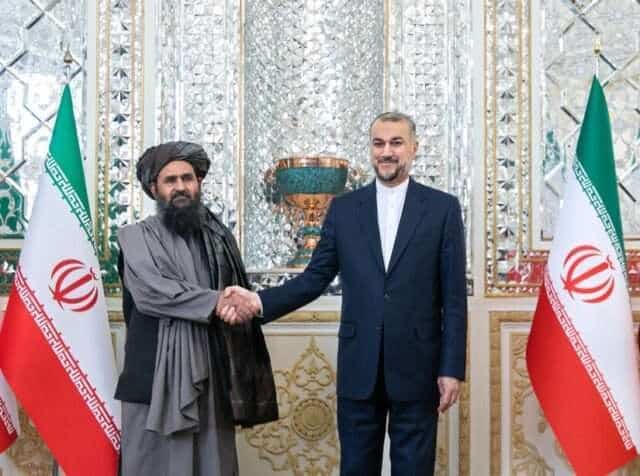
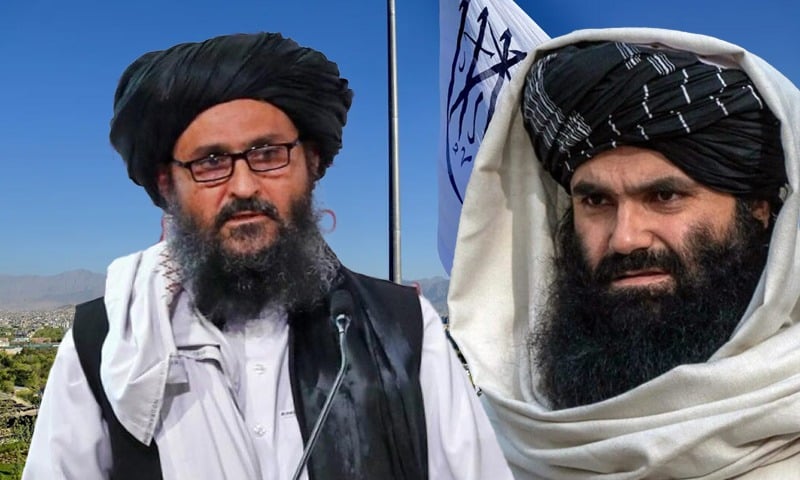
This places increasing diplomatic pressure on the Taliban administration.
Since assuming power in 2021, the Taliban have repeatedly pledged that Afghan territory would not be used to threaten neighboring countries. Those assurances formed a central component of their quest for international legitimacy. Yet the persistence of cross-border terrorism continues to generate doubts regarding either their willingness or their capacity to fulfil those commitments.
The implications extend far beyond Pakistan.
China has repeatedly voiced concerns over terrorist activity affecting regional connectivity and the security of its nationals. Central Asian states remain attentive to extremist movements operating near their borders. Western governments continue monitoring transnational terrorist organizations capable of exploiting Afghan territory.
In other words, terrorism originating from Afghanistan is no longer viewed as a bilateral dispute between Islamabad and Kabul. It has become a regional security challenge.
Whether this mounting international concern ultimately translates into coordinated diplomatic pressure remains uncertain. What is becoming increasingly clear, however, is that the strategic environment is changing.
Inside Pakistan, intelligence-led operations are steadily denying terrorists the operational freedom they once enjoyed. Across the border, questions surrounding terrorist sanctuaries are becoming more difficult for the Taliban to dismiss.
The lesson emerging from recent operations is straightforward.
Military success today is measured not only by the terrorists eliminated, but by the attacks that never occur, the suicide bombers who never reach their targets, the explosives that never detonate, and the innocent lives that are quietly saved because intelligence arrived before the terrorists did.
That is the real measure of Pakistan’s evolving counterterrorism strategy, and it is one that deserves sustained attention as the security landscape continues to evolve.