
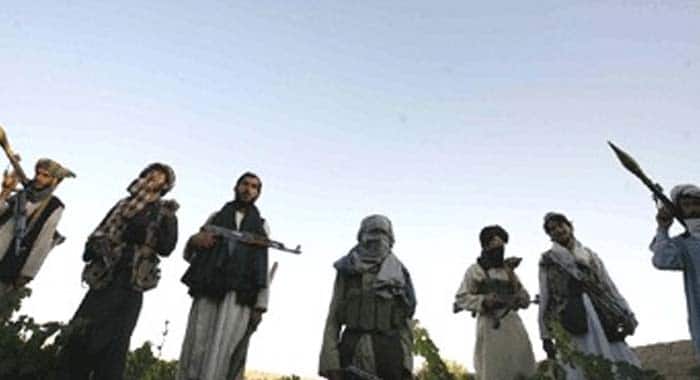
Pakistan’s long-running counter-terrorism operations have significantly disrupted militant infrastructures and degraded several organized networks across the country. However, security and policy analysts continue to observe the emergence and adaptation of new groups, underscoring a persistent and evolving challenge that extends beyond operational militancy into the ideological domain.
Experts emphasize that while tactical successes have weakened the command and operational capacity of various banned organizations, the underlying ideological frameworks that contribute to radicalization continue to reproduce themselves in different forms. This phenomenon is increasingly viewed as a central factor sustaining cycles of extremism despite sustained military and law enforcement efforts.
At the core of this ideological challenge, analysts identify recurring interpretative patterns that detach religious discourse from established scholarly traditions and redirect it toward politically charged narratives. Within these frameworks, political grievances are often reframed in theological terms, contributing to a worldview in which violence is legitimized through selective interpretation.
A key element frequently discussed in this context is the concept of Takfir—the act of declaring a Muslim to be outside the fold of faith. Historically, Islamic jurisprudence has treated Takfir as an extremely sensitive matter, governed by strict evidentiary standards and reserved for qualified scholars, with classical authorities repeatedly warning that wrongful application can lead to serious social fragmentation and unrest.
However, according to analysts, modern extremist organizations have systematically removed these traditional safeguards, transforming Takfir into a tool for ideological mobilization. In this adapted framework, political authorities may be declared illegitimate, state institutions delegitimized, and democratic systems portrayed as incompatible with religious belief. Over time, this progression can extend to the justification of violence against both state structures and civilians.
Security and research assessments indicate that organizations such as the Tehreek-e-Taliban Pakistan (TTP), Islamic State Khorasan Province (ISKP), and Al-Qaeda, despite operational and strategic differences, often draw upon overlapping ideological narratives that justify prolonged and cyclical conflict. These narratives are historically influenced by transnational militant thought currents, including the writings associated with Sayyid Qutb and subsequent interpretations within global jihadist discourse.
Analysts further note that regional developments, particularly the post-2021 situation in Afghanistan, have contributed to a more complex security environment. The evolving landscape has, in some assessments, facilitated ideological spillover and cross-border influence, creating conditions in which extremist narratives may circulate more freely across regions.
While military and law enforcement operations remain a central pillar of Pakistan’s counter-terrorism strategy, experts caution that kinetic measures alone are insufficient to permanently dismantle extremist ecosystems. Although such operations disrupt networks and prevent immediate threats, they do not necessarily address the underlying ideological structures that enable regeneration.
Policy observers therefore emphasize the need for a comprehensive, multi-layered approach that integrates security operations with sustained ideological counter-narratives. This includes engagement with credible religious scholarship, educational interventions, institutional resilience-building, and strategic communication efforts aimed at countering extremist interpretations.
Experts conclude that without addressing the ideological dimension of extremism alongside operational measures, the cycle of radicalization and network re-emergence is likely to persist. A long-term, coordinated strategy that targets both ideology and infrastructure is therefore considered essential for durable stability and national security.



