
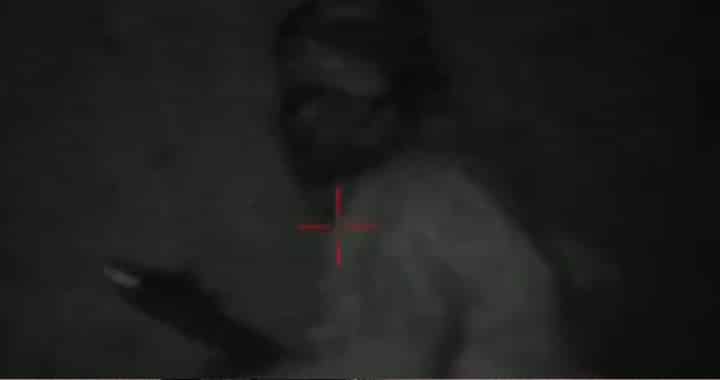
The Freedom and Justice Movement of Afghanistan (FJMA), an anti-Taliban resistance group, has claimed responsibility for an overnight guerrilla attack targeting Taliban forces in Parwan Province, highlighting the persistence of armed opposition activity in parts of Afghanistan.
In its statement, the Freedom and Justice Movement asserted that the operation resulted in casualties among Taliban forces. According to the group, one Taliban fighter was killed and another was wounded during the attack. The movement further claimed that its fighters successfully withdrew from the area without sustaining any casualties. The group also stated that no civilians were harmed during the operation, describing the attack as a targeted action against Taliban personnel.
Independent confirmation of the reported casualties remains unavailable.
The reported incident underscores the continued presence of anti-Taliban resistance activity in various parts of Afghanistan despite the Taliban’s consolidation of power following their return to government in 2021. While the Taliban maintain control over state institutions and most of the country’s territory, a number of opposition groups continue to claim responsibility for attacks against Taliban personnel and facilities. Security analysts note that many of these operations are typically characterized by small-scale guerrilla tactics, hit-and-run attacks, and localized resistance efforts aimed at challenging Taliban authority.
The Freedom and Justice Movement, led by Hamed Saifi, stated that it continues to receive support from local communities in several regions of Afghanistan. According to the group’s statement, many residents seek relief from ongoing security operations and restrictions imposed under Taliban rule. The movement claims that local backing has enabled resistance elements to maintain operational capabilities despite sustained pressure from Taliban security forces.
These assertions could not be independently verified. Observers note that competing narratives regarding public support remain a central feature of Afghanistan’s evolving political and security landscape, with both Taliban authorities and opposition groups claiming legitimacy and popular backing.
Security experts continue to monitor developments involving armed resistance groups, regional security dynamics, and internal political challenges facing Afghanistan. While large-scale conflict has significantly declined compared to previous decades, sporadic attacks, localized clashes, and resistance operations continue to be reported in several provinces. Analysts note that Afghanistan’s long-term stability will depend on a range of factors, including political inclusivity, governance, economic conditions, and the ability of authorities to address security concerns and public grievances.
The activities of anti-Taliban resistance movements remain closely watched by regional stakeholders and international observers seeking to assess Afghanistan’s security trajectory. Experts emphasize that continued instability or recurring clashes could have broader implications for regional security, humanitarian conditions, and efforts aimed at achieving lasting peace and stability in the country.
As competing political forces continue to shape Afghanistan’s future, incidents such as the reported attack in Parwan highlight the complex challenges facing the country’s security environment.
The Freedom and Justice Movement of Afghanistan’s claim of an overnight attack against Taliban forces in Parwan Province reflects the ongoing presence of armed opposition activity in parts of the country. While details surrounding the incident remain subject to independent verification, the reported operation underscores the continuing tensions between Taliban authorities and resistance groups operating in Afghanistan.



