
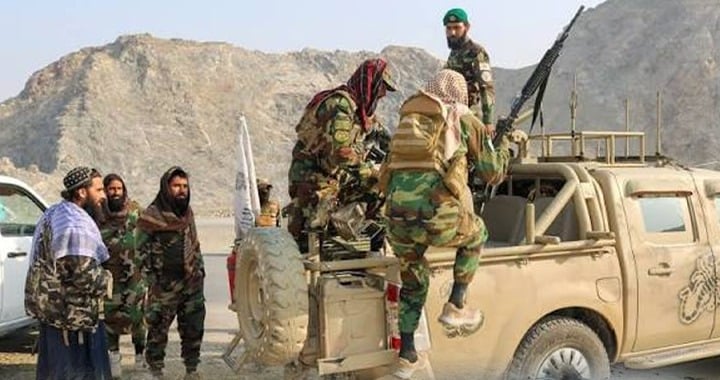
The National Independence Front of Afghanistan (NIFA) has announced the launch of what it describes as a coordinated operation targeting Taliban positions and installations at Nangarhar Airport, marking a potentially significant escalation in anti-Taliban armed activity in eastern Afghanistan.
In a statement circulated through affiliated channels, the group claimed its fighters carried out strikes against key Taliban facilities, including alleged command and operational centers located within or near the airport complex. According to the organization, the operation resulted in casualties among Taliban personnel and caused disruptions to ongoing activities at the strategic site.
The resistance group further stated that the operation was part of a broader campaign aimed at challenging Taliban control in sensitive areas and increasing operational pressure on Taliban security infrastructure across Afghanistan.
However, independent verification of the claims remains unavailable, and no official casualty figures have been confirmed through neutral or third-party sources. The Taliban administration has not yet issued an official response regarding the reported incident or the allegations made by the National Independence Front.
Nangarhar Airport, located in eastern Afghanistan near the border region, holds strategic importance due to its logistical, security, and transportation role within the province. Any reported attack or operational disruption involving the facility is likely to attract heightened attention from regional observers monitoring Afghanistan’s evolving internal security dynamics.
Security analysts note that anti-Taliban resistance groups have periodically attempted to demonstrate operational capability through targeted attacks, propaganda campaigns, and symbolic strikes against Taliban-controlled installations. However, the Taliban continue to maintain firm territorial control across most parts of the country despite sporadic insurgent activity.
The latest claims emerge amid growing concerns over Afghanistan’s broader security environment, including the presence of armed factions, extremist organizations, and emerging resistance movements operating in different regions of the country.
Regional observers warn that continued clashes between Taliban forces and armed opposition groups could contribute to further instability at a time when Afghanistan is already facing severe economic hardship, political isolation, and increasing international scrutiny over security and governance issues.
While details surrounding the alleged operation remain limited, analysts believe the incident underscores the persistence of underground resistance activity and the fragile nature of Afghanistan’s post-2021 security landscape.
Authorities and independent monitors have yet to release additional information regarding the scale of the reported attack, the extent of any damage, or the operational status of Nangarhar Airport following the incident.



